

There’s still a surprising amount of confusion around one very simple question. What exactly do solar panels do? We’ve heard everything from, “Do they heat the radiators?” to “Are they just for hot water?” or even “Sure, we don’t get enough sun here anyway.”
Fair questions. As despite how common solar panels are becoming across Ireland, many homeowners aren’t entirely sure how they actually power a house.
So let’s strip it back and explain it properly, without the jargon.
Solar Panels Generate Electricity — Not Heat
First things first. Solar PV (photovoltaic) panels generate electricity, not heat.
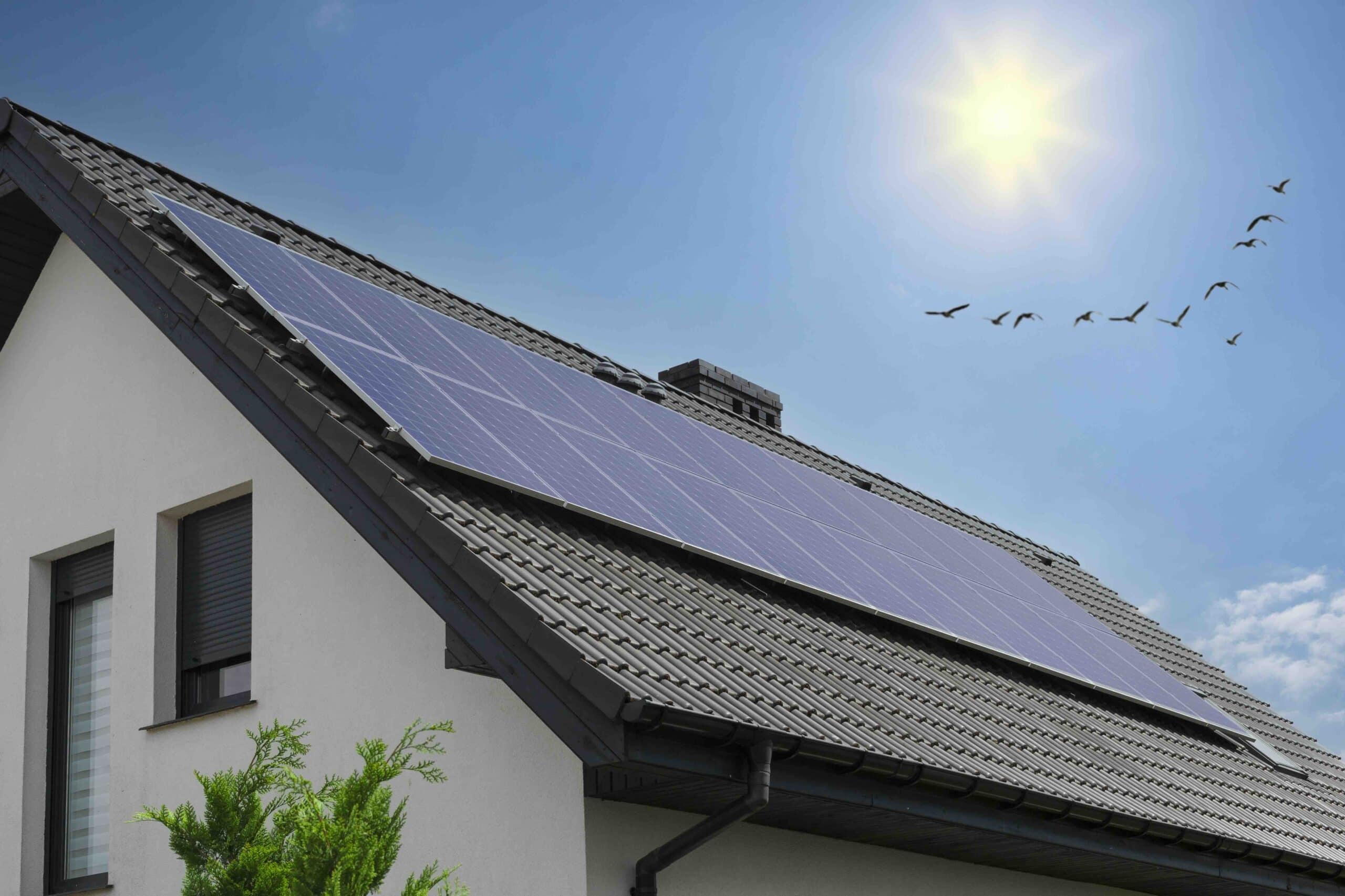
They convert daylight – not just direct sunshine – into usable electrical energy. That electricity can then power electrical devices throughout your home. They don’t directly heat radiators, but produce electricity that your home uses in real time.
But This Is Ireland — What About The Miserable Weather?
This is probably the biggest myth.
Solar panels don’t need blazing Mediterranean sunshine to work. They generate electricity from daylight, and Ireland has long summer days and strong daylight hours even when it’s overcast.
In fact, solar panels perform very efficiently in cooler climates. Excessive heat can actually reduce performance slightly – so Irish conditions are far from a disadvantage.
At Activ8 Solar Energies, systems are designed specifically for Irish weather patterns and usage habits. It’s not about chasing sunshine – it’s about designing correctly for the conditions we actually live in.
How Does the Electricity Flow Through the House?
Here’s how it works in simple terms:
- Panels on your roof generate DC electricity.
- An inverter converts it to AC electricity (the type your home uses).
- Your home uses that electricity first.
- If there’s surplus, it can either:
- Go back to the grid (and you receive an export payment), or
- Be stored in a battery (if installed).
So during the day, your house runs on solar power first. The grid only supplies what your panels don’t cover.
It’s not complicated once you see it laid out – but it is often misunderstood.
What Happens to Excess Solar Electricity?
This is where things have improved significantly in Ireland.
Through the microgeneration export scheme, homeowners now receive payment for surplus electricity exported back to the grid. With competitive export rates available, unused solar energy has real value.
For example, from 1st September 2025, new Activ8 Solar Energies customers installed on or after that date who switch to SSE Airtricity can access Ireland’s best export rate of 32c per kWh for surplus electricity exported to the grid.
This premium export incentive is designed to help homeowners get more value from the electricity they generate but don’t immediately use.
That changes the economics considerably compared to a few years ago.
It also means solar panels aren’t just about daytime usage – they’re about overall annual production.
Is Solar Electricity Enough to Run a Whole House?
That depends on the size of the system and the home’s electricity demand.
Some households offset a large portion of their usage while others offset a meaningful percentage. The key is correct system sizing.
What really matters is matching the panel output to the household’s actual consumption, making efficient use of the available roof space, and designing the system around how the home truly uses electricity.
That’s why at Activ8 Solar Energies, system design always starts with usage patterns – not guesswork.
Do Solar Panels Work in Older Irish Homes?
Absolutely. Many Irish homes built in the 70s, 80s and 90s are ideal candidates. Roof structure, orientation and available space matter more than the age of the house itself.
South-facing roofs are optimal, but east–west systems also perform very well. Even homes that aren’t “perfectly positioned” often generate strong returns when designed correctly.
What Solar Panels Don’t Do
It’s just as important to be clear about this. Solar panels don’t necessarily completely eliminate your electricity bill or replace proper insulation. They also don’t directly heat your water or radiators, and they won’t work at night unless you have a battery.
They’re one part of a wider energy picture.
When combined with insulation, heat pumps and smart planning – often through an SEAI-approved One Stop Shop – they become far more powerful.
Why More Irish Homeowners Are Acting Now
Between strong SEAI solar grants, competitive export payments, rising electricity costs, and improved system efficiency, more homeowners are choosing to generate their own electricity instead of relying entirely on the grid.
The conversation has shifted from “Do solar panels work in Ireland?” to “How much of our electricity could we produce ourselves?”
Thinking About Solar Panels for Electricity?
If you’re researching solar electricity in Ireland, the most important step isn’t guessing – it’s getting your home assessed properly.
Activ8 Solar Energies has delivered over 25,000 energy upgrades nationwide, designing systems specifically for Irish homes and usage patterns.
We look at your roof, your electricity demand, the SEAI supports available, and the long-term performance of the system – no hype or false promises, just clear information to help you decide what makes sense for your home.
Once you understand how solar panels actually power a house, the whole idea becomes much clearer and a lot more practical.