
Activ8 Solar Energies Blog

All the latest solar related news in Ireland and around the world

Latest News

Featured News

Our News & Blog

All News & Blogs

All the latest solar related news in Ireland and around the world

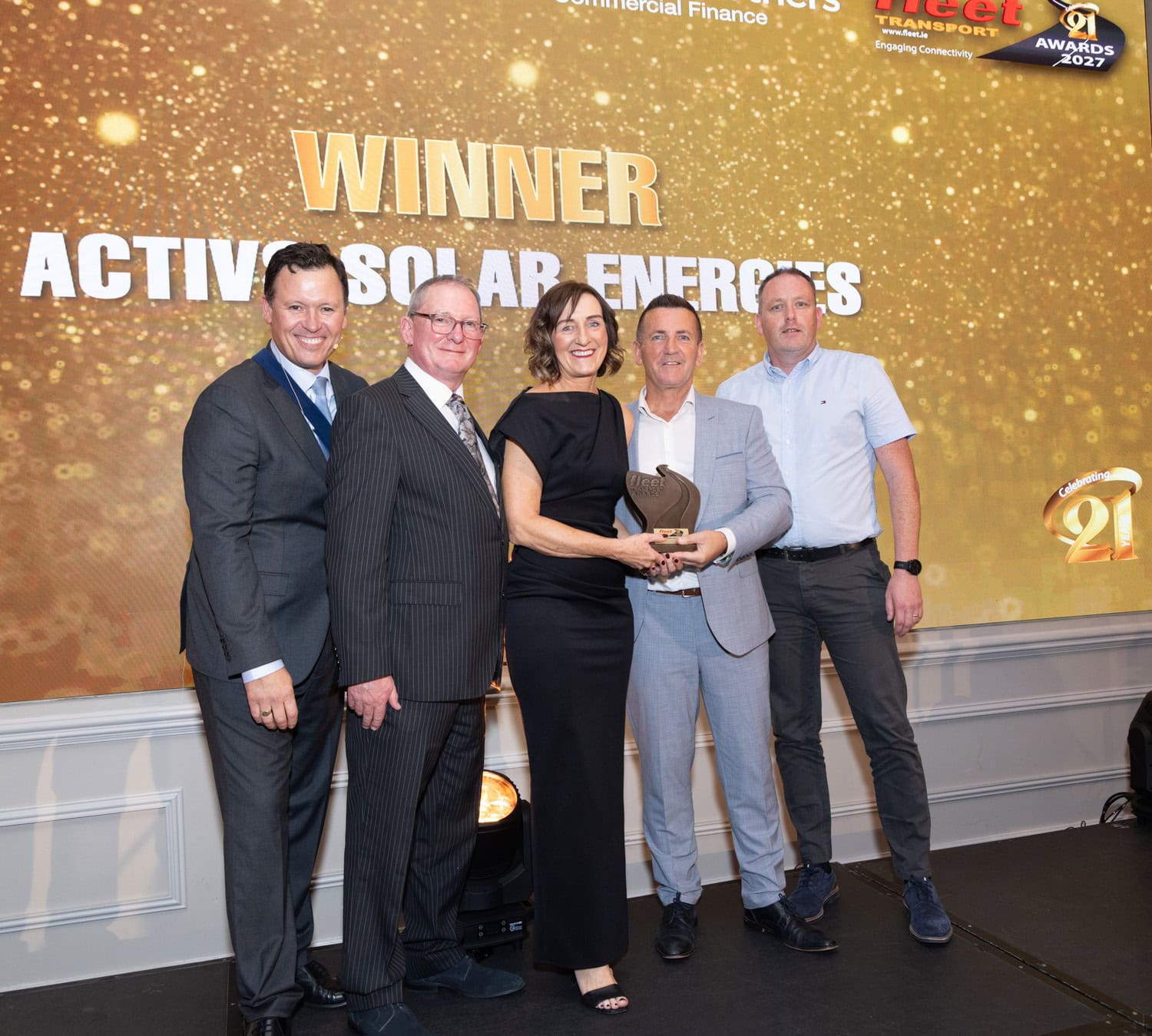
Activ8 Solar Energies is delighted to announce that we have been awarded the Livery Award Vans 2027 at the prestigious Fleet Transport Awards 2027, held at the Johnstown Estate Hotel, Co. Meath.

The award recognises organisations that use vehicle branding to create a strong and professional corporate image while supporting wider business objectives. Judges assess not only the design and effectiveness of the livery itself, but also vehicle presentation, consistency, and the role the fleet plays in enhancing customer experience and brand recognition.

As one of Ireland’s leading renewable energy companies, Activ8 Solar Energies has earned national recognition for innovation, sustainability and customer excellence. Over the past 18 months, the company’s achievements have been recognised at the Green Awards, All-Ireland Sustainability Awards, Business Energy Achievement Awards, Climate Change Leadership Awards, Health & Safety Excellence Awards, and the Guaranteed Irish Business Awards, as well as through Deloitte Best Managed Company status. These accolades reflect Activ8’s leadership across renewable energy, sustainability, business performance, customer experience and operational excellence.

As Activ8 continued to grow, it also strengthened its governance structures through the appointment of an Independent Non-Executive Director. Bringing valuable external insight and strategic oversight to the board, the role has enhanced decision-making and accountability, helping position the business for its next phase of sustainable growth and long-term success.

A Fleet That Represents the Activ8 Brand

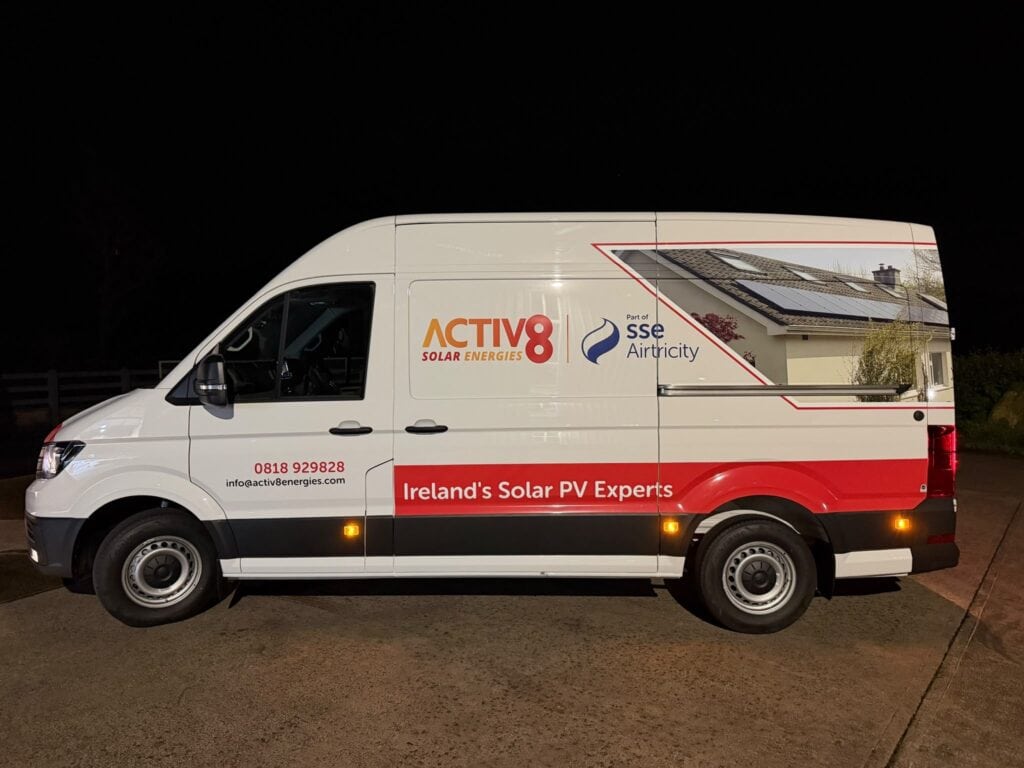
At Activ8 Solar Energies, our vehicles are more than a means of transport. Travelling through towns, cities, and communities across Ireland every day, they serve as a visible representation of our brand and our commitment to quality, professionalism, and customer service.

Our fleet includes a range of Citroën Berlingo, Volkswagen Crafter, and Ford Transit vehicles, all carrying a consistent and professionally designed Activ8 livery. The clean, modern branding ensures our teams are easily recognisable when arriving at customer homes and businesses, while reinforcing the trust and reliability that customers associate with the Activ8 name.

Supporting Growth and Brand Recognition

As Activ8 has expanded its national footprint and evolved into a full-service SEAI One Stop Shop, maintaining a consistent customer experience has become increasingly important. Our fleet branding plays a key role in achieving this, helping to create a strong and recognisable presence wherever our teams operate.

Every vehicle acts as a mobile ambassador for the business, increasing brand visibility, supporting customer acquisition, and building familiarity within local communities. The fleet also helps reinforce Activ8’s position as one of Ireland’s leading renewable energy providers, while promoting awareness of solar energy and sustainable living across the country.
Enhancing the Customer Experience

For many customers, one of their first interactions with Activ8 is seeing one of our branded vehicles in their area or arriving at their property. A professional and well-maintained fleet helps build confidence from the outset, creating a positive impression before work even begins.

The consistency of our vehicle branding reflects the same attention to detail that customers experience throughout their solar journey, from initial consultation through to installation and aftercare. This alignment between brand image and customer experience was a key element of our award submission.

A Proud Achievement for the Activ8 Team

Winning the Livery Award Vans 2027 is a fantastic achievement and recognition of the effort that goes into maintaining a professional, consistent, and highly visible fleet across Ireland.

The award reflects Activ8’s commitment to excellence in every aspect of the business and highlights the importance of strong branding in supporting our mission to accelerate Ireland’s transition to renewable energy.

We would like to thank the Fleet Transport Awards judges for this recognition and congratulate all of the finalists and winners celebrated on the night.

As Activ8 continues to grow, our fleet will remain an important part of our brand, helping us connect with customers, raise awareness of renewable energy, and deliver a professional experience in communities throughout Ireland.

Make an Enquiry
October 16, 2026

It’s almost time for another busy weekend at the RDS.

The PTSB Ideal Home Show returns to Simmonscourt, Dublin, from Friday 16th to Sunday 18th October 2026, bringing together everything from kitchens and interiors to home improvements, renewable energy and the latest technology for Irish homes.

And Activ8 Solar Energies will be there alongside SSE Airtricity at Stand S30.

If you’ve been thinking about installing solar panels, wondering whether battery storage is worthwhile or simply looking for ways to reduce your electricity bills, we’d love you to drop in for a chat.

Thinking About Solar Panels for Your Home? 

One of the great things about the Ideal Home Show is the opportunity to speak directly to people who know their subject.

You might have been considering solar panels for a while but still have questions.

Is my roof suitable?

How many solar panels would I need?

How much electricity could I generate?

Would a solar battery make sense for my home?

What grants are currently available?

Or perhaps you’ve been looking at your electricity bills lately and wondering whether there’s a better way to manage your household energy costs.

The Activ8 team will be at Stand S30 throughout the weekend, alongside SSE Airtricity, to help homeowners understand their options.

And you don’t need to have made any decisions beforehand. A conversation about your home, electricity usage and future plans is often the best place to start.

20 Years of Powering Irish Homes With Solar 

The 2026 Ideal Home Show comes during a milestone year for Activ8 Solar Energies.

We’re celebrating 20 years in business, having completed more than 25,000 solar installations across Ireland.

During that time, solar panels have become an increasingly familiar sight on Irish rooftops, while developments in battery storage and home energy technology have given homeowners more options than ever before.

But every home is different. A solar system that works well for one household won’t necessarily be the right choice for another. Roof orientation, available space, shading, electricity consumption and future plans can all influence the most suitable installation.

That’s why we’re always happy to have a proper conversation about what might work for your home.

What Solar Grants Are Available in Ireland? 

Grants are understandably one of the first things homeowners ask about when considering solar panels.

Eligible Irish homeowners can currently receive an SEAI Solar PV Grant of up to €1,800 towards the cost of installing solar panels.

There’s also a new €600 grant for qualifying home battery storage, introduced in October 2026, which could be relevant whether you’re installing solar for the first time or already have panels on your roof.

If you’re unsure what support might be available for your property, the Activ8 team can talk you through the current grants and eligibility requirements at the show.

Frequently Asked Questions About Activ8 at the Ideal Home Show 2026 

When is the Ideal Home Show 2026? 

The PTSB Ideal Home Show takes place from Friday 16th to Sunday 18th October 2026 at RDS Simmonscourt in Dublin.

Where can I find Activ8 Solar Energies at the Ideal Home Show? 

Activ8 Solar Energies will be exhibiting alongside SSE Airtricity at Stand S30 throughout the weekend.

How much is the battery grant? 

The new grant provides a flat €600 towards qualifying home battery storage.

Can I talk to Activ8 about solar panels and battery storage? 

Yes. Our team will be available to answer questions about solar panels, battery storage, home suitability, electricity savings and SEAI grants.

What solar grants are available in Ireland in 2026? 

Eligible homeowners can receive up to €1,800 through the SEAI Solar PV Grant, while a separate €600 grant is available for qualifying battery storage installations.

Come and Say Hello at Stand S30 

Whether you’re actively planning a solar installation or just beginning to explore your options, we’d be delighted to see you.

Bring your questions, tell us a little about your home and we’ll help you understand what solar could mean for your household.

We’ll see you at Stand S30, alongside SSE Airtricity, at the Ideal Home Show!

Make an Enquiry

October 15, 2026

For many homeowners, solar panels have always been an attractive option. The challenge, for most, has been the upfront cost. 

That’s beginning to change. Homeowners receiving certain qualifying social welfare payments may now be eligible for an enhanced solar grant worth up to €9,000, helping to significantly reduce the cost of installing solar panels and battery storage. The scheme is administered by the Sustainable Energy Authority of Ireland (SEAI) and is designed to help more households access renewable energy solutions. 

If you’ve considered solar in the past but thought it was beyond your budget, this enhanced support could make the move far more achievable. 

What Does the Grant Cover? 

Eligible homeowners can receive funding towards: 

  • Solar PV systems up to 4kWp. 
  • Battery storage systems up to 5kWh. 
  • Combined grant funding of up to €9,000. 

The enhanced grant is designed to reduce the upfront investment required to install a solar energy system and battery storage in your home.

Who Can Qualify? 

The enhanced grant is available to homeowners receiving certain qualifying payments from the Department of Social Protection, including: 

  • Fuel Allowance. 
  • Working Family Payment. 
  • One-Parent Family Payment. 
  • Domiciliary Care Allowance. 
  • Carer’s Allowance (where the applicant lives with the person they care for). 
  • Disability Allowance for more than six months and with a child under seven years of age. 
  • Jobseeker’s Allowance for more than six months and with a child under seven years of age. 

Before You Apply 

There are a few important requirements to be aware of before proceeding: 

  • You must own the property where the solar system will be installed. 
  • Your home must meet the eligibility criteria set out under the scheme. 
  • The grant can support both solar panels and battery storage. 
  • Grant approval must be secured before any installation work begins. 

This final point is especially important. If installation work starts before grant approval is received, the project may not qualify for funding. 

How Can Activ8 Help? 

Navigating grants, eligibility requirements and solar system options can feel overwhelming. That’s where the team at Activ8 Solar Energies can help. 

Our team can: 

  • Discuss your eligibility for available solar grants. 
  • Assess your property’s suitability for solar. 
  • Design a system tailored to your home’s energy needs. 
  • Guide you through the grant application process. 
  • Install your solar PV and battery storage system once approval has been received. 

From your initial enquiry right through to installation, we’ll help make the process as straightforward as possible. 

Is Now the Right Time to Explore Solar? 

With grant funding of up to €9,000 available to qualifying homeowners, there has rarely been a better opportunity to investigate solar energy for your home. 

If you’re receiving a qualifying social welfare payment and would like to learn more about your options, the Activ8 Solar Energies team can help you understand what’s available and guide you through the process from start to finish. 

Frequently Asked Questions 

Can I apply if I already have solar panels installed? 

No. The grant application must be approved before installation begins. Existing installations are not eligible for this funding. 

Do I need to own my home? 

Yes. The enhanced grant is available to qualifying homeowners who meet the scheme requirements. 

Does the grant include battery storage? 

Yes. Funding can be provided towards eligible battery storage systems as part of the enhanced grant. 

How much funding is available? 

Eligible applicants may receive up to €9,000 towards a qualifying solar PV and battery storage installation. 

How do I get started? 

The easiest way is to speak with the team at Activ8 Solar Energies. We can discuss your eligibility, explain the options available and guide you through the next steps. 

Ready to Find Out If You Qualify? 

Contact Activ8 Solar Energies today to discuss your eligibility, explore your solar options and learn how much grant funding may be available towards your installation. 

Make an Enquiry

October 13, 2026

Up to €325,200 for Commercial Solar PV

The latest Budget 2027 announcement brings significant news for Irish businesses considering solar energy. The SEAI’s enhanced Non-Domestic Microgen Grant now provides an effective 45% grant towards eligible commercial solar PV projects, with funding of up to €325,200 available.

The enhanced support applies to solar PV systems up to 1,000kWp and provides businesses with a major opportunity to reduce the upfront cost of installing solar while lowering their ongoing electricity costs.

How much commercial solar funding is available?

The enhanced SEAI grant provides different levels of support depending on the size of your solar PV system:

  • 20kWp: up to €13,200
  • 200kWp: up to €85,200
  • 500kWp: up to €175,200
  • 1,000kWp: up to €325,200

The final grant payment is the lower of the applicable grant amount or 45% of the eligible invoiced cost.

Who can benefit?

The scheme is designed to support non-domestic organisations, including businesses, agricultural businesses, public sector organisations, schools and community organisations.

For businesses with significant daytime electricity consumption, commercial solar PV can help reduce reliance on grid electricity and lower annual energy costs.

Why act now?

The enhanced grant is a limited-time opportunity. New applications qualify for the increased support, with the application window running until 6 July 2027.

Businesses should also be aware that projects must follow the SEAI application process and work should not begin before the grant offer is received.

How Activ8 can help

At Activ8 Solar Energies, we can assess your site, design a commercial solar PV system around your energy requirements and support you through the SEAI grant process.

With the enhanced support now available, there has never been a better time to explore what commercial solar could do for your business.

Get in touch with Activ8 Solar Energies to discuss your commercial solar PV project.

Make an Enquiry

October 7, 2026

Irish homeowners considering solar panels, battery storage and wider home-energy upgrades now have a much clearer picture of the supports available following Budget 2027.

A series of major changes to SEAI home-energy grants have been approved by Government, including a new €600 home battery grant, wider Solar PV Grant eligibility for newer homes and enhanced solar and battery supports for qualifying lower-income households.

The existing Solar PV Grant also remains available, providing eligible homeowners with up to €1,800 towards a solar panel installation.

So, what has actually changed – and what could the new supports mean for your home?

What Solar Panel Grants Are Available in Ireland Now?

The SEAI Solar PV Grant provides up to €1,800 towards an eligible solar panel installation.

The grant provides €700 per kWp up to 2kWp and €200 for each additional kWp up to 4kWp, giving a maximum grant of €1,800.

One important change is the age of homes that can qualify.

Eligibility for the Solar PV Grant has now been extended to homes built and occupied before 2025, opening the scheme to many newer homeowners who previously couldn’t qualify.

Is There a New €600 Solar Battery Grant in Ireland?

Yes. SEAI has introduced a new flat-rate €600 grant towards eligible home battery storage systems.

To qualify, the battery must have a capacity of 5kWh or larger. Batteries below 5kWh are not eligible for the grant.

If you’re installing both Solar PV and a battery, you can apply for both grants through a single application.

That means an eligible homeowner installing both could potentially access up to €2,400 in combined standard grant support: up to €1,800 for Solar PV and €600 for qualifying battery storage.

Can I Get the €600 Battery Grant If I Already Have Solar Panels?

Yes, subject to the eligibility requirements.

This is one of the most significant elements of the new scheme for existing solar homeowners.

If you already have Solar PV and want to add eligible battery storage, you can apply separately for the €600 battery grant.

If you already have an existing Solar PV grant application, SEAI says you don’t need to amend it. You can submit a separate application for the battery grant.

However, you must receive your Grant Offer before installation work begins.

Your property must also have been built and occupied before 2025, and you cannot claim the grant if the property has previously received grant funding for a battery at the same MPRN.

Could Newer Homes Get the Solar PV Grant?

Yes. This is another major change.

Previously, the Solar PV Grant required a home to have been built and occupied before 2021.

Eligibility has now been extended to houses built and occupied before 2025.

That means many homeowners who previously investigated solar panels only to discover their property was too new to qualify may now be eligible for grant support.

The maximum standard Solar PV Grant remains €1,800.

How Much Could Be Available for Solar Panels and a Battery?

For a standard eligible household, the maximum Solar PV Grant is €1,800.

The new battery grant provides a further €600 towards a qualifying battery of 5kWh or larger.

That means an eligible homeowner installing both could potentially receive up to €2,400 in combined grant support.

If you’re installing both at the same time, SEAI allows you to apply for the Solar PV and battery grants through a single application.

Why Has a Solar Battery Grant Been Introduced?

Home solar is increasingly about more than simply generating electricity.

Battery storage allows households to keep surplus electricity generated during the day and potentially use it later when electricity demand is higher.

A battery may also allow households on suitable electricity tariffs to store cheaper off-peak grid electricity for use at more expensive times.

Government analysis reported ahead of the Budget estimates that households installing battery storage alongside a 4kWp Solar PV system could potentially achieve annual savings of up to €900. Actual savings would depend on the individual household, electricity consumption, tariffs, solar generation and how the system is used.

Are There Bigger Solar and Battery Grants for Lower-Income Households?

Yes. Alongside the standard Solar PV and battery grants, significantly higher support is being made available to qualifying homeowners receiving certain Department of Social Protection payments.

Eligible households can access up to €9,000 towards a Solar PV and battery system.

SEAI says qualifying payments include the Fuel Allowance, Working Family Payment, One-Parent Family Payment and certain Jobseeker’s, Carer’s and Disability payments.

There is also fully funded Solar PV and battery support available through the Warmer Homes Scheme for qualifying households.

These enhanced supports have separate eligibility requirements from the standard €1,800 Solar PV and €600 battery grants.

Can Tenants Get Solar Panel Grants?

There is also new support aimed at some households living in long-term rental accommodation.

A pilot programme is being introduced through the existing Rental Accommodation Scheme (RAS) in Dublin, offering grants of up to €9,000 for Solar PV of up to 4kWp together with a 5kWh battery.

This is not the same as making the standard Solar PV Grant available to every private tenant in Ireland.

Eligibility and property requirements apply under the pilot, so tenants and landlords should check the relevant scheme conditions before planning an installation.

The new energy measures also include enhanced support for attic and cavity-wall insulation in qualifying HAP and RAS properties.

What Other Home Energy Grants Have Changed?

Solar panels and battery storage aren’t the only home-energy measures included in the latest package.

A new €2,000 boiler scrappage grant has also been introduced for qualifying households moving away from fossil-fuel and other eligible older heating systems towards a heat pump.

SEAI now lists a maximum Heat Pump System grant of up to €14,500 for eligible houses.

That can include up to €10,500 towards the Heat Pump System, up to €2,000 towards required central-heating upgrades such as new radiators or underfloor heating, and a €2,000 Boiler Scrappage Grant where an eligible existing heating system is being removed.

The precise amount available depends on the property, heating system and works required.

Frequently Asked Questions About Solar Grants in Ireland in 2027

How much is the solar panel grant in Ireland now?

The maximum standard SEAI Solar PV Grant is €1,800. The amount received depends on the size of the qualifying Solar PV system.

Is there now a €600 solar battery grant in Ireland?

Yes. SEAI now provides a flat-rate €600 grant towards eligible home battery storage systems of 5kWh or larger.

Can I get the battery grant if I already have solar panels?

Yes, subject to the eligibility requirements. Existing solar homeowners can apply separately for the battery grant. Work must not begin before you receive the SEAI Grant Offer.

Can I get both the Solar PV Grant and battery grant?

Yes. If you’re installing both Solar PV and a qualifying battery, you can apply for both grants through a single application.

Could I get €2,400 towards solar panels and a battery?

Yes, if you meet the eligibility requirements for both grants. The standard Solar PV Grant provides up to €1,800 and the battery grant provides €600, giving potential combined support of up to €2,400.

Can newer homes get the SEAI Solar PV Grant?

Yes. Eligibility has been extended to homes built and occupied before 2025. Previously, the cut-off was before 2021.

How much is the boiler scrappage grant in Ireland?

The new Boiler Scrappage Grant provides €2,000 for eligible households removing a qualifying existing heating system as part of a move to a heat pump.

How much can I get towards a heat pump?

SEAI now lists a maximum Heat Pump System grant of up to €14,500 for eligible houses. This can include the heat-pump grant, central-heating upgrade support and the €2,000 Boiler Scrappage Grant.

Can lower-income households get more towards solar panels and a battery?

Yes. Qualifying households receiving certain Department of Social Protection payments can access enhanced support of up to €9,000 towards Solar PV and battery storage. Fully funded support is also available to eligible households through the Warmer Homes Scheme.

Thinking About Solar Panels or Battery Storage?

The latest changes significantly widen the home-energy supports available to Irish households.

Eligible homeowners can access up to €1,800 towards Solar PV, while the new €600 battery grant can bring standard combined support for Solar PV and qualifying battery storage to as much as €2,400.

Newer homes can now qualify, existing solar homeowners can apply for battery support, and enhanced grants are available to qualifying lower-income households.

With 20 years in business and more than 25,000 installations completed across Ireland, Activ8 Solar Energies can assess your home, electricity consumption and future energy requirements and recommend a solar and battery system designed around how you actually use electricity.

Make an Enquiry

October 6, 2026

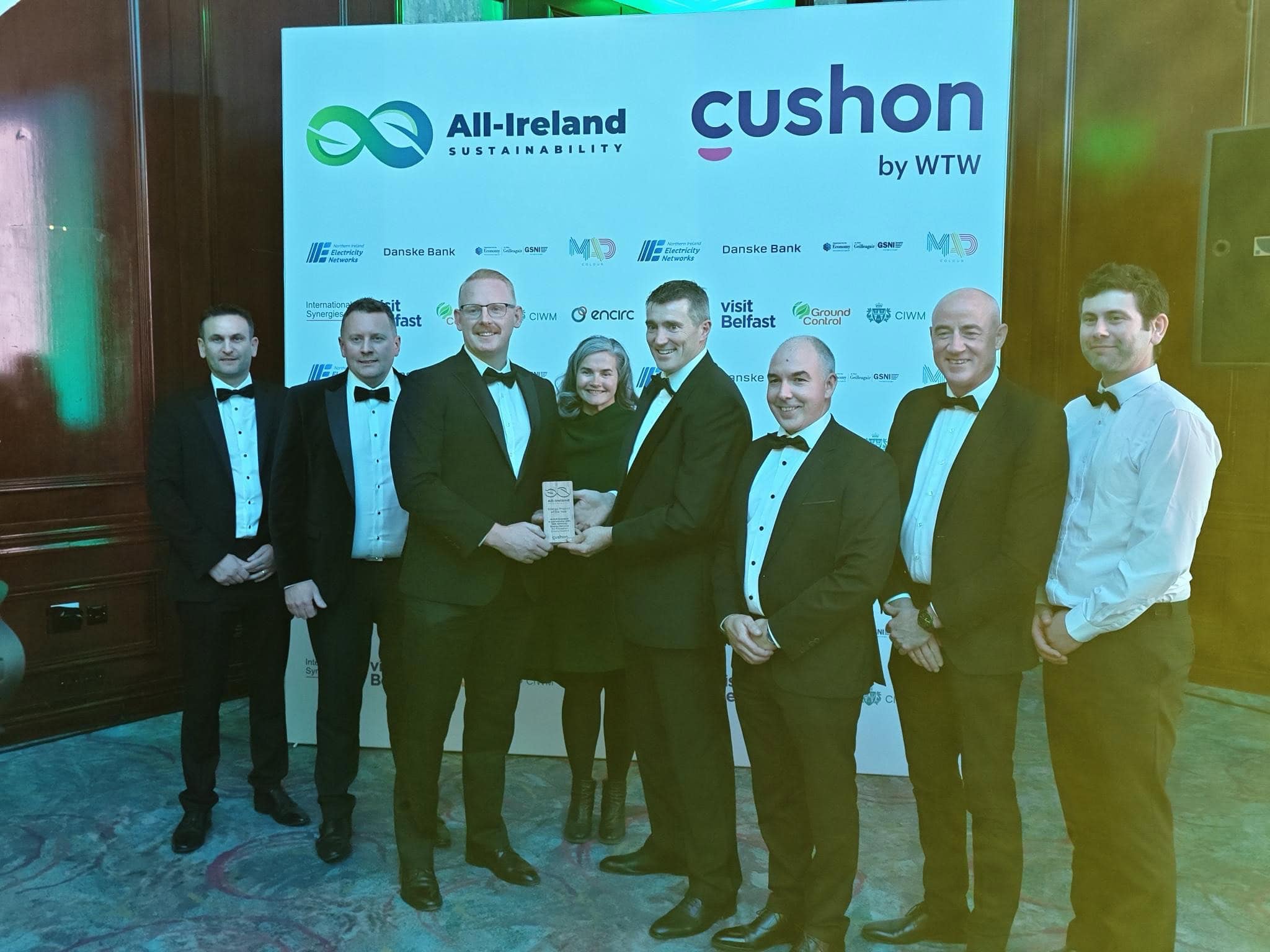
We’re proud to announce that Activ8 Energies, in partnership with SSE Airtricity Energy Services and Monaghan County Council, has won Energy Project of the Year at the All-Ireland Sustainability Awards for the Monaghan Area Based Retrofit Initiative (MABRI).

The award recognises ambitious energy projects demonstrating impact, innovation, best practice, alignment with the UN Sustainable Development Goals, and a strong commitment to sustainable energy solutions.

As one of Ireland’s leading renewable energy companies, Activ8 Solar Energies has earned national recognition for innovation, sustainability and customer excellence. Over the past 18 months, the company’s achievements have been recognised at the Green Awards, All-Ireland Sustainability Awards, Business Energy Achievement Awards, Climate Change Leadership Awards, Health & Safety Excellence Awards, and the Guaranteed Irish Business Awards, as well as through Deloitte Best Managed Company status. These accolades reflect Activ8’s leadership across renewable energy, sustainability, business performance, customer experience and operational excellence.

As Activ8 continued to grow, it also strengthened its governance structures through the appointment of an Independent Non-Executive Director. Bringing valuable external insight and strategic oversight to the board, the role has enhanced decision-making and accountability, helping position the business for its next phase of sustainable growth and long-term success.

Transforming homes. Reducing carbon. Building communities.

MABRI is a pioneering area-based retrofit programme combining deep energy upgrades, renewable technologies and community engagement to accelerate residential decarbonisation in Monaghan.

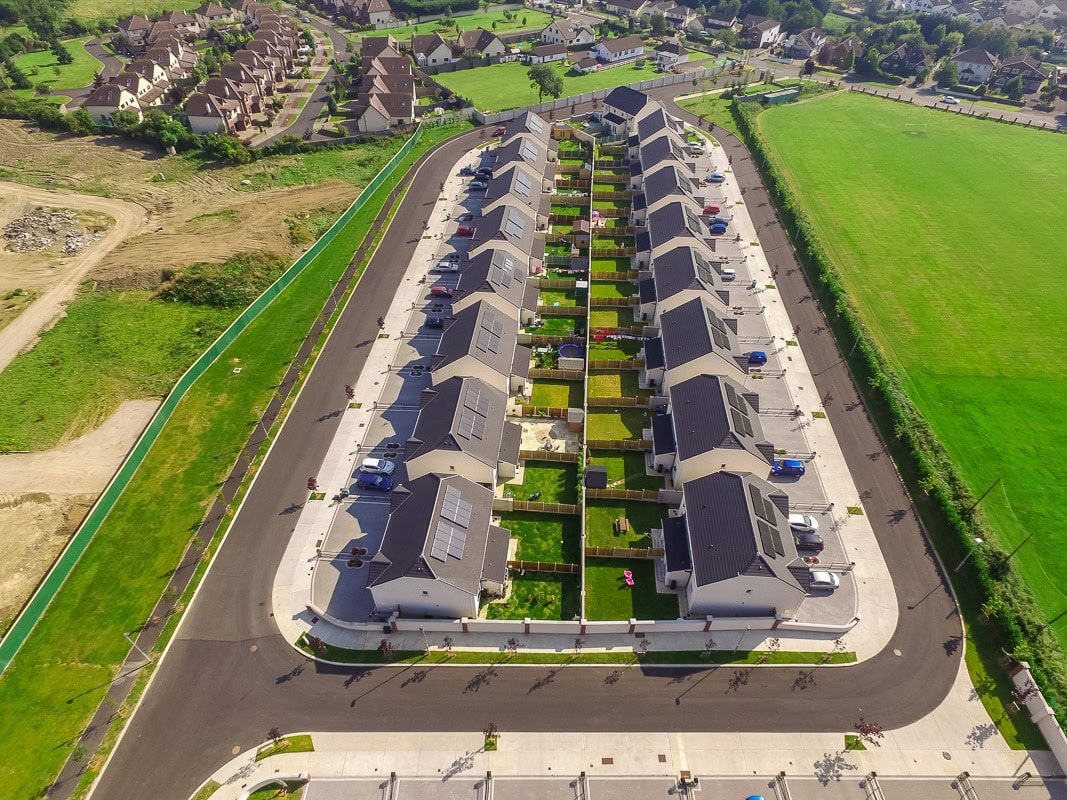
Phase 1 delivered whole-house upgrades to 48 Local Authority homes and five neighbouring private homes, incorporating air-source heat pumps, solar PV, external wall insulation, high-performance windows and doors, ventilation improvements and enhanced building fabric.

https://youtu.be/H9IDURwv3sI

Across the wider region, a further 115 solar PV installations are generating approximately 645,000 kWh of clean electricity annually, avoiding more than 105 tonnes of CO₂ emissions every year.

The project stood out for its measurable environmental impact, innovative area-based approach, community focus and potential to be replicated by Local Authorities across Ireland.

This award is recognition of what can be achieved through strong partnerships, innovative thinking and a shared commitment to a more sustainable energy future.

Congratulations to everyone involved in making MABRI a success.

October 2, 2026

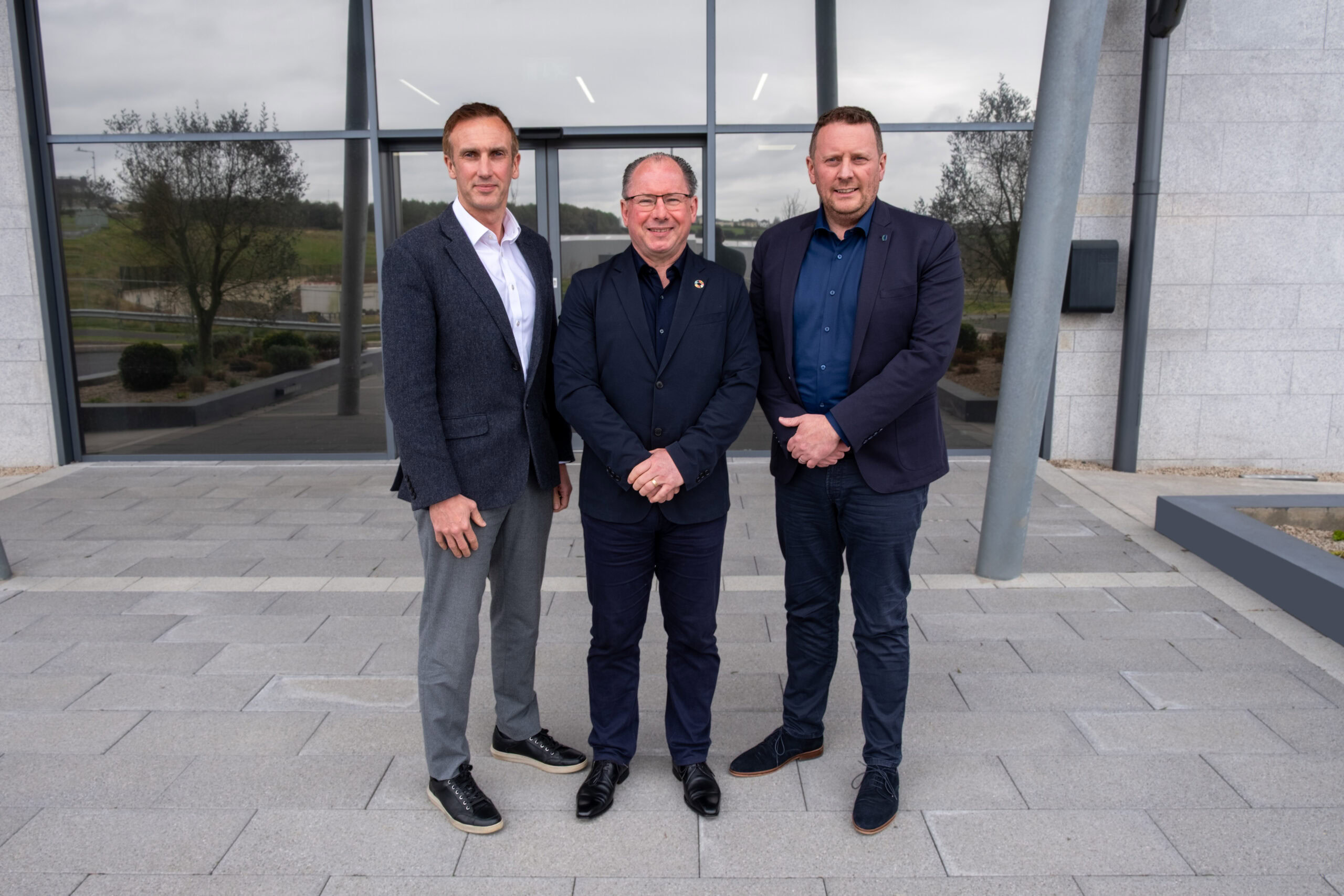
L-R Stephen Gallagher – MD SSE Airtricity, Barry Gavin – Activ8, Ciaran Marron – CEO, Activ8

The solar energy solutions provider aims to strengthen its board with Gavin’s senior sustainable finance and clean energy infrastructure expertise 

Activ8 Solar Energies, Ireland’s leading solar provider, has appointed Barry Gavin as an Independent Non-Executive Director and Chairperson of the company’s board. 

Barry brings over 25 years’ experience in sustainable finance and clean energy infrastructure, spanning C-suite executive, Chair and non-executive board roles with organisations including Gaelectric, CODEMA, An Post and FuturEnergy Ireland. He has extensive experience in corporate governance, strategy and investment, alongside sector expertise spanning the primary emitting sectors: power, heating/cooling, and transport, with experience across residential, commercial and industrial markets. This gives him a broad, cross-sectoral perspective on the challenges and opportunities associated with the energy transition. Barry is also an Adjunct Lecturer at UCD Michael Smurfit Graduate Business School, where he lectures in Sustainable Finance and Renewable Energy Finance. 

He is a Fellow of the Chartered Institute of Management Accountants, holds an MBA from Dublin City University, has been approved by the Central Bank of Ireland to hold Pre-Approval Controlled Function (PCF) roles as an Independent Non-Executive Director, and is a member of the Institute of Directors. 

Ciaran Marron, CEO and Founder of Activ8 Solar Energies, said: “Barry’s experience across sustainable finance and clean energy infrastructure is a significant addition to our board. He is a real authority in our sector, with a rare combination of executive and non-executive experience and a deep understanding of governance in regulated environments – all of which will support us well as we continue to grow.” 

Commenting on his appointment, Barry Gavin said: “This is an exciting time to join Activ8. Over two decades, the team has built a strong position in the Irish solar market, providing a solid platform for the next phase of growth. I’m looking forward to working with Ciaran, the Board and the wider team as the business develops. The energy transition has been a significant part of my executive, board and academic work, and I’m pleased to bring that experience and perspective to Activ8.” 

This appointment comes at an exciting time for Activ8, as the company celebrates 20 years in business, having recently launched its all-island funded solar initiative – worth up to €200 million – helping Irish businesses install on-site solar systems without upfront costs through long-term Power Purchase Agreements. 

September 29, 2026

A new €2,000 boiler scrappage grant is now available in Ireland to help eligible homeowners move away from older fossil-fuel and other qualifying heating systems to cleaner heating technology.

The new support forms part of a wider package of home-energy measures announced by Government and administered by SEAI.

The €2,000 Boiler Scrappage Grant is available as part of the Heat Pump System grant where an eligible homeowner is replacing an existing fossil-fuel heating system with a heat pump.

Combined with other heat pump supports, eligible homeowners could potentially access up to €14,500 towards a heat pump system and associated works.

So, who qualifies for the new boiler scrappage grant and how does it work?

What Is the Boiler Scrappage Scheme in Ireland? 

The new Boiler Scrappage Grant provides €2,000 in additional support for eligible homeowners moving away from fossil-fuel heating systems.

It forms part of SEAI’s Heat Pump System grant and is designed to help households make the switch to renewable heating.

SEAI says the €2,000 grant can apply where an oil or gas boiler, solid-fuel system or electric storage heating system is being removed and a heat pump installed.

It can also apply to eligible homeowners without central heating where a heat pump is being installed.

You can read the current eligibility requirements on the SEAI Heat Pump System Grant page.

Can I Get €2,000 to Replace My Oil Boiler? 

Potentially, yes – but the €2,000 Boiler Scrappage Grant isn’t a grant towards installing another oil boiler.

It is designed to help eligible homeowners move away from fossil-fuel heating by replacing their existing heating system with a heat pump.

That means someone removing an oil or gas boiler and installing an eligible heat pump system could potentially qualify for the additional €2,000 support.

SEAI does not provide grants for installing new or replacement fossil-fuel boilers.

How Much Could I Get Towards a Heat Pump? 

The maximum Heat Pump System grant available through SEAI has increased to as much as €14,500 for eligible houses.

That can include:

Up to €10,500 towards the Heat Pump Unit Grant.

Up to €2,000 towards required upgrades to central-heating components, such as radiators or underfloor heating.

€2,000 through the Boiler Scrappage Grant for eligible households moving away from their existing heating system.

The exact grant available will depend on the property, heat pump system and works required.

Will Every Old Oil or Kerosene Boiler Qualify? 

No. The €2,000 support isn’t simply a payment for getting rid of an old boiler.

Eligibility for the Boiler Scrappage Grant is linked to the installation of an eligible heat pump system and will depend on the property and proposed installation.

SEAI currently requires homes applying for the Heat Pump System grant to have been built and occupied before 2021.

The home also needs to be suitable for a heat pump, which means its energy performance and heating requirements need to be considered before installation.

When Did the Boiler Scrappage Scheme Start? 

The new €2,000 Boiler Scrappage Grant took effect from 6 October 2026 as part of the Government’s enhanced home-energy supports.

SEAI also confirmed that eligible homeowners who already had a heat-pump grant application in progress would receive the additional €2,000 Boiler Scrappage Grant, subject to eligibility.

What Is a Heat Pump and How Is It Different From an Oil Boiler? 

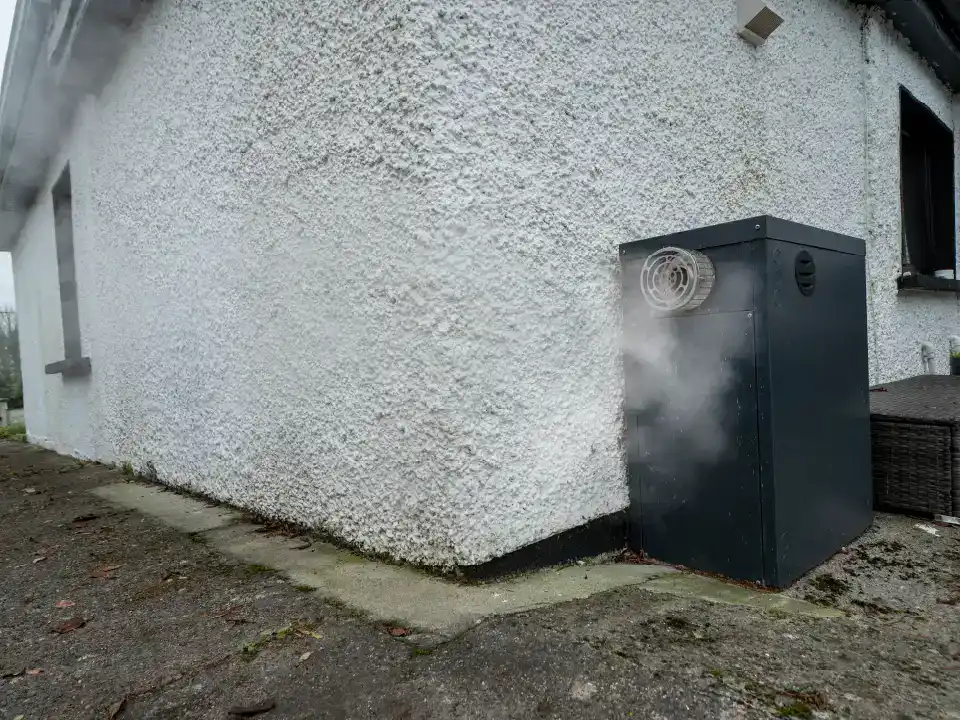
Unlike an oil or kerosene boiler, a heat pump doesn’t burn fossil fuel to generate heat.

Instead, a heat pump uses electricity to extract heat from the air, ground or water and transfer it into your home for heating and, depending on the system, hot water.

Heat pumps work most effectively in homes that retain heat well, which means the condition and energy efficiency of the property need to be considered before installation.

SEAI advises homeowners that a home needs to have a sufficiently low level of heat loss for a heat pump to operate efficiently.

How Do Solar Panels Work With a Heat Pump? 

Moving from an oil or kerosene boiler to a heat pump means more of your home’s energy requirements move from fossil fuel to electricity.

That’s where solar PV can become particularly relevant.

Solar panels generate electricity that can be used within the home, potentially supplying some of the electricity required by a heat pump alongside the rest of your household demand.

Battery storage can also allow some surplus solar electricity generated during the day to be stored for use later.

If you’re considering a wider home-energy upgrade, it can therefore make sense to consider your heating, solar PV, battery storage, insulation and future electricity requirements together.

Read our guide to how solar panels power your home.

You can also read How Many Solar Panels Do I Really Need for My Home in Ireland? to understand how household electricity demand and future energy requirements affect the size of a solar PV system.

Frequently Asked Questions About the Boiler Scrappage Scheme in Ireland 

Is there a boiler scrappage scheme in Ireland? 

Yes. A new €2,000 Boiler Scrappage Grant is now available through SEAI as part of its Heat Pump System grant.

How much is the boiler scrappage grant? 

The grant provides €2,000 in additional support for eligible households replacing an existing oil or gas boiler, solid-fuel system or electric storage heating system with a heat pump.

Can I get the grant for replacing a gas boiler? 

Potentially, yes. SEAI includes eligible oil and gas boilers, solid-fuel systems and electric storage heating systems within the Boiler Scrappage Grant.

How much is the heat pump grant in Ireland? 

Eligible houses can potentially receive up to €14,500 through the expanded Heat Pump System grant package, depending on the system and associated works required.

Do I have to install a heat pump to get the €2,000 boiler scrappage grant? 

Yes. The Boiler Scrappage Grant forms part of SEAI’s Heat Pump System grant and is intended to support the move away from an existing heating system to renewable heating.

When did the boiler scrappage scheme start? 

The new support took effect from 6 October 2026.

Do I need to reapply if I already have a heat pump grant in progress? 

No. If you already have an active SEAI Heat Pump Grant application, the additional €2,000 Boiler Scrappage Grant will be applied automatically if you’re eligible. This also applies if you’ve already submitted your Declaration of Works and are awaiting payment. You do not need to submit a new application.

Thinking About Replacing an Older Oil or Kerosene Boiler? 

If you’re considering replacing an older oil or kerosene boiler, the €2,000 scrappage grant could make a wider home-energy upgrade worth investigating.

Rather than looking at the boiler in isolation, it can be useful to assess your home’s insulation, heating system, solar potential and overall electricity requirements together.

As an SEAI registered One Stop Shop, Activ8 Solar Energies can manage a complete home-energy upgrade, from the initial assessment and grant applications through to the installation of measures such as insulation, heat pumps and solar PV.

LAST UPDATED: 7th October 2026

Make an Enquiry

September 29, 2026

Already have solar panels but no battery?

One of the most interesting home-energy measures being discussed ahead of Budget 2027 could be particularly relevant to existing solar homeowners.

A new €600 grant towards home battery storage is expected to be introduced, and reports indicate that it may not be restricted to people installing solar panels for the first time.

That could mean homeowners who already have solar panels could potentially qualify for financial support to add battery storage to their existing system.

The final scheme has not yet been confirmed, so eligibility, commencement dates and the application process are still to be announced.

Here’s what existing solar homeowners need to know.

Could Existing Solar Panel Owners Get the New €600 Battery Grant?

Potentially, yes.

The proposed €600 battery grant is expected to support the installation of home battery storage, with reports ahead of Budget 2027 indicating that existing solar homeowners could also benefit.

This could be particularly relevant to households that installed solar panels several years ago without a battery, when battery storage was less common.

The precise eligibility requirements haven’t yet been published, so homeowners should wait for the Government and relevant authorities to confirm the final scheme before assuming they qualify.

Can I Add a Battery to My Existing Solar Panels?

Yes, in many cases a battery can be added to an existing solar PV system.

However, it isn’t simply a matter of choosing a battery and connecting it to your panels.

Your existing solar PV system needs to be assessed to determine the most appropriate setup. Factors including the type of inverter already installed, the size of your solar PV system, your electrical setup, household electricity consumption and the battery capacity required all need to be considered.

An experienced solar installer can assess your existing installation and determine what battery options are suitable.

Why Add a Battery to an Existing Solar PV System?

Solar panels generate electricity during daylight hours, but your household won’t necessarily use all of that electricity at the same time it’s being generated.

Without battery storage, the solar electricity your home needs can be used immediately, while surplus generation can be exported to the electricity grid.

Adding a battery gives you another option.

Some of that surplus solar electricity can be stored and used later when your panels are generating less, such as during the evening.

That can allow a household to make greater use of the renewable electricity being generated on its own roof.

Learn more about how solar panels power your home.

Is It Worth Adding a Battery to Existing Solar Panels?

It depends on the home and how electricity is being used.

For example, a household that generates a significant amount of surplus solar electricity during the day but uses more electricity in the evening may have a stronger case for battery storage.

Another household may already consume a high proportion of its solar electricity as it’s generated.

Electricity tariffs, the size of the existing solar system, household consumption and future plans such as an electric vehicle or heat pump can also influence the decision.

The proposed €600 grant could help reduce the upfront cost of adding battery storage, but the availability of a grant shouldn’t be the only reason for installing one.

What If Activ8 Installed My Solar Panels?

If Activ8 installed your solar panels and you don’t currently have battery storage, the proposed new grant could be particularly relevant.

Activ8 has completed more than 25,000 solar installations across Ireland, including many systems installed before battery storage became as common a feature of residential solar installations as it is today.

Our team can assess your existing solar PV system and electricity requirements and discuss whether adding battery storage is suitable for your home.

Talk to Activ8 about adding battery storage.

Will I Qualify If I Previously Received an SEAI Solar Grant?

This is one of the most important questions that needs to be clarified when the new battery scheme is officially announced.

Under the current SEAI Solar PV Grant, a property cannot receive another Solar PV grant if Solar PV funding has previously been provided at that MPRN.

The proposed battery grant, however, is expected to be a separate support for battery storage.

Reports ahead of Budget 2027 indicate that existing solar homeowners could potentially benefit, but we need the final scheme rules to know exactly how previous grant recipients will be treated.

Activ8 will update this page as soon as those details are confirmed.

Frequently Asked Questions About Adding a Battery to Existing Solar Panels

Can I get the new battery grant if I already have solar panels?

Current reports indicate that existing solar homeowners could potentially qualify for the proposed €600 battery grant. Final eligibility requirements haven’t yet been confirmed.

Can I add a battery to an existing solar PV system? 

Yes, in many cases. Your existing inverter, solar PV installation and electrical setup should first be assessed to determine compatibility and the most appropriate battery configuration.

How much is the proposed battery grant?

The proposed new grant is expected to provide €600 towards the cost of installing home battery storage.

I already received an SEAI solar grant. Could I still get the battery grant?

Potentially. The battery grant is expected to be a separate support, but the final rules covering homeowners who previously received Solar PV grant funding haven’t yet been published.

Do I need to replace my solar panels to install a battery?

Usually not. A battery can often be added to an existing solar PV system, although the current installation needs to be assessed for compatibility.

Can I add any battery to my existing solar system?

Not necessarily. Battery compatibility depends on your existing inverter, solar PV system, electrical setup and the battery technology being considered.

Is adding a battery to existing solar panels worth it?

It can be, particularly for households generating surplus solar electricity during the day that could be stored and used later. Whether it’s suitable depends on your individual electricity usage, existing system and tariff.

When can I apply for the €600 battery grant?

The application date hasn’t yet been confirmed. Activ8 will update this page when the Government publishes the final eligibility and application details.

Already Have Solar Panels and Thinking About Battery Storage?

If your solar panels are already generating electricity for your home but you don’t currently have battery storage, the proposed €600 grant could make this a good time to look again at your options.

The important thing is to establish whether battery storage is suitable for your existing system and how it fits with the way your household actually uses electricity.

With 20 years in business and more than 25,000 solar installations completed across Ireland, Activ8 Solar Energies can assess your existing system and discuss the battery-storage options available for your home.

We’ll update this page as soon as the final €600 battery grant details are confirmed.

Talk to Activ8 about adding battery storage

September 28, 2026

If your home was built in the last few years, you may have encountered a frustrating problem when investigating solar panels: your property was too new to qualify for the SEAI Solar PV Grant.

This has now changed.

Eligibility for the SEAI Solar PV Grant has been extended to homes built and occupied before 2025, potentially allowing thousands more Irish homeowners to access support towards installing solar panels.

The maximum standard Solar PV Grant remains €1,800.

So, if your home was built in 2021, 2022, 2023 or 2024, here’s what you need to know.

Can Homes Built Since 2021 Get the Solar Panel Grant? 

Yes. Previously, the SEAI Solar PV Grant was only available for qualifying homes built and occupied before 2021.

That meant many relatively new homes were excluded from the grant even if solar panels hadn’t been installed when the property was built.

Eligibility has now been extended to homes built and occupied before 2025.

That means qualifying homes built in 2021, 2022, 2023 and 2024 can now potentially access the Solar PV Grant.

The other eligibility requirements still apply.

You can read more about the current Solar PV Grant from SEAI.

What Has Changed for Newer Homes? 

The main change is the property’s age requirement.

The previous cut-off of before 2021 has been moved forward to before 2025, bringing a new group of Irish homes within the scheme.

The maximum Solar PV Grant itself remains unchanged at €1,800.

So this isn’t an increase in the standard Solar PV Grant. It’s an expansion of the number of homes that can potentially qualify for it.

Read our guide to what has changed for solar panel grants in Ireland.

How Much Is the Solar Panel Grant in Ireland? 

The maximum standard SEAI Solar PV Grant remains €1,800.

The grant is calculated according to the size of the Solar PV system:

€700 per kWp up to 2kWp.

€200 for each additional kWp up to 4kWp.

That gives a maximum Solar PV Grant of €1,800.

The amount of solar PV that’s appropriate for your home won’t necessarily be determined by the maximum grant available. Electricity consumption, roof space, orientation and future plans such as an electric vehicle or heat pump should also be considered.

Find out more about solar panel grants and supports from Activ8 Solar Energies.

What If My Home Was Built in 2021, 2022, 2023 or 2024? 

If your home was built and occupied in 2021, 2022, 2023 or 2024, you may now qualify for the SEAI Solar PV Grant.

This is one of the most important changes for newer homeowners because these properties fell outside the previous pre-2021 eligibility rule.

You’ll still need to meet the other conditions of the scheme, so the age of the property isn’t the only eligibility requirement.

What About a Home Built in 2025? 

A home built in 2025 does not qualify under the current property-age rule.

SEAI specifies that a home must have been built and occupied before 2025.

That means homes built and occupied during 2024 can potentially qualify, while a home built in 2025 falls outside the current eligibility period.

Could Newer Homes Also Qualify for the €600 Battery Grant? 

Yes, subject to the eligibility requirements.

A new flat-rate €600 grant is now available towards qualifying home battery storage systems with a capacity of 5kWh or larger.

The property must also have been built and occupied before 2025.

If you’re installing Solar PV and qualifying battery storage together, you can apply for both grants through a single application.

That means an eligible homeowner could potentially access up to €2,400 in combined standard support: up to €1,800 for Solar PV and €600 for battery storage.

Frequently Asked Questions About Solar Grants for Newer Homes 

Can a house built in 2021 get the solar panel grant? 

Yes. Homes built and occupied in 2021 can now potentially qualify for the SEAI Solar PV Grant, subject to the other eligibility requirements.

Can a house built in 2022 get the solar panel grant? 

Yes. The eligibility cut-off has been extended to homes built and occupied before 2025, meaning qualifying homes built in 2022 can now access the grant.

Can a house built in 2023 get the solar panel grant? 

Yes. A qualifying home built and occupied in 2023 falls within the new property-age requirement.

Can a house built in 2024 get the solar panel grant? 

Yes. A home built and occupied in 2024 can potentially qualify because SEAI now requires the property to have been built and occupied before 2025.

Can a house built in 2025 get the solar panel grant? 

No, not under the current property-age requirement. The home must have been built and occupied before 2025.

How much is the SEAI Solar PV Grant? 

The standard Solar PV Grant provides up to €1,800. The amount depends on the size of the qualifying Solar PV system.

Can a newer home get the €600 battery grant? 

Yes, provided the property and battery meet the eligibility requirements. The home must have been built and occupied before 2025 and the qualifying battery must have a capacity of at least 5kWh.

Can I get the solar and battery grants together? 

Yes. If you’re installing both Solar PV and a qualifying battery, you can apply for both through a single application, potentially providing up to €2,400 in combined standard grant support.

Thinking About Solar Panels for a Newer Home? 

If you previously investigated solar panels but discovered your home was too new to qualify for the SEAI Solar PV Grant, it’s worth checking again.

Homes built and occupied in 2021, 2022, 2023 and 2024 can now potentially qualify for support, subject to the other eligibility requirements.

With 20 years in business and more than 25,000 solar installations completed across Ireland, Activ8 Solar Energies can assess your home, electricity consumption and future energy requirements and recommend a solar system designed around how you actually use electricity.

LAST UPDATED: 7th October 2026

Make an Enquiry

September 26, 2026

A new €600 grant for home battery storage is now available in Ireland as part of the Government’s latest package of home-energy supports.

The new SEAI Battery Energy Storage System Grant provides a flat-rate €600 grant towards qualifying home batteries with a capacity of 5kWh or larger.

It is available alongside the existing SEAI Solar PV Grant of up to €1,800, potentially making battery storage more affordable for Irish households considering solar panels.

And importantly, the battery grant isn’t only available to people installing solar panels for the first time. Existing solar homeowners can also apply, subject to the eligibility requirements.

Here’s what you need to know.

Is There a Battery Grant in Ireland?

Yes. SEAI has introduced a dedicated €600 Battery Energy Storage System Grant for eligible homeowners installing home battery storage.

The grant is available for batteries with a capacity of 5kWh or larger. Batteries below 5kWh aren’t eligible.

The new support forms part of a wider package of home-energy measures announced by Government around Budget 2027.

How Much Is the Battery Grant in Ireland?

The battery grant is a flat rate of €600.

Unlike the Solar PV Grant, the amount doesn’t increase depending on the size of the qualifying battery. A battery of 5kWh or larger can qualify for the €600 grant, subject to the other scheme requirements.

The existing SEAI Solar PV Grant provides up to €1,800 towards an eligible solar PV installation.

If you’re installing both Solar PV and qualifying battery storage, you can apply for both grants through a single application.

That means an eligible homeowner could potentially access up to €2,400 in combined standard grant support: up to €1,800 for Solar PV and €600 for battery storage.

Why Has a Solar Battery Grant Been Introduced?

Battery storage is becoming an increasingly important part of home solar systems.

A solar battery allows you to store surplus electricity generated by your solar panels during the day and use it later when your panels are producing less electricity.

According to figures reported by The Irish Times, around half of current solar installations now include battery storage. The Department of Energy has also estimated that a household with battery storage alongside a 4kWp solar PV system could potentially achieve annual savings of up to €900.

Actual household savings will vary depending on electricity consumption, tariffs, solar generation and how the system is used.

Can I Get the €600 Battery Grant If I Already Have Solar Panels?

Yes, subject to the eligibility requirements.

This is one of the most significant aspects of the new scheme for homeowners who installed solar panels without battery storage.

If you already have Solar PV, you can apply separately for the new €600 battery grant.

If you currently have a Solar PV grant application in progress, SEAI says you don’t need to amend that application. You can submit a separate application for the battery grant.

However, the battery installation must not begin before you have applied and received your Grant Offer from SEAI.

Can I Add a Battery to My Existing Solar Panels? 

Yes, in many cases a battery can be added to an existing solar PV system.

However, the existing installation needs to be assessed first. Factors such as your inverter, current solar system, electrical setup, household electricity consumption and the type and capacity of battery all need to be considered.

An experienced solar installer can assess the existing system and recommend an appropriate battery configuration.

Who Can Apply for the €600 Battery Grant? 

The grant is available for eligible properties owned by homeowners, including private landlords, Owner Management Companies and Approved Housing Bodies.

The home must have an MPRN and must have been built and occupied before 2025.

The battery must have a capacity of at least 5kWh and be installed by an SEAI-registered Solar PV Contractor.

A property isn’t eligible if it has previously received grant funding for a battery at the same MPRN.

If the property has Solar PV, a post-works BER is also required for the battery grant.

Frequently Asked Questions About the Battery Grant in Ireland 

Is there a battery grant in Ireland? 

Yes. SEAI now provides a flat-rate €600 grant towards eligible home battery storage systems.

How much is the battery grant in Ireland? 

The grant is €600 for a qualifying battery with a capacity of 5kWh or larger.

When did the battery grant start? 

The new battery grant took effect from 6 October 2026 as part of the Government’s enhanced home-energy supports.

Can I get the battery grant if I already have solar panels?

Yes, subject to the eligibility requirements. Existing solar homeowners can apply separately for the €600 battery grant.

Can I get the battery grant and the SEAI Solar PV Grant? 

Yes. If you’re installing both Solar PV and a qualifying battery, you can apply for both grants through a single application.

How much does a solar battery cost in Ireland? 

The cost of a solar battery in Ireland depends on its capacity, technology and installation requirements. The €600 battery grant is to help reduce the upfront cost of installing battery storage.

Can I add a battery to my existing solar panels? 

Yes, in many cases. Your existing inverter, solar PV system and electrical setup should be assessed to determine compatibility and the most appropriate battery configuration.

Thinking About Solar Battery Storage? 

The new €600 grant makes this a good time for homeowners to look at whether battery storage could make sense for their home.

Whether you’re installing Solar PV for the first time or already have panels and are considering adding a battery, the right system will depend on your electricity usage, existing installation and future energy requirements.

With 20 years in business and more than 25,000 solar installations completed across Ireland, Activ8 Solar Energies can assess your home and recommend a solar and battery system suited to how you actually use electricity.

LAST UPDATED: 7th October 2026

Make an Enquiry

September 24, 2026

From attracting great people to creating a workplace where they thrive, Activ8 Solar Energies is celebrating another major workplace achievement.

We’re delighted to announce that Activ8 Solar Energies has won the Best Workplace for Employee Engagement & Team Building Award at the Workplace Excellence Awards 2026.

The award follows our Excellence in Recruitment & Retention Award in 2025, marking two consecutive years of recognition for our commitment to our people.

The 2026 award recognises organisations with a well-developed employee engagement strategy that is embedded in the heart of the business, alongside those creating a positive and enjoyable workplace through social and team-building activities. Entrants were also required to demonstrate how engagement is measured and the impact it has on the wider organisation.

As one of Ireland’s leading renewable energy companies, Activ8 Solar Energies has earned national recognition for innovation, sustainability and customer excellence. Over the past 18 months, the company’s achievements have been recognised at the Green Awards, All-Ireland Sustainability Awards, Business Energy Achievement Awards, Climate Change Leadership Awards, Health & Safety Excellence Awards, and the Guaranteed Irish Business Awards, as well as through Deloitte Best Managed Company status. These accolades reflect Activ8’s leadership across renewable energy, sustainability, business performance, customer experience and operational excellence.

As Activ8 continued to grow, it also strengthened its governance structures through the appointment of an Independent Non-Executive Director. Bringing valuable external insight and strategic oversight to the board, the role has enhanced decision-making and accountability, helping position the business for its next phase of sustainable growth and long-term success.

As Activ8 has grown to more than 300 employees across Ireland and the UK, maintaining a strong, connected culture has remained a key priority.

Our approach to engagement centres around four pillars: Leadership, Employee Voice, Connection & Belonging, and Growth & Development.

From “Coffee with CEO” sessions and employee engagement surveys to team-building events, cultural celebrations, recognition programmes and our ACE career development programme, we’re focused on creating an environment where our people feel connected, supported and able to grow.

This award is recognition of the people who make Activ8 what it is.

As we celebrate our 20th anniversary in 2026, we’re proud to continue building a workplace where people can connect, develop, contribute and grow.

Congratulations to the entire Activ8 team.

September 22, 2026

Recent headlines have raised concerns that the financial return homeowners receive for exporting surplus solar electricity to the grid could come under pressure. In Ireland, this discussion comes as the number of homes generating their own electricity continues to grow, while export payments remain significantly lower than the price homeowners pay to buy electricity from the grid. Energy experts have warned that, as more solar comes onto the system, the value of surplus electricity could reduce over time. This has led to comparisons with the Netherlands, where a major change to the way homeowners are compensated for solar exports is taking place. So, what is actually changing in the Netherlands, and what, if anything, could it mean for homeowners in Ireland?

What the Netherlands Solar Export Changes Really Mean for Homeowners

Homeowners in the Netherlands are set to see changes to the financial benefits available for exporting surplus solar electricity to the grid. While the changes are significant, the reality is less dramatic than some reports may suggest. To understand what’s happening, it’s important to look at how export payments have worked in the Netherlands up to now and how that compares with the system already operating in Ireland.

How Export Payments Worked in the Netherlands

For many years, the Netherlands operated one of Europe’s most generous solar support mechanisms through a system known as net metering. Under net metering, homeowners receive the same value for exported electricity as they pay for imported electricity.For example:
  • Import electricity price: €0.40/kWh
  • Export electricity price: €0.40/kWh
If a homeowner exported 1,000 kWh of surplus solar energy, they effectively received €400 of value, exactly matching the retail rate they pay when buying electricity from their supplier. This system helped drive rapid residential solar adoption across the country and is one of the key reasons why rooftop solar penetration in the Netherlands is among the highest in Europe.

What’s Changing?

From January 2027, Dutch homeowners will no longer receive one-for-one net metering. However, this does not mean Dutch homeowners will stop being paid for exporting electricity. Instead, the system is moving towards a model where exported electricity is compensated separately from electricity imported from the grid. Until 2030, suppliers must provide a minimum export payment equivalent to at least 50% of the supplier’s underlying electricity supply tariff. Using the same example:
  • Import rate: €0.40/kWh
  • Minimum export rate: €0.20/kWh
Homeowners will still receive payment for exported electricity, but not at the same rate they pay when importing from the grid.

So, How Does This Compare With Ireland?

This is where the Dutch example needs some context. Ireland has never operated a true one-for-one net metering system for residential solar. Instead, Irish homeowners with microgeneration can receive payment for electricity they export to the grid through the Clean Export Guarantee (CEG).

The important difference is that the export payment does not have to match the retail price a homeowner pays for electricity. The result is a two-price system: You pay your electricity supplier one rate when you buy electricity from the grid, but you may receive a different, generally lower rate when you export surplus electricity to the grid.

That is already the reality for Irish solar homeowners.

What Has Happened in Practice?

Interestingly, the Irish market has naturally settled at export rates that are often around 50% of the retail import price. The average electricity price to households in H2 2025 was 38c/kWh.*  
ExampleAverage electricity price to householdsExport RateExport Rate as % of Import
Lower Export Rate38c/kWh15-18c/kWh39-47%
Higher Export Rate38c/kWh19-21c/kWh50-55%
SSE Airtricity (Activ8 premium) Export Rate38c/kWhYear 1 – 32c/kWhYear 2 -27c/kWhYear 1 – 84%
Year 2 – 71%
*https://www.seai.ie/data-and-insights/seai-statistics/pricesIn fact, some suppliers have chosen to compete more aggressively by offering higher export rates. At Activ8, through our partnership with SSE Airtricity, eligible homeowners on our Premium Gen tariff can currently receive export payments of up to 32c/kWh, which can equate to approximately 84% of the imported unit rate depending on the tariff selected.

Is This the Future for Ireland?

The short answer is that export rates will continue to evolve. As more rooftop solar systems are installed across Ireland, and as solar generation increases during daylight hours, export values will increasingly be influenced by wholesale electricity markets, supplier competition and customer demand. This means export rates may rise or fall over time depending on market conditions. What is unlikely, however, is a return to a full net metering model where exports are always compensated at the same rate as imports. Most European electricity markets are moving towards compensation structures that better reflect the actual value of electricity being exported to the grid.

What Homeowners Should Focus On

While export payments remain an important part of solar economics, the biggest saving from solar has always come from using the electricity you generate yourself.Every unit of solar energy used directly in the home avoids purchasing electricity from the grid at the full retail rate. For most homeowners, maximizing self-consumption through smart usage habits, hot water diversion, EV charging or battery storage can often deliver more value than export payments alone.

The Bottom Line

The Dutch changes do not mean solar exports are ending. They represent a shift away from one of Europe’s most generous net metering schemes towards a system that more closely resembles the type of export market already operating in Ireland.In practice, Irish homeowners have been living with this model for several years, receiving payment for exported electricity while still enjoying significant savings from generating their own clean energy. The lesson isn’t that solar is becoming less valuable. Rather, it reinforces a principle that has always been true: the greatest value comes from generating clean electricity and using as much of it as possible within your own home.

September 21, 2026

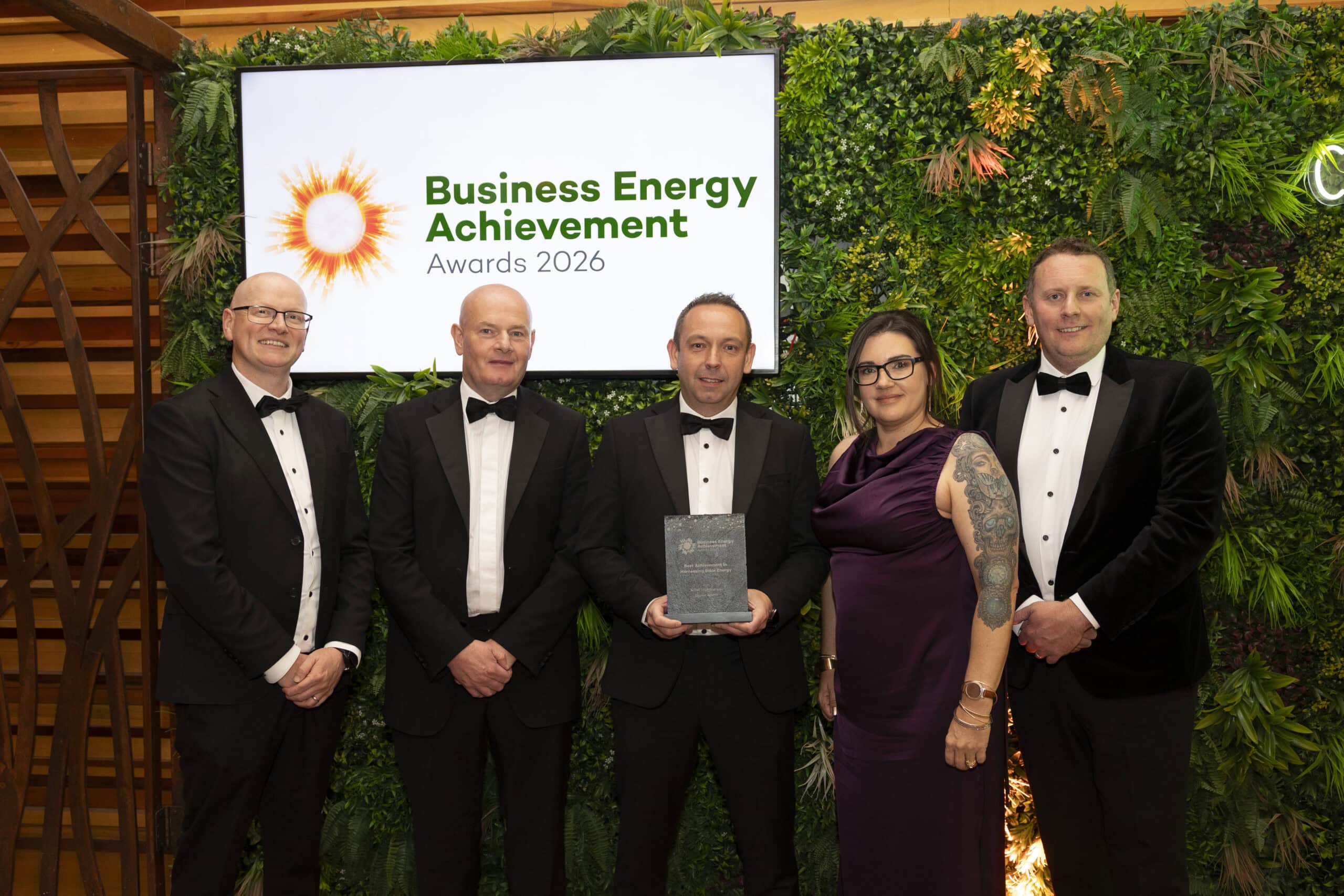
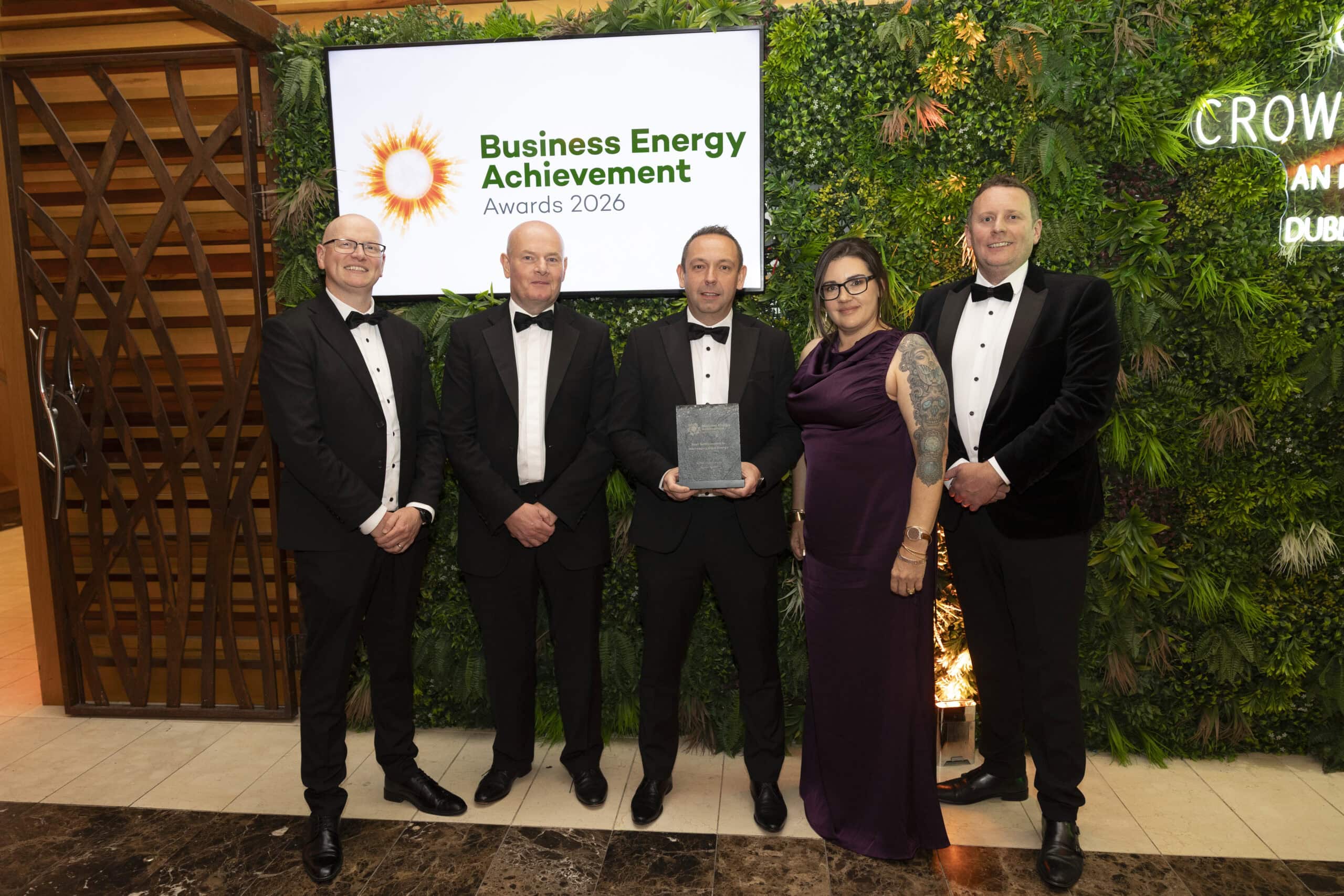
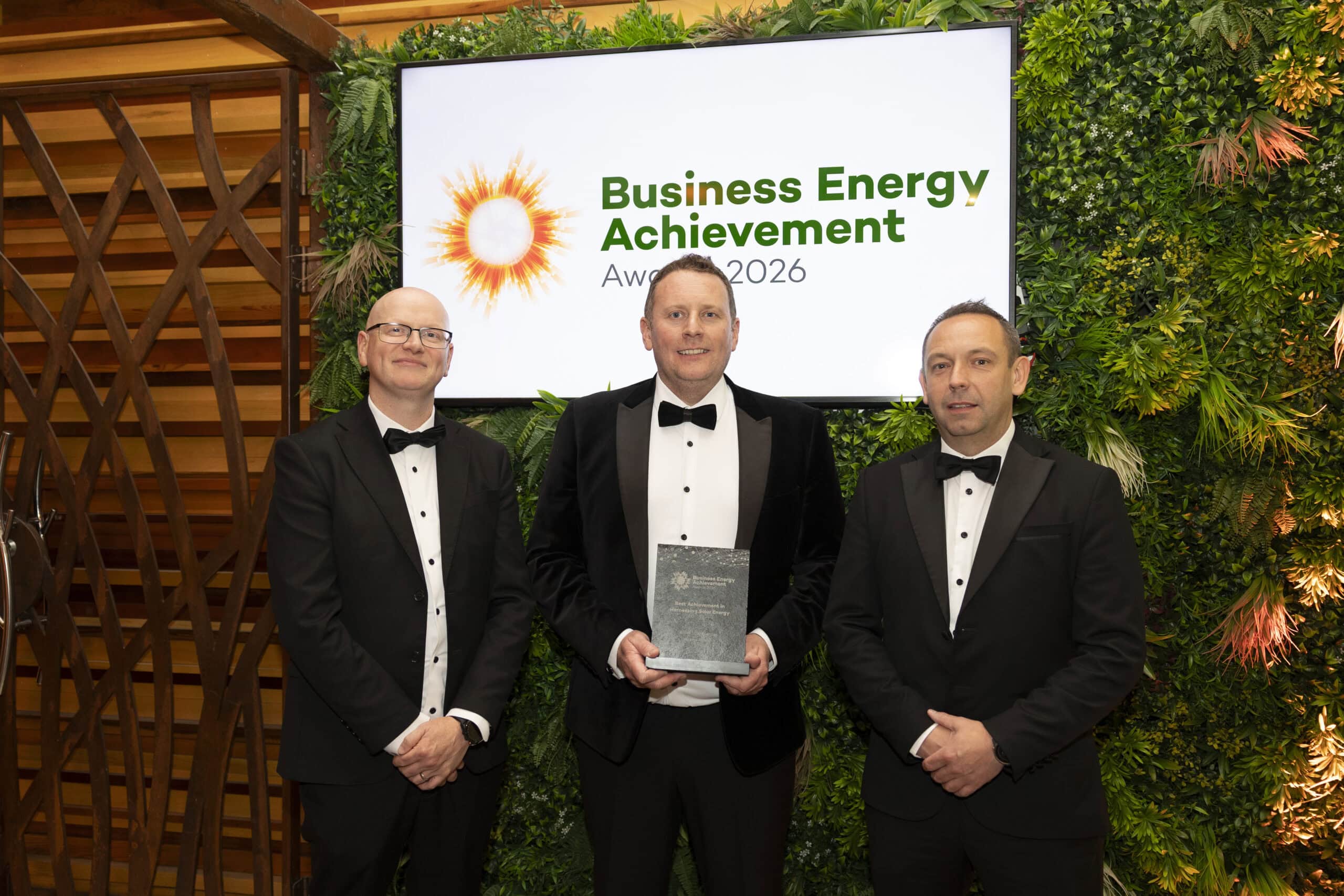
Activ8 Solar Energies has been recognised with the Best Achievement in Harnessing Solar Energy award at the Best Energy Achievement Awards 2026, following its success at the 2025 awards.

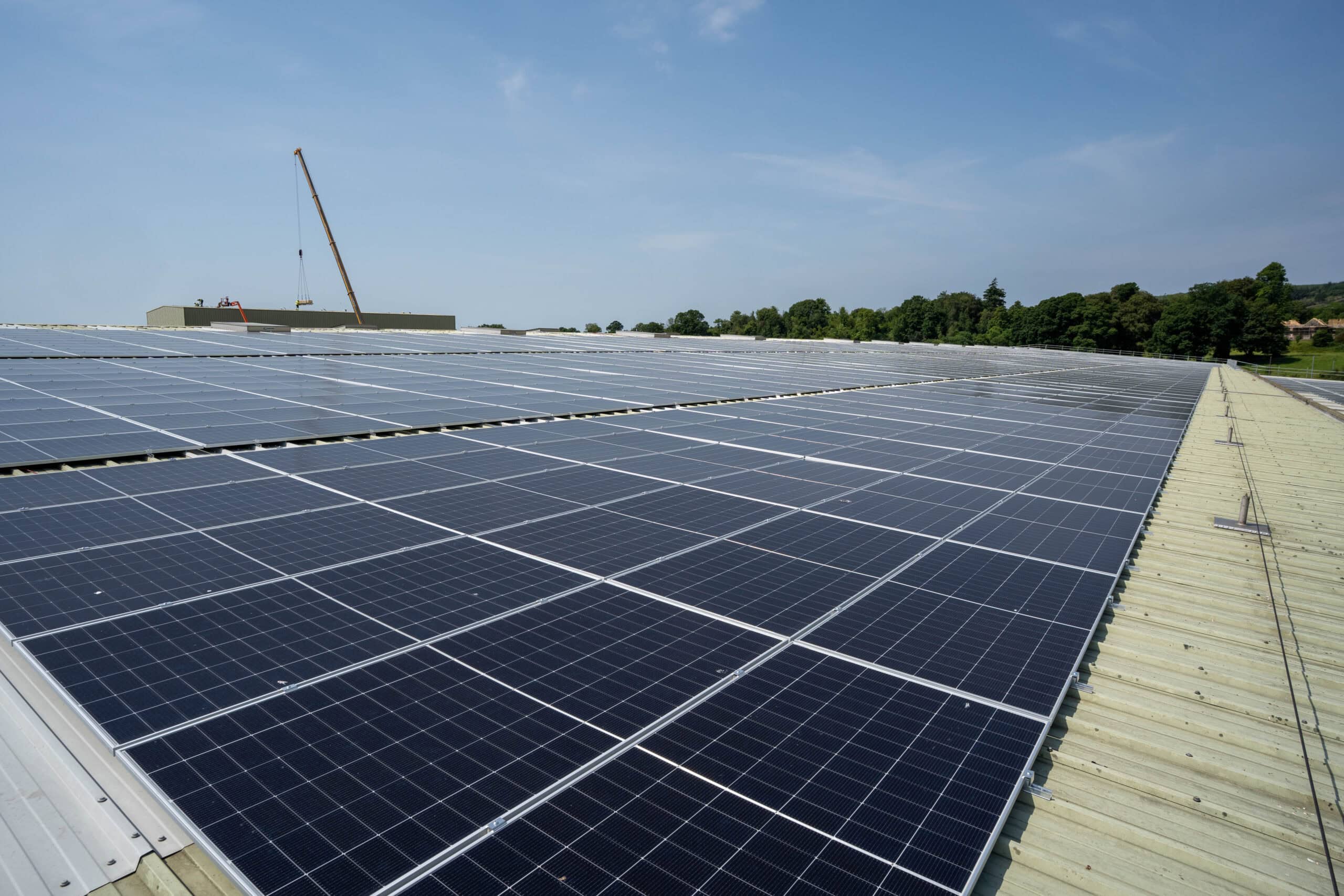
The award recognises Activ8’s work delivering a landmark solar project for Gyproc Ireland at its Kingscourt facility in Co. Cavan, Ireland’s largest solar installation on a capped landfill site.

The 2.5 MWp installation features 3,556 solar panels and generates approximately 2,145 MWh of renewable electricity each year, helping to avoid an estimated 502 tonnes of CO₂ annually.

https://www.youtube.com/watch?v=Je1Qn5B4v-c&t=2s

The project presented a unique engineering challenge. As the solar array was installed on a capped landfill, traditional ground-penetrating foundations could not be used.

Activ8 developed a custom-engineered ballasted mounting system, allowing the solar array to be installed while maintaining the integrity of the capped site.

The project also uses a fully funded Power Purchase Agreement (PPA) with SSE Airtricity, meaning Gyproc could access the benefits of large-scale renewable energy without an upfront capital investment.
The Kingscourt installation demonstrates how innovative solar solutions can deliver significant energy and carbon benefits while overcoming challenging site conditions.

With more than 2,000 MWh of renewable electricity generated annually and hundreds of tonnes of CO₂ avoided each year, the project provides a practical example of how industrial sites can accelerate their transition to renewable energy.

Activ8 is proud to continue delivering practical, scalable solar solutions that help businesses reduce emissions, generate renewable energy and progress towards a more sustainable energy future.

As one of Ireland’s leading renewable energy companies, Activ8 Solar Energies has earned national recognition for innovation, sustainability and customer excellence. Over the past 18 months, the company’s achievements have been recognised at the Green Awards, All-Ireland Sustainability Awards, Business Energy Achievement Awards, Climate Change Leadership Awards, Health & Safety Excellence Awards, and the Guaranteed Irish Business Awards, as well as through Deloitte Best Managed Company status. These accolades reflect Activ8’s leadership across renewable energy, sustainability, business performance, customer experience and operational excellence.

As Activ8 continued to grow, it also strengthened its governance structures through the appointment of an Independent Non-Executive Director. Bringing valuable external insight and strategic oversight to the board, the role has enhanced decision-making and accountability, helping position the business for its next phase of sustainable growth and long-term success.




September 20, 2026

Travel around County Kilkenny and the shift is becoming hard to miss.

From family homes in Kilkenny city and Thomastown to properties around Callan, Freshford and Mooncoin, solar panels are becoming a more regular feature on rooftops.

Electricity remains one of the biggest household expenses, more people are switching to electric vehicles and homeowners want greater certainty over their energy costs. That combination is driving steady interest in solar.

So are solar panels worth it in Kilkenny?

For many homes, the answer is yes.

Why More Kilkenny Homeowners Are Choosing Solar Panels

Kilkenny has a broad mix of homes, from older properties and rural bungalows to detached and semi-detached family homes and more modern developments.

Many have good roof space and relatively open surroundings, which can work well for solar. Rising electricity costs and a greater focus on energy efficiency are also encouraging homeowners to look at generating more of their own electricity.

Activ8 has already completed residential solar installations across the county, including in Mooncoin, Freshford, Kilmacow, Thomastown, Radestown and Bennettsbridge.

Do Solar Panels Work Well in Kilkenny? 

The climate may be more Castlecomer than Casablanca, but that’s not a problem!

Solar panels don’t need constant sunshine – they generate from daylight and continue to produce power on bright, overcast days as well as sunny ones.

Kilkenny is also located in the southeast of Ireland, the part of the country that generally enjoys the highest sunshine levels. Met Éireann says Ireland typically receives between 1,100 and 1,600 hours of sunshine each year, with the extreme southeast receiving the most.

How Much Could You Save With Solar Panels in Kilkenny?

There’s no single savings figure that applies to every Kilkenny home.

Savings depend on several factors: the size of your system, your electricity usage, roof orientation, how much solar electricity you use yourself and whether you include battery storage.

Your daily routine matters too. A household using more electricity during daylight hours may be able to use more of its solar generation directly.

The best way to estimate potential savings is therefore to look at your actual electricity usage and design the system around your home rather than relying on a generic national figure.

What Solar Grants Are Available in Kilkenny? 

Eligible Kilkenny homeowners can currently receive an SEAI Solar PV Grant of up to €1,800 towards an installation.

The grant provides €700 per kWp up to 2kWp and €200 for each additional kWp up to 4kWp. A qualifying system of 4kWp or larger therefore reaches the current €1,800 maximum.

Your home must meet the eligibility criteria and grant approval needs to be in place before work commences.

What Solar Grants Are Available in Kilkenny?

Battery storage allows you to keep some of the surplus electricity generated by your solar panels during the day and use it later.

That can be useful for households where electricity demand is highest in the evening, after solar generation has started to fall.

A battery won’t be necessary for every Kilkenny home. Whether it makes sense depends on your electricity usage, the size of your solar system and when you typically use power.

What If You’re Thinking About an Electric Car?

Electric vehicles are becoming a more common sight on Kilkenny roads, and an EV can make solar particularly relevant for a household.

A record 312 electric vehicles were registered in County Kilkenny in 2025, up from 232 the previous year – an increase of around 35%

An EV can significantly increase a household’s electricity consumption, but if your car is at home while your panels are generating, some of that solar electricity can potentially be used to help charge it.

If an EV is likely to be your next car, it’s worth taking that future electricity demand into account when designing your solar system.

Will Solar Panels Improve My BER Rating?

Solar PV can make a positive contribution to the energy performance of your home and may help improve its BER ratings.

The exact improvement will depend on the property and the other energy-efficiency measures already in place.

For Kilkenny homeowners investigating insulation, heat pumps or other upgrades, solar is often considered as part of a wider approach to improving the home’s energy performance.

Are Solar Panels Worth It for Your Kilkenny Home?

For many households, yes.

The strongest candidates tend to have suitable roof space, reasonable electricity usage and a solar system designed around how the household actually consumes power.

A rural home outside Castlecomer may have very different requirements to a family home in Kilkenny city, so the starting point should always be the individual property.

Frequently Asked Questions About Solar Panels in Kilkenny

Do I Need a South-Facing Roof for Solar Panels in Kilkenny?

No. A south-facing roof can be ideal, but east- and west-facing roofs can also work well. Available roof space, pitch and shading are also important.

How Many Solar Panels Will I Need?

There’s no single number that suits every Kilkenny home. It depends on your electricity consumption, available roof space and future requirements such as an electric vehicle or heat pump.

Can I Add a Battery Later?

In many cases, yes. If you think battery storage may interest you in future, it’s worth discussing that when your original solar system is being designed.

Do Solar Panels Work on Cloudy Days in Kilkenny?

Yes. Solar PV generates electricity from daylight rather than heat. Even on dull days, diffuse solar radiation continues to reach the earth’s surface.

Can Older Homes in Kilkenny Have Solar Panels?

Yes, provided the roof is suitable. The age of the house isn’t the deciding factor – roof condition, orientation, available space and shading are more important.

Thinking About Solar Panels in Kilkenny?

No two homes in Kilkenny use electricity in exactly the same way, which is why no two solar systems should automatically be identical.

With 20 years’ experience and more than 25,000 installations completed across Ireland, Activ8 Solar Energies has helped homeowners generate their own electricity, reduce their reliance on the grid and take greater control of their energy bills.

Whether you’re considering solar panels alone, battery storage, EV charging or a more complete home-energy upgrade, get in touch with our team for a tailored assessment.

If you are considering solar panels in Kilkenny, get in touch with the Activ8 team for a tailored assessment of your home.

September 18, 2026

Travel around County Carlow and the shift is becoming hard to miss.

From family homes in Carlow town and Tullow to bungalows around Bagenalstown, rural properties and newer estates across the county, solar panels are becoming a more regular feature on rooftops.

Electricity remains one of the biggest household expenses, more people are switching to electric vehicles, and homeowners want greater certainty over their energy costs. That combination is driving steady interest in solar.

So are solar panels worth it in Carlow?

For many homes, the answer is yes.

Why More Homeowners in Carlow Are Choosing Solar 

Carlow has a strong mix of housing – from older bungalows and rural homes to detached and semi-detached properties built in more recent decades.

Many offer good roof space and relatively open surroundings, which can work well for solar. Rising electricity prices and a greater focus on energy efficiency have also encouraged more homeowners to look at the option.

Activ8 has already completed residential solar installations across County Carlow, including in areas such as Tullow, Nurney, Ballinabrannagh, Royal Oak and Quinagh.

Do Solar Panels Work Well in Carlow? 

The climate may be more Carlow town than Monte Carlo, but that’s not a problem at all.

Solar panels don’t need constant sunshine – they generate from daylight and continue to produce power on bright, overcast days as well as sunny ones.

Carlow is also relatively well placed. Met Éireann’s long-term figures show that the east and southeast generally receive more sunshine than western and northwestern parts of Ireland.

Like the rest of Ireland, Carlow receives more than enough daylight across the year for a properly designed solar PV system to deliver results.

How Much Could You Save With Solar Panels in Carlow?

Savings depend on several factors: the size of your system, your electricity usage, roof orientation, how much solar electricity you use yourself and whether you include battery storage.

Your daily routine matters too. A household using more electricity during daylight hours may be able to use more of its solar generation directly.

The best way to estimate potential savings is therefore to look at your actual electricity usage and design the system around your home rather than relying on a generic national figure.

What Solar Grants Are Available in Carlow? 

Eligible Carlow homeowners can currently receive an SEAI Solar PV Grant of up to €1,800 towards an installation.

The grant provides €700 per kWp up to 2kWp and €200 for each additional kWp up to 4kWp. A qualifying system of 4kWp or larger therefore reaches the current €1,800 maximum.

Your home must meet the eligibility criteria and grant approval needs to be in place before work begins.

Is Battery Storage Worth Considering?

Battery storage is becoming an increasingly popular addition to home solar systems.

A battery allows you to store surplus electricity generated during the day and use it later in the evening, when household demand is often at its highest.

It won’t be necessary for every home. Whether a battery makes sense depends on your electricity usage, system size and when you tend to use power.

What If You’re Thinking About an Electric Car? 

Electric vehicles are becoming a more common sight on Carlow roads, and an EV can make solar particularly interesting for a household. In the first two months of 2026, new electric car registrations in Carlow were up over 46% on the previous year.

If your car is at home while your panels are generating, some of the electricity produced on your roof can potentially be used to help charge it.

If you’re planning to buy an EV in the next few years, it’s worth discussing that when your original solar system is being designed rather than treating the two decisions separately.

Will Solar Panels Improve My BER Rating?

Solar PV can make a positive contribution to the energy performance of your home and may help improve its BER ratings.

The exact improvement will depend on the property and the other energy-efficiency measures already in place.

For homeowners investigating insulation, heat pumps or other upgrades, solar is often considered as part of a wider approach to improving the home’s energy performance.

Are Solar Panels Worth It for Your Carlow Home? 

For many households, yes.

The strongest candidates tend to have suitable roof space, reasonable electricity usage and a system designed around how the household actually consumes power.

Solar won’t look exactly the same for every home. A bungalow outside Bagenalstown may need a very different system to a family home in Carlow town.

That’s why the starting point should be the property itself.

Frequently Asked Questions 

Do I Need a South-Facing Roof for Solar Panels in Carlow? 

No. A south-facing roof can be ideal, but east- and west-facing roofs can also work well. Roof pitch, available space and shading are also important.

How Many Solar Panels Will I Need? 

There’s no single number that suits every Carlow home. It depends on your electricity consumption, available roof space and future needs such as an EV or heat pump.

Do Solar Panels Work on Cloudy Days in Carlow? 

Yes. Solar PV works from daylight rather than heat. Met Éireann notes that even on days without direct sunshine, solar energy continues to reach the surface as diffuse radiation.

Can I add a battery later?

In many cases, yes. If you think you may want battery storage in future, it’s worth discussing this when the original solar system is being designed so future expansion can be considered.

Can Older Homes in Carlow Have Solar Panels? 

Yes, provided the roof is suitable. The age of the house isn’t the deciding factor – roof condition, orientation, available space and shading are more important.

Thinking About Solar Panels in Carlow?

No two homes in Carlow use electricity in exactly the same way, which is why no two solar systems should automatically be identical.

With 20 years in business and more than 25,000 solar installations completed across Ireland, Activ8 understands how to design systems around real households and realistic energy needs.

Whether you’re considering solar panels alone, battery storage, EV charging or a more complete home-energy upgrade, get in touch with our team for a tailored assessment.

If you are considering solar panels in Carlow, get in touch with the Activ8 team for a tailored assessment of your home.

September 16, 2026

A breakfast roll was €3. And in 2006, we weren’t just eating them. We were singing about them.

Pat Shortt’s The Jumbo Breakfast Roll spent six weeks at number one and finished the year as Ireland’s best-selling single of 2006, even outselling Shakira’s Hips Don’t Lie.

Phones had buttons and the iPhone didn’t exist.

And spotting solar technology on the roof of an Irish home was unusual enough to make you look twice. Twenty years later, quite a lot has changed.

That’s the idea behind the advertising campaign you may have spotted on billboards or heard on the radio recently as Activ8 Solar Energies celebrates 20 years in business.

One of those billboards carries a simple message:

“We’ve been installing solar since a breakfast roll was €3.”

It’s a bit of fun.

But it’s also a surprisingly effective way of putting 20 years into perspective.

What Was Ireland Like 20 Years Ago?

Let’s go back to 2006 when Ireland was still in the middle of the Celtic Tiger years.

More than a million of us had been putting money into SSIAs, with the first accounts beginning to mature that year. A new car? A holiday? Home improvements? Pay something off? Those were the kinds of conversations taking place around Irish kitchen tables.

The Luas was still relatively new. Dublin Airport’s Terminal 2 didn’t exist. Neither did the iPhone.

There was no Instagram. No WhatsApp. No Spotify. Twitter was only getting started, while Facebook had yet to become the everyday part of Irish life it would eventually become.

If you wanted to take a decent photograph, there was a fair chance you brought a camera. If you got lost, you might actually have to ask someone for directions.

And if somebody mentioned TikTok, you’d probably have assumed they were talking about a clock.

Then there was the soundtrack.

Pat Shortt released The Jumbo Breakfast Roll in February 2006. It was essentially an ode to one of Ireland’s great culinary institutions, and the country absolutely loved it.

Six weeks at number one. The biggest-selling single of the year. Shakira, Gnarls Barkley, Justin Timberlake and the rest had to settle for looking up the charts at a song about a breakfast roll.

It was a very particular time and place. Which is precisely why, 20 years later, we couldn’t resist putting the breakfast roll on a billboard.

What Did Solar Energy Look Like in Ireland 20 Years Ago? 

Solar wasn’t part of everyday conversation around Irish homes in anything like the way it is today. Seeing solar technology on a house was relatively unusual.

Today, take a drive through almost any Irish town, village or housing estate and you’ll probably spot solar panels quite quickly.

And the questions homeowners ask have changed with them.

Do solar panels actually work in Irish weather?

How many solar panels would I need?

Is my roof suitable?

Should I get a solar battery?

What grants are available?

Would solar make sense if I’m buying an electric car?

These are now perfectly ordinary questions for Irish homeowners. And the numbers behind that transformation are remarkable.

How Much Has Solar Energy Grown in Ireland?

More than 200,000 Irish homes now have solar panels, while Ireland passed another major solar milestone in 2026 when total installed capacity exceeded 3GW.

Solar has moved from being an unusual sight to becoming an increasingly familiar part of the Irish landscape.

For homeowners, that means solar isn’t some technology that might become mainstream at some point in the future. It’s already sitting on rooftops all over the country.

And Activ8 has had a front-row seat for much of that transformation.

How Has Home Solar Changed in 20 Years?

The conversation about installing solar today is very different from the one homeowners would have had 20 years ago.

Solar PV can now form part of a much wider home-energy system.

Homeowners can consider battery storage, allowing surplus electricity generated during daylight hours to be stored and used later.

Electric vehicles mean some households can use electricity generated on their own roof to help power their car.

Surplus solar electricity can be exported back to the national grid.

Solar can also form part of a wider home-energy upgrade alongside technologies such as heat pumps and improvements to insulation, windows and doors.

And there is Government support towards the cost.

In 2026, eligible homeowners can receive an SEAI Solar PV Grant of up to €1,800. The current scheme provides €700 per kWp up to 2kWp and €200 for each additional kWp up to 4kWp, capped at €1,800.

Are Solar Panels Now Mainstream in Ireland?

With more than 200,000 Irish homes now having solar panels, we’re certainly getting there.

Perhaps an even better indication is the type of conversations we’re now having with homeowners.

Solar isn’t only being considered by early adopters with a particular interest in renewable technology.

It might be a couple in their seventies wondering whether it’s still worthwhile installing solar at their age.

It might be a family trying to get more control over their electricity bills.

It might be somebody buying their first electric car.

Or it might simply be a homeowner who has noticed that several houses on their road now have panels and started wondering whether their own roof could do the same job.

We’ve answered many of those questions elsewhere on this site.

Twenty years ago, these weren’t questions most Irish households were asking. Today, they very much are.

20 Years and More Than 25,000 Solar Installations Later

And that brings us back to the reason for the breakfast roll and the old mobile phone.

Activ8 Solar Energies is celebrating 20 years in business.

During that time, we’ve installed more than 25,000 solar systems.

We’ve watched solar move from something relatively unfamiliar to a technology now found on more than 200,000 Irish homes.

We’ve seen battery storage and electric vehicles become part of the conversation. We’ve seen Government grants and supports evolve.

And we’ve seen Irish homeowners become far more familiar with where their electricity comes from, what it costs and how much of it they could potentially generate themselves.

A lot has changed in 20 years.

We’re pleased to report that the breakfast roll has survived, although good luck trying to find one for three quid.

Frequently Asked Questions About Solar Energy in Ireland

How long has Activ8 Solar Energies been in business?

Activ8 Solar Energies is celebrating 20 years in business in 2026 and has installed more than 25,000 solar systems during that time.

How many homes in Ireland have solar panels?

More than 200,000 Irish homes now have solar panels, illustrating how significantly domestic solar has grown in Ireland over the past two decades.

How much solar capacity does Ireland have?

Ireland passed 3GW of installed solar capacity in 2026, marking another significant milestone in the development of solar energy in Ireland.

Were solar panels common in Ireland 20 years ago?

No. Solar technology was a much less common sight on Irish homes 20 years ago. Today, more than 200,000 Irish homes have solar panels installed.

Celebrating 20 Years of Activ8 Solar Energies

Our latest advertising campaign is having a little fun with how much Ireland has changed during Activ8’s 20 years in business.

But behind the nostalgia is something we’re extremely proud of.

Twenty years in business. More than 25,000 solar installations. And an Irish solar landscape that has changed almost beyond recognition along the way.

So if you’ve spotted one of our anniversary billboards or heard us on the radio recently, hopefully it’s brought back a few memories.

And after 20 years, we’re looking forward to seeing what comes next.

We have absolutely no idea what a breakfast roll will cost in 2046.

But we’d quite like it to stay below a tenner.
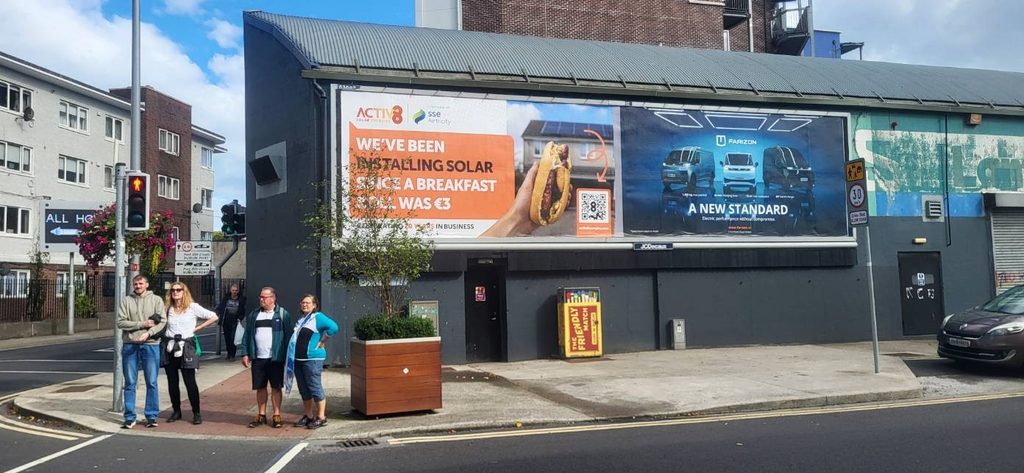
September 10, 2026

It’s almost that time of year again.

For three days every September, a field in the Irish midlands effectively becomes one of the busiest places in the country.

The National Ploughing Championships 2026 take place in Screggan, Tullamore, Co. Offaly, from Tuesday 15th to Thursday 17th September, and Activ8 Solar Energies will be there.

Despite the name, anyone who has been to the Ploughing knows that tractors and muddy wellies are only part of the story.

The event has become an annual day out for families and visitors from towns, villages and rural communities across Ireland, with everything from food and entertainment to business, technology, lifestyle and home improvement represented across the site.

And if solar panels have been on your mind lately, we’d love you to drop in for a chat.

Thinking About Solar Panels for Your Home?

One of the advantages of an event like the Ploughing is that you can have a proper conversation.

You might have been considering solar panels for months but still have questions.

Is my roof suitable?

How many solar panels would I need?

Would solar be worthwhile for an older house?

Do I need a solar battery?

What grants can I get?

Would solar make sense if I’m planning to buy an electric car?

Or perhaps you’ve simply looked at your electricity bills lately and started wondering how much of that electricity you could generate yourself.

The Activ8 team will be at the National Ploughing Championships throughout the three days to talk through those questions and help homeowners understand what might work for their particular property.

There isn’t one solar system that’s right for every Irish home. Roof space and condition, orientation, shading, household electricity consumption and when that electricity is used can all influence the system that’s recommended.

If you live outside one of Ireland’s larger towns or cities, you can also read our guide “Solar Panels for Rural Homes in Ireland: Are They Worth It?”

Where Can You Find Activ8 at the National Ploughing Championships 2026?

You’ll find Activ8 Solar Energies at:

Stand 60/61 – DOME
Block 4, Row 31 – Stand 596

20 Years of Powering Irish Homes With Solar

This year’s Ploughing comes at a particularly appropriate time for Activ8.

We’re celebrating 20 years of powering Irish homes with solar, with more than 25,000 solar systems installed during that time.

And a lot has changed in Irish solar over those two decades.

Solar panels have gone from being a relatively unusual sight on Irish rooftops to an increasingly familiar feature on homes across the country.

For us, however, one thing hasn’t changed: a solar system should be designed around the home and the people living in it.

That’s why talking to homeowners about their actual electricity use, property and future plans remains such an important part of the process.

What Solar Grants Are Available in Ireland in 2026?

Grants are understandably one of the subjects we’re asked about most often.

In 2026, eligible homeowners can receive an SEAI Solar PV Grant of up to €1,800 towards installing solar panels.

If you’re unsure whether your home qualifies or how the grant process works, our team can talk you through it at the Ploughing.

What If I Live in an Older or Rural Home?

Don’t assume that an older house, bungalow or rural location automatically rules your home out for solar.

The important considerations include the available roof area, its condition and orientation, potential shading and how much electricity your household uses.

That’s particularly relevant at the Ploughing, where we’ll meet homeowners living in everything from older bungalows and detached rural houses to relatively new family homes.

Win Tickets to the All-Ireland Senior Championship Final

Of course, you don’t have to spend your entire day at the Ploughing talking about electricity bills and solar panels.

We’re also giving visitors the opportunity to win tickets to the All-Ireland Senior Championship Final of their choice – football or hurling.

The challenge?

Could your code crack the safe?

Visit the Activ8 stand during the National Ploughing Championships to find out.

Frequently Asked Questions About Activ8 at the National Ploughing Championships 2026

When are the National Ploughing Championships 2026?

The National Ploughing Championships take place from Tuesday 15th to Thursday 17th September 2026 in Screggan, Tullamore, Co. Offaly.

Where can I find Activ8 at the National Ploughing Championships?

Activ8 Solar Energies will be at Stand 60/61 – DOME, Block 4, Row 31 – Stand 596.

Can I talk to Activ8 about solar panels for my home at the Ploughing?

Yes. The Activ8 team will be available throughout the event to answer questions about solar panels, home suitability, grants and other aspects of installing solar PV.

How much is the Solar PV Grant in Ireland in 2026?

Eligible homeowners can currently receive an SEAI Solar PV Grant of up to €1,800 towards the cost of installing solar panels.

Come and Talk to Activ8 at Ploughing 2026

Whether you’re actively planning a solar installation or are only beginning to think about it, come and say hello.

You don’t need to arrive knowing your kWp from your kilowatt-hour.

Bring your questions. Tell us a little about your home and electricity usage, and our team can explain the options that may be worth considering.

After 20 years and more than 25,000 solar installations, we’ve encountered plenty of different Irish homes along the way.

We’ll see you in Screggan.

September 8, 2026

The National Ploughing Championships might have farming at its heart, but anyone who has attended over the years knows it’s become much more than that.

For three days, it’s also a gathering place for tens of thousands of families and homeowners from towns, villages and rural communities across Ireland.

Activ8 Solar Energies will be there again this September, and we’re expecting to have plenty of conversations about one subject in particular: the cost of powering our homes.

For people living outside Ireland’s larger towns and cities, that conversation can be slightly different.

Detached homes are common and properties can be larger. Two cars may be a necessity rather than a luxury. Oil heating remains familiar in many homes. And with fewer options for public transport, switching one – or both – of those cars to electric can make an increasingly noticeable difference to household electricity use.

So, does living in rural Ireland make solar panels more or less worthwhile?

For many homes, there are some very good reasons why the answer could be more.

Why Rural Homes Can Be Well Suited to Solar Panels 

There isn’t really such a thing as a typical rural Irish home. Indeed, recent proposals signed off by Government could make it easier to build one-off housing nationwide.

It could be a bungalow built during the 1970s, a two-storey farmhouse that’s been in the family for generations, or a large detached house built during the Celtic Tiger years.

But many share characteristics that can work particularly well for solar.

Larger detached homes often have more available roof space than terraced or semi-detached properties in urban areas. They may also have garages, sheds or other buildings that can potentially form part of the conversation when assessing a property.

More space doesn’t automatically mean a home is suitable for solar. Roof condition, orientation and shading from nearby trees or buildings all matter. That’s why every property needs to be assessed individually.

Do Solar Panels Work in Rural Ireland?

You don’t need to live somewhere with Mediterranean sunshine to make solar panels worthwhile.

Solar PV panels generate electricity from daylight and continue to produce electricity on overcast days, although output will naturally be lower than on bright sunny days.

In fact, around 75% of the annual electricity generated by a solar PV system in Ireland is produced between May and September.

So whether your home is in rural Meath, Monaghan, Cavan, Mayo or anywhere else in the country, the basic principle is the same.

The important questions are how suitable your property is and how much of the electricity generated you can actually use.

What About Large Detached Homes? 

A larger home will often use more electricity simply because there’s more of it to power. There may be more appliances, more occupants, home offices, electric showers or other demands throughout the day.

That doesn’t mean the answer is simply to install as many panels as will fit on the roof.

A properly designed solar system should take account of how much electricity the household actually uses, when it uses it, the available roof area and the orientation of the property.

The objective is to design the right system for the home rather than the biggest one possible.

What If Your Rural Home Is Older? 

Age alone doesn’t rule a property out.

Activ8 regularly works with homeowners living in older detached homes and bungalows across Ireland.

What matters more is the condition of the roof, available space, orientation, shading and the household’s electricity requirements.

If the home needs wider energy improvements, it can also make sense to look beyond solar in isolation and consider insulation, heating and other measures as part of a broader home energy upgrade.

Solar Panels and Electric Cars in Rural Ireland 

For anyone living in rural Ireland, the car tends to be difficult to avoid.

The school run, commuting to work, shopping, sport and simply getting from A to B can mean considerably more driving than for somebody living in the middle of a city.

That’s one reason the combination of an electric vehicle and home solar is worth considering.

An EV naturally increases household electricity consumption, but some of that additional energy can potentially be supplied by electricity generated on your own roof.

If you’re considering changing to an EV in the coming years, it’s worth mentioning that when your solar system is being designed rather than treating the two decisions completely separately.

Is Battery Storage Worth Considering? 

Battery storage can be particularly useful where much of the household’s electricity consumption happens outside the hours when the solar panels are generating most strongly.

Rather than immediately exporting surplus electricity, a battery allows some of it to be stored and used later.

Whether a battery makes financial sense will depend on your individual usage patterns, system size and electricity tariff, so it shouldn’t automatically be treated as essential for every rural home.

What Solar Grants Are Available for Rural Homeowners?

The same SEAI Solar PV Grant available to other eligible homeowners applies to homes in rural Ireland.

In 2026, the maximum domestic Solar PV Grant is €1,800.

Eligibility isn’t based on whether you live in a town or the countryside. Among the requirements, the property must have been built and occupied before 2021 and must not previously have received solar PV funding for the same MPRN.

It’s important to apply for and receive your SEAI grant offer before installation work begins.

Frequently Asked Questions About Solar Panels for Rural Homes 

Are rural homes suitable for solar panels? 

Many are. Detached rural homes often have good roof space for solar panels, but suitability depends on factors including roof condition, orientation, shading and the household’s electricity usage.

Do solar panels work well in rural Ireland? 

Yes. Solar panels generate electricity from daylight rather than requiring direct sunshine, so Ireland’s climate doesn’t prevent them from working effectively.

Can solar panels be installed on an older rural home?

Yes. The age of the house itself isn’t usually the deciding factor. The condition and suitability of the roof are more important, along with factors such as available space and shading.

Are bungalows suitable for solar panels? 

They can be particularly suitable because many bungalows have relatively large roof areas. However, every property needs to be assessed individually.

Can I get a grant for solar panels on a rural home? 

Yes. Eligible rural homeowners can access the same SEAI Solar PV Grant as homeowners elsewhere in Ireland. In 2026, the maximum domestic grant is €1,800.

Heading to the National Ploughing Championships? 

Activ8 Solar Energies will be at the National Ploughing Championships this September.

If you’re coming along and have been wondering whether solar panels would make sense for your home, come and have a chat with the Activ8 team. You’ll find us at Stand 60/ 61, DOME, Block 4, Row 31, Stand 596.

Whether you live in a bungalow, farmhouse, older detached property or a relatively new rural home, we can talk you through solar panels, battery storage, EV charging, SEAI grants and the wider home energy upgrade options available.

And if you’re not heading to the Ploughing, you can get in touch with Activ8 at any time for a tailored assessment of your home.

August 26, 2026

Low Carbon Energy has today become Activ8 Energies, marking the next stage in the evolution of the business and establishing a single brand across its operations in the UK and Ireland. 

The rebrand follows Activ8 Energies’ acquisition of the business in 2025 and brings the UK operation under the Activ8 Energies identity, creating a clearer proposition for customers and reflecting the scale, expertise and capability of the wider organisation.

For more than 15 years, Low Carbon Energy has built a strong reputation as one of the UK’s leading commercial renewable energy specialists, delivering projects for organisations including Boeing, BMW, Porsche, Co-op, Drax Power, Tata Steel, Wickes, United Utilities and the NHS. Most recently, the business completed the landmark 3MW solar installation at Liverpool John Lennon Airport, capable of generating up to 25% of the airport’s annual electricity demand through on-site renewable generation. 

The move builds on that established UK track record, bringing it together with Activ8 Energies’ wider operations across Ireland, the UK and Europe. It combines the experience and relationships of the existing UK team with Activ8 Energies’ growing technical capability, resources and experience delivering renewable energy projects at scale. 

For existing Low Carbon Energy customers, the rebrand is exactly that, a new name. The team, the relationships and the commitment to delivering high-quality renewable energy solutions remain unchanged. Customers will continue to work with the same people they know and trust, with no impact on existing projects, contracts or day-to-day support. 

For organisations considering a renewable energy partner, Activ8 Energies brings together decades of specialist renewable energy expertise, an established track record of delivery and the capability to support increasingly ambitious energy projects across the UK. 
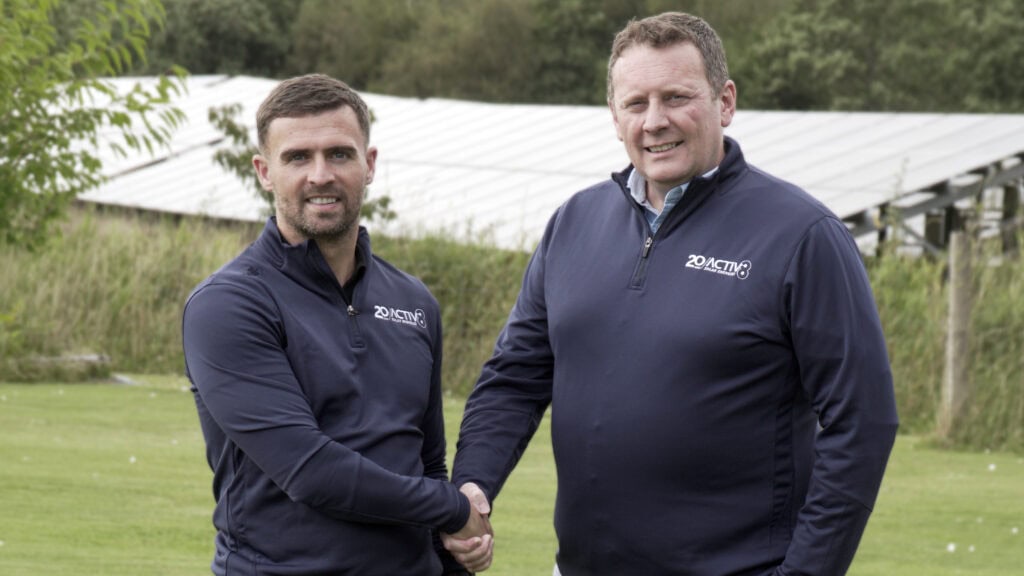
Benedict Ennis, MD Activ8 Energies UK with Ciaran Marron, CEO Activ8 Energies

Ciaran Marron, CEO of Activ8 Energies, said: 

“The business has earned an outstanding reputation in the UK by consistently delivering high-quality renewable energy projects and building long-term relationships with its customers. 

Becoming Activ8 Energies is a natural progression. It creates a single identity across our operations while better reflecting the scale of the organisation and the strength that sits behind our business today. 

Our strategic relationship with SSE has played a pivotal role in the growth of Activ8 Energies over recent years. Today, as we celebrate 20 years in business, we’re able to combine specialist renewable energy expertise with the capability, investment and long-term confidence that comes from being part of one of the UK’s leading energy groups.” 

Benedict Ennis, Managing Director, UK, Activ8 Energies, said: 

“This is an exciting milestone for our business and gives us a much stronger platform for growth in the UK. 

The people, the service and the relationships our customers value remain exactly the As Activ8 Energies, we can combine the agility and specialist expertise of our team with the wider capability of Activ8 and the strength and backing of SSE. That combination puts us in a very strong position to meet the growing ambitions of organisations looking to invest in renewable energy.” 

August 25, 2026

Remember the iconic Financial Regulator TV ad from the mid-2000s?

A man stands up on a Dublin bus and loudly announces:

“I don’t know what a tracker mortgage is.”

One by one, other passengers admit to things they don’t understand either.

The point wasn’t that anyone was foolish. Quite the opposite.

It was a reminder that lots of us quietly pretend to understand technical terms because we assume everyone else does.

“Solar PV” is probably one of those phrases today.

You’ll see it on installers’ websites, SEAI information, energy articles and news reports.

Some people know exactly what it means but many don’t, which is perfectly understandable.

So let’s answer one of the simplest –  and most common – questions homeowners ask.

What does Solar PV actually mean?

What Does PV Stand For? 

PV stands for Photovoltaic, which is a bit of a mouthful.

The term comes from two sources.

“Photo” refers to light and “Voltaic” relates to electricity.

Put the two together and photovoltaic simply describes the process of converting light into electricity.

Which is exactly what solar panels do.

So when someone talks about a Solar PV system, they’re simply referring to solar panels that generate electricity.

Is Solar PV the Same as Solar Panels? 

For most homeowners, yes, and the two terms are often used interchangeably.

If someone says they’re installing Solar PV, they almost certainly mean they’re installing solar panels that generate electricity for the home.

It’s industry terminology rather than a completely different technology.

What’s the Difference Between Solar PV and Solar Thermal? 

This is where some confusion can arise.

Solar PV generates your electricity, while solar thermal heats your water.

Years ago, solar thermal systems were relatively common in Ireland.

Today, most homeowners looking to reduce electricity bills are talking about Solar PV, which is why you’ll hear the term much more often.

Why Do Installers Say “Solar PV”? 

Mostly because that’s the technical name for the technology.

It’s a bit like saying “EV” instead of electric vehicle or “BER” instead of Building Energy Rating.

People working in the industry use the abbreviation every day.

Homeowners, understandably, often don’t.

The important thing to remember is that when an installer talks about Solar PV, they’re simply talking about solar panels that generate electricity.

Does Every Solar System Use PV? 

If you’re generating electricity from rooftop solar panels, then yes.

Every modern domestic solar electricity system uses photovoltaic technology.

Whether it’s a small system supplying part of a home’s electricity or a larger installation with battery storage and EV charging, the electricity itself is generated using photovoltaic cells.

Why Does the Term Matter? 

To be honest, it doesn’t matter very much.

You don’t need to remember the word photovoltaic to decide whether solar is right for your home.

But understanding the terminology does make researching solar a little easier.

Suddenly, phrases like “Solar PV installation,” “Solar PV grants,” “Solar PV system,” and “Solar PV installer” feel far less intimidating, as they’re all referring to essentially the same thing.

Don’t Be Put Off by the Jargon 

Every industry has its own language.

Mortgage brokers talk about LTVs. Car dealers mention PCPs.

The solar industry has PV, inverters, kWh and kWp.

It can feel like learning another language at first, but homeowners don’t need to become solar engineers.

They simply need enough information to make a confident decision about what’s right for their home.

A good installer should always explain the terminology rather than assume everybody already understands it.

Common Questions About Solar PV 

What does PV stand for in solar panels? 

PV stands for photovoltaic, which describes the process of converting daylight into electricity.

Is Solar PV the same as solar panels? 

For most homeowners, yes. Solar PV is simply the technical term for solar panels that generate electricity.

Is Solar PV the same as solar thermal? 

No. Solar PV generates electricity, while solar thermal systems heat water.

Why do installers call it Solar PV? 

Because photovoltaic is the technical name for the technology used in modern electricity-generating solar panels.

Thinking About Solar for Your Own Home? 

Understanding the terminology is only the first step.

With over 20 years’ experience and more than 25,000 installations across Ireland, Activ8 Solar Energies helps homeowners cut through the jargon and understand how solar works in real life.

If you’d like to learn more about solar panels, battery storage, EV charging, available grants and projected savings, you can get in touch with the Activ8 team here.

August 24, 2026

I’m in a constant battle with my mobile phone battery. It was sitting at 42% when I started writing this. By the time I came back to proof-read it, it’d dropped to 31%.

A mate of mine spends every long trip in his new electric vehicle wondering whether the charge will get him to his destination.

Battery anxiety has become part of modern life.

So it’s hardly surprising that one of the first questions homeowners ask about solar battery storage is: How long does it actually last?

Or, more specifically…Will it get me through the night?

Fair enough question as, after all, solar panels do most of their work during the day, while many households use a large proportion of their electricity after the sun has gone down.

The good news is that, for many homes, a battery can provide electricity well into the evening and sometimes right through until morning.

The honest answer, however, is the same one you’ll hear to many solar questions.

It kind of depends.

What Does a Solar Battery Actually Do? 

A solar battery stores excess electricity generated by your solar panels during the day instead of exporting it all back to the grid.

That stored electricity can then be used later, including during the evening and overnight when your panels are no longer producing power.

In simple terms, it allows you to use more of the electricity you’ve generated yourself rather than buying it back from the grid later.

So, How Long Will It Last? 

There’s no single answer because every household uses electricity differently.

A battery doesn’t empty based on time.

It empties based on what you’re asking it to power.

A home using a few lights, the television, Wi-Fi and charging a couple of phones during the evening will use far less electricity than a household running a heat pump, charging an EV and putting on a late-night load of washing.

That’s why two identical batteries can appear to last very different lengths of time in different homes.

What Uses the Most Electricity Overnight?

Many homeowners are surprised by where their electricity actually goes.

Some of the biggest overnight electricity users include heat pumps, electric vehicle charging, immersion heaters, electric showers, tumble dryers and electric heating.

By comparison, TVs, LED lighting, laptops, Wi-Fi routers and phone chargers use relatively modest amounts of electricity.

Understanding how your own household uses electricity is often more important than simply choosing the biggest battery available.

Can a Battery Power the Whole House?

Potentially, yes, but not indefinitely.

A battery isn’t designed to keep every appliance running continuously for days.

Instead, it’s there to reduce the amount of electricity you need to buy from the grid, particularly during the evening when your solar panels have stopped generating.

Exactly how long it lasts depends on both the size of the battery and how much electricity your home is using.

Does a Bigger Battery Mean It Lasts Longer?

Generally speaking, yes.

A larger battery can store more electricity than a smaller one but bigger isn’t automatically better.

The ideal battery is one that’s matched to both your solar generation and your household’s electricity usage.

Installing the largest battery available doesn’t always represent the best value if your home simply doesn’t need that much storage.

That’s why system design matters just as much as the battery itself.

Is Battery Storage Worth It in Ireland? 

For many homeowners, battery storage can significantly increase the amount of solar electricity they use themselves rather than exporting it back to the grid.

That can reduce electricity bills and improve the overall value of a solar system.

Whether battery storage is worthwhile depends on a range of factors, including how much electricity you use during the day, whether you’re usually at home, if you own or plan to buy an electric vehicle, whether a heat pump is part of your future plans, your electricity tariff and your overall household demand.

Every home is different, which is why there’s no one-size-fits-all answer.

So, Will a Solar Battery Last All Night?

For many households, it certainly can.

For others, it may provide power for part of the evening before additional electricity is drawn from the grid.

The important point is that battery performance depends far more on how much electricity you’re using than on how many hours have passed.

That’s why a professional assessment looks at your household’s energy habits rather than simply recommending the biggest battery available.

Common Questions About Solar Batteries 

Can a solar battery power my house all night?

It can for many households, but it depends on the battery size and how much electricity your home uses overnight.

What affects how long a solar battery lasts? 

The biggest factors are battery capacity and your household’s electricity consumption.

Does charging an electric vehicle drain a solar battery quickly?

Charging an EV uses considerably more electricity than most everyday household appliances, so it can reduce how long a battery lasts unless the system has been designed with that demand in mind.

Is a bigger battery always better?

Not necessarily. The best battery is one that’s properly matched to your home’s electricity usage and solar generation.

Thinking About Battery Storage for Your Own Home? 

Battery storage isn’t about trying to stay off-grid for days at a time.

It’s about making better use of the electricity your solar panels already generate.

With over 20 years’ experience and more than 25,000 installations across Ireland, Activ8 Solar Energies helps homeowners understand whether battery storage makes sense for their home, their electricity usage and their future plans.

If you’d like to explore battery storage, solar panels, EV charging, available grants and projected savings, you can get in touch with the Activ8 team here.

August 24, 2026

Most homeowners probably don’t spend much time thinking about health and safety paperwork when they decide to install solar panels.

They’re usually thinking about electricity bills, battery storage, SEAI grants or whether the roof gets enough sunlight, which is completely understandable.

But solar installation is still construction work.

There are people working at height, electrical systems being installed and multiple trades operating on-site over the course of the installation.

Which does raise a fairly obvious question: if something goes wrong during the installation, who’s actually responsible?

It’s not necessarily the first thing homeowners think about when researching solar panels in Ireland, but it’s still an important part of choosing the right installer.

Solar Installation Is Still Construction Work 

One thing many homeowners don’t initially realise is that solar installation involves far more than simply attaching a few panels to a roof.

Depending on the property, installations can involve scaffolding, roof access, electrical work, wiring, inverter installation and coordination between multiple trades.

That means solar projects still fall within wider construction safety regulations in Ireland.

And while homeowners understandably expect installers to manage all of that professionally, it’s still worth understanding how responsibility and site safety are actually handled during the project itself.

What Does PSCS Mean? 

PSCS stands for Project Supervisor Construction Stage.

It’s a role defined under Irish health and safety regulations for construction projects.

In simple terms, the PSCS is responsible for managing safety during the construction phase of a project. That includes coordinating work activities, managing on-site safety procedures and helping ensure work is carried out safely and properly throughout the installation.

For homeowners, the important thing is simply knowing somebody is clearly responsible for overseeing the installation properly from start to finish.

Why This Matters for Homeowners 

Most people installing solar panels simply want confidence that the work is being carried out professionally, safely and with proper oversight.

That’s where clearly defined responsibility becomes important.

If multiple contractors, roof workers and electricians are operating on-site, homeowners naturally want reassurance that somebody is actively managing the process and overseeing safety standards throughout the installation.

In reality, most homeowners will never directly deal with PSCS paperwork or construction compliance requirements themselves.

But knowing those responsibilities are being properly managed still provides an additional layer of reassurance around the installation process overall.

Not Every Solar Company Operates the Same Way

One thing homeowners often discover while researching solar is that installation models can vary quite a bit between companies.

Some providers manage installations entirely through their own in-house teams, while others rely more heavily on subcontractors and third-party crews.

That doesn’t automatically make one approach right or wrong, but it does make accountability and project oversight especially important.

Homeowners should feel comfortable asking who is managing the installation, who is responsible for safety on-site and who ultimately stands over the finished work.

The clearer those answers are upfront, the more confidence homeowners usually have throughout the project.

Why Experience and Oversight Matter 

Solar has grown rapidly in Ireland over the past few years, and the industry has become significantly busier as demand has increased.

That growth is positive overall, but it also means homeowners are increasingly trying to distinguish between providers based not just on price, but on experience, accountability and professionalism.

Activ8 Solar Energies operates as PSCS during installations, meaning responsibility for managing safety during the construction stage is clearly defined and professionally overseen throughout the project.

Combined with over 20 years of experience and more than 25,000 installations nationwide, that gives homeowners much greater clarity around who is managing the installation process from start to finish.

Solar Installation Should Feel Professional From Beginning to End 

For most homeowners, solar panels are a long-term investment.

Naturally, people want confidence not just in the panels themselves, but in the entire installation experience surrounding them.

That includes product quality, installation standards, aftercare support, project management and site safety throughout the installation process.

The technical side of solar can sometimes feel complicated enough already. Homeowners shouldn’t also feel uncertain about who is responsible for managing the work taking place on their property.

Common Questions About Solar Installation Safety

What does PSCS mean in solar installation? 

PSCS stands for Project Supervisor Construction Stage. It refers to the party responsible for managing safety during the construction phase of a project under Irish regulations.

Is solar panel installation considered construction work?

Yes. Solar installation can involve roof access, scaffolding, electrical work and multiple trades operating on-site, meaning construction safety regulations apply.

Should homeowners ask who is responsible for safety during installation? 

Yes. Homeowners should understand who is overseeing the installation process, managing site safety and standing over the work being carried out.

Do all solar companies manage installations the same way? 

No. Some companies use their own in-house installation teams, while others rely more heavily on subcontractors or external crews.

Thinking About Solar for Your Own Home? 

If you’re considering solar panels, it’s worth looking beyond just electricity savings and understanding how the installation process itself is managed as well.

With over 20 years’ experience and more than 25,000 installations across Ireland, Activ8 Solar Energies manages projects professionally from start to finish, helping homeowners feel confident not just in the solar system being installed, but in the process surrounding it too.

If you’d like to learn more about solar panels, battery storage, EV charging or how solar installation works for your own home, you can get in touch with the Activ8 team here.

August 23, 2026

In an era of online terms and conditions, streaming subscriptions, budget airline add-ons and endless small print, most of us have probably become a little too comfortable clicking “accept” without reading everything properly. Usually, that doesn’t matter too much.

But occasionally it can come back to bite – particularly with larger financial decisions like car finance, home renovations and yes, solar panel installations.

That’s not because solar contracts are designed to catch people out. In most cases, they’re fairly straightforward.

But by the time homeowners reach the signing stage, they’ve often already spent weeks researching grants, savings, batteries and installers. The excitement has kicked in.

And naturally enough, the paperwork itself can end up getting less attention than it probably deserves.

Check Exactly What Products Are Being Installed

One of the most important things homeowners should check is whether the exact products being quoted are clearly stated in writing.

That includes the solar panels themselves, the inverter, any battery storage system and monitoring equipment.

Most homeowners understandably spend time researching brands, warranties and product quality before deciding to move ahead. But supply chain shortages and stock issues have become more common across the industry in recent years.

That has occasionally led to situations where homeowners agree to one product during the sales process, only for a different panel or inverter to appear on installation day.

That’s why it’s important to check whether the contract clearly specifies exactly what products are being installed and whether substitutions are possible.

Activ8 Solar Energies, for example, proudly stands behind its own Atlas Duo solar panel range with a 25-year product warranty and a 30-year performance warranty, giving homeowners much greater confidence in exactly what’s being installed on their roof.

Check Who Will Actually Be Carrying Out the Installation

Many homeowners naturally assume the company they’re buying from will also be carrying out the installation itself. That isn’t always the case.

Some solar providers subcontract installation work to external crews, while others use their own in-house teams.

That’s an important distinction because homeowners should understand exactly who will be working on the roof, overseeing the installation and ultimately standing over the quality of the finished system.

For many people, there’s added reassurance in knowing the installation is being handled directly by experienced in-house teams rather than passed between multiple contractors.

Activ8 Solar Energies uses its own in-house installation teams across Ireland, helping ensure greater consistency, oversight and quality control throughout every stage of the process.

Check What’s Actually Included in the Price 

Solar quotes can sometimes look similar at first glance while covering very different things.

That’s why homeowners should carefully check exactly what’s included in the quoted price.

For example, does the price include scaffolding, BER paperwork, monitoring systems, grant administration and all installation work? Are there additional costs if electrical upgrades are needed? Is battery compatibility included if you decide to expand the system later?

These aren’t necessarily red flags. But they are the kind of details homeowners should understand clearly before signing anything.

The more transparent the contract is upfront, the fewer surprises tend to arise later.

Check the Warranty Terms Carefully 

Most homeowners ask whether a solar system comes with a warranty.

Fewer take time to properly understand what the warranty actually covers and that distinction matters.

There’s often a difference between product warranties, performance warranties, workmanship warranties and ongoing aftercare support.

It’s worth checking how long each part of the system is covered for, who handles warranty claims and what happens if a fault develops several years after installation.

Solar panels are a long-term investment, so homeowners naturally want confidence that support will still exist well into the future.

Check the Estimated Timelines 

Another thing worth reviewing carefully is the expected installation timeline.

Most homeowners understandably focus on the installation date itself, but solar projects can also involve surveys, paperwork, grant approvals and ESB Networks processes.

That means timelines can vary depending on demand, weather conditions and grid applications.

A good installer should explain the expected process clearly rather than giving vague or unrealistic promises around completion dates.

Check Whether the System Can Expand Later

Electricity usage has changed dramatically in Irish homes over the past few years.

Many households that originally only wanted solar panels are now considering battery storage, EV charging and heat pumps as well.

That’s why it’s worth checking whether the proposed system allows for future expansion if household electricity needs change later.

Even if homeowners don’t plan to add batteries or an EV immediately, understanding future compatibility now can help avoid limitations further down the line.

Check Who Is Responsible for Safety During Installation 

Most homeowners understandably focus on the solar system itself, but it’s also important to understand who is responsible for safety and compliance while work is taking place on the property.

Solar installation is still construction work involving roof access, electrical work and multiple trades operating on-site.

That’s why homeowners should feel comfortable asking who holds responsibility for site safety, compliance and project oversight during installation.

Activ8 Solar Energies operates as PSCS (Project Supervisor Construction Stage), meaning responsibility for managing safety during the construction phase is clearly defined and professionally overseen.

For homeowners, that provides an additional level of reassurance that the installation process is being managed properly from start to finish.

Don’t Rely on Verbal Promises Alone 

This is probably one of the simplest but most important points.

If something matters to you, make sure it’s clearly reflected in writing.

That could include specific products, installation timelines, battery compatibility, warranty details, monitoring systems or agreed pricing.

Most installation issues don’t happen because anybody deliberately misled a homeowner. They happen because assumptions were made or expectations weren’t clearly documented upfront.

A good solar contract shouldn’t feel rushed, confusing or deliberately technical.

Homeowners should feel clear about exactly what’s being installed, who’s installing it, what’s covered and what happens afterwards.

Common Questions About Solar Install Contracts 

What should be included in a solar installation contract? 

A solar contract should clearly outline the products being installed, warranties, pricing, timelines, installation details and any responsibilities around grants or paperwork.

Can solar installers change the panel brand after signing? 

Some contracts allow for substitutions depending on stock availability. That’s why homeowners should check whether the exact products are clearly specified in writing.

Should I check whether installers use subcontractors? 

Yes. Homeowners should understand who will actually be carrying out the installation work and who is responsible for the finished system.

What happens if something goes wrong after installation? 

That depends on the installer, warranty terms and aftercare support provided. It’s important to understand who handles faults, warranty claims and future support before signing.

Thinking About Solar for Your Own Home? 

If you’re considering solar panels, taking time to properly understand the contract and installation process upfront can make the entire experience much clearer and less stressful.

With over 20 years’ experience and more than 25,000 installations across Ireland, Activ8 Solar Energies helps homeowners understand exactly what’s being installed, how systems are designed and what makes sense for their own long-term energy goals.

If you’d like to learn more about solar panels, battery storage, EV charging or what a system could look like for your own home, you can get in touch with the Activ8 team here.

August 22, 2026