

Activ8 Solar Energies Blog

All the latest solar related news in Ireland and around the world

Latest News

Featured News

Our News & Blog

All News & Blogs

All the latest solar related news in Ireland and around the world

When it comes to investing in solar panels and battery storage, it’s important to view them as part of a holistic energy solution. For Irish homeowners, the decision to go solar is about more than cutting electricity bills; it’s about ensuring a reliable, protected energy system that will serve your home for decades.

At Activ8 Solar Energies, we understand these priorities. That’s why we’ve engineered a complete solution built on three core pillars: proven performance, rigorous safety standards, and dedicated aftercare support that protects your investment for the long term.

Activ8 Solar Energies are Ireland’s solar experts celebrating our 20th year in business with over 25,000 installations on the island of Ireland.

‍Why Solar Panels and Battery Storage Matter in 2026

‍

‍The case for solar panels and battery storage has never been stronger in Ireland. With electricity costs continuing to rise and energy independence becoming increasingly valuable, homeowners are turning to solar solutions to regain control of their power supply.

But not all systems are created equally. The choice between basic solar and a fully integrated solar and battery solution depends on your lifestyle, your electricity consumption patterns, and most importantly—your need for energy security.

Solar panels alone capture sunlight during the day and can send excess power back to the grid. Add battery storage, and you gain the ability to store that energy and use it when you need it most— during evening peak rates, on cloudy days or even during a power outage.

For homeowners, this combination delivers tangible peace of mind.

‍The Activ8 Difference: Atlas Panels Built for Irish Weather

‍

‍One reason Activ8 Solar Energies has earned the trust of over 25,000 Irish homeowners is our commitment to engineering solutions specifically for Ireland’s climate. The ATLAS Duo N-Type solar panel is engineered in Ireland by Activ8 and designed to perform in conditions that would challenge ordinary panels. Our panels are built to:

• Withstand winds up to 290 km/h

• Resist salt mist and ammonia, ideal for coastal and rural properties

• Generate power in overcast weather using N-Type bifacial technology

• Deliver reliable output long-term, backed by an industry-leading 32-year performance guarantee

‍

‍These aren’t generic panels repackaged for Ireland. ATLAS panels are designed with Irish weather patterns in mind—rain, coastal salt spray, strong winds, and low-light conditions.

We advise homeowners not to buy solar panels or have them installed if they do not know the make and model number. Make sure you ask your installer first.

‍Battery Storage You Can Trust: Duracell Energy Partnership

‍

‍When you add battery storage to your solar system, you’re making a choice about reliability. That’s why Activ8 has partnered exclusively with Duracell Energy as our Platinum Partner in Ireland.

The Duracell Dura5 battery uses LiFePO4 chemistry, widely recognised for safety and long life.

Key benefits include:

• 5.12 kWh capacity

• 10-year warranty

• 1C charge/discharge rating for fast performance

• Up to 8,000 cycles • Modular expansion options

• Smart monitoring via app

• Flexible installation options with IP-rated protection

‍Real Savings: The Numbers Behind Solar and Battery

‍

‍With an Activ8 solar and battery system, homeowners may: • Save up to 75% on electricity bills • Earn value for surplus export depending on tariff and eligibility • Claim the €1,800 SEAI Solar PV Grant • Pay 0% VAT on solar installations Payback varies depending on home usage, system size and export behaviour, but for many homeowners solar becomes a long-term hedge against rising electricity costs.

Security, Standards, and Aftercare: The Foundation of Trust

Triple-Lock Guarantee on ATLAS Panels

‍

‍Your investment is supported by multiple layers of assurance to protect long-term system performance.

‍No Subcontractors

‍

‍Activ8 handles every step—survey, installation, commissioning, and aftercare—with our own team.

‍Dedicated Aftercare Support

‍

‍After installation, you benefit from:

• Dedicated support

• Remote monitoring capability

• Proactive maintenance options

‍The SEAI Grant and VAT Relief Make Going Solar Affordable Now

‍

‍In 2026, Irish homeowners can access:

‍• €1,800 SEAI Solar PV Grant

‍• 0% VAT on solar installation and equipment

Activ8 can assist with paperwork and guidance so homeowners receive the full benefit.

‍Why Over 25,000 Irish Homeowners Choose Activ8

‍

‍• 25,000+ installations across Ireland

• 4.8/5 TrustPilot rating (nearly 3,000 verified reviews)

• 4.7/5 Google rating (1,000+ local reviews)

• Strong record of SEAI grant-approved installs

• Celebrating 20 years in business

‍Frequently Asked Questions About Solar Panels and Battery Storage

How long do solar panels and batteries actually last?

ATLAS panels are backed by a 32-year performance guarantee and typically last decades. Duracell Dura5 batteries offer 8,000+ cycles and can last 20+ years with proper use.

What happens to my energy storage on cloudy days?

ATLAS panels generate power even in low light. On very cloudy days, your battery provides stored energy. If the battery runs low, you draw from the grid as normal.

Can I add more batteries later if I want to?

Yes. Duracell Dura5 batteries are modular. You can expand your storage later based on usage.  

What if my system needs repair?

Activ8 handles repairs and maintenance with dedicated support and remote diagnostics where possible.

Do I still benefit from the grid connection?

Yes. The grid

Take Control of Your Energy Future

‍

‍Investing in solar panels and battery storage isn’t just about saving money — it’s about energy security, independence and long-term peace of mind.

With ATLAS solar panels engineered for Irish weather, Duracell battery storage, and Activ8’s commitment to standards and aftercare, you’re investing in a system built to last.

January 26, 2026

Solar PV Inverter: What It Is and Why It Matters

‍

‍Choosing the right inverter is one of the most important parts of any solar installation. Your inverter controls how efficiently your home can use the solar energy generated on your roof — and it directly impacts long-term performance and reliability.

Activ8 Solar Energies are Ireland’s solar experts celebrating our 20th year in business with over 25,000 installations on the island of Ireland, and we install proven inverter technology designed for Irish homes.

‍What Is a Solar PV Inverter?

‍

‍Solar panels produce DC electricity, while homes in Ireland use AC electricity.

A solar PV inverter converts DC into AC, so your home can safely use the solar energy you generate.

‍What Does a Solar PV Inverter Do?

‍

‍A solar PV inverter typically:

• Converts solar power into usable household electricity

• Helps your system run efficiently

• Allows performance monitoring (often via an app)

• Includes safety shut-off features

‍The Inverter Activ8 Uses: Solis S6-GR1P (2.5–6)K

‍

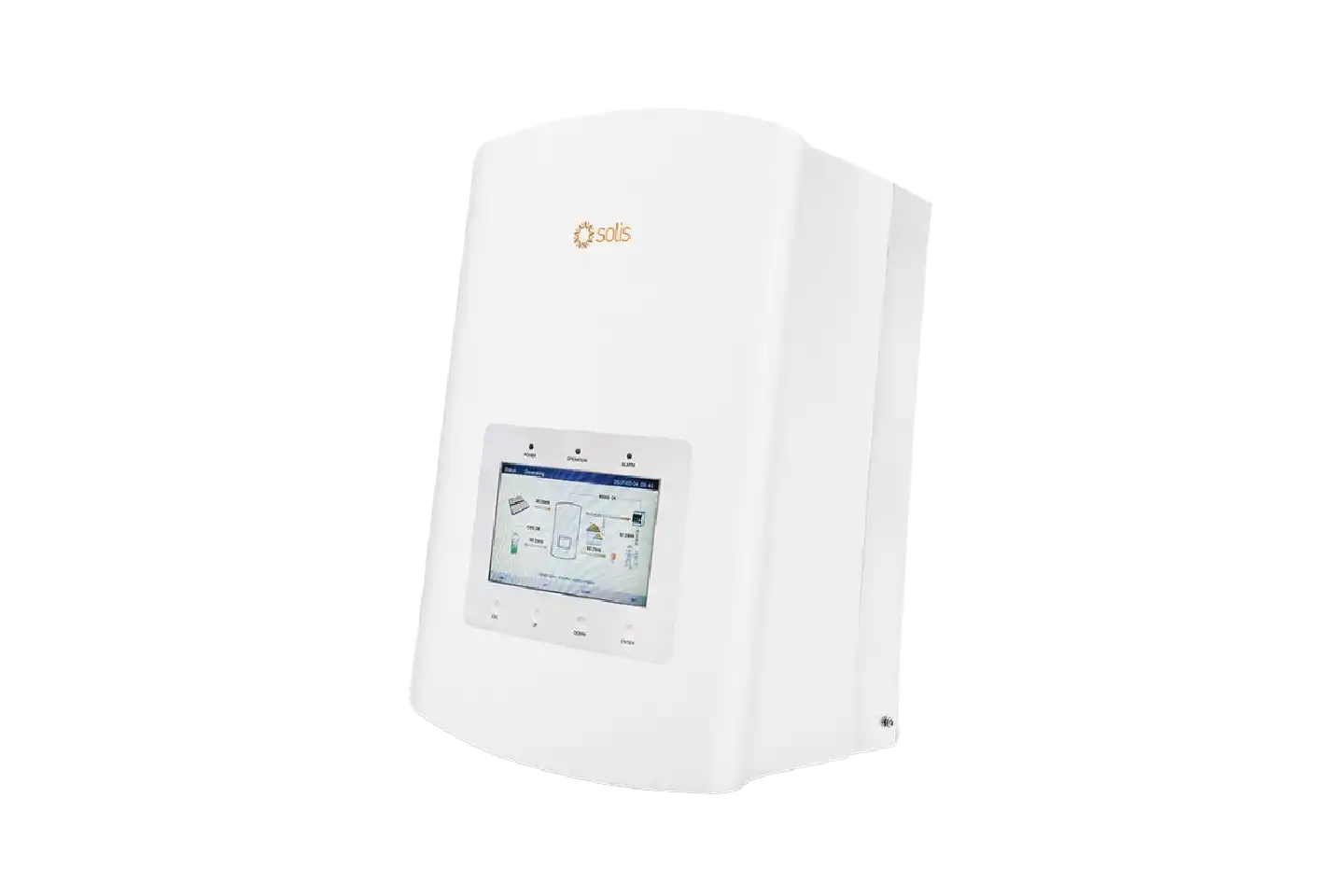
‍At Activ8 Solar Energies, we use the Solis S6-GR1P(2.5–6)K inverter, designed for residential solar PV systems.

Key Benefits of the Solis S6-GR1P Inverter

High Efficiency for Better Savings

‍

‍Up to 97.7% maximum efficiency, helping you get more usable energy from your solar panels.

‍Supports Modern High-Output Panels

‍

‍With string current up to 14A, it supports today’s residential PV panels.

‍Wide Voltage Range and Low Start-Up Voltage

‍Improves generation performance across changing sunlight conditions.

‍2 MPPT Design

‍

‍A 2 MPPT setup can help optimise generation across different roof orientations.

‍Integrated Export Power Manager (EPM)

‍

‍Helps manage export output where required.

‍Safety and Protection

‍

‍Includes safety functions such as:

• Integrated AFCI (DC arc-fault circuit protection)

• Surge protection

• Anti-islanding protection

• Temperature protection

‍Built for Irish Conditions

‍

‍With an IP66 rating, it’s suitable for challenging weather and installation environments.

‍What System Sizes Does It Support?

‍The Solis S6-GR1P range includes models from 2.5kW up to 6kW, suitable for most residential solar PV installations.

‍Get Expert Advice From Activ8

The best inverter is the one matched correctly to your roof, system size and future energy goals.

Contact Activ8 Solar Energies for a tailored solar quote and advice.

January 26, 2026

Making Money From Solar Panels in Ireland: How It Works (And How Homeowners Maximise Returns)

‍

‍When most people think about solar panels, they think about one main benefit: lower electricity bills. But there’s another side to residential solar that more Irish homeowners are starting to explore — making money from solar panels.

Solar won’t turn your home into a commercial power station overnight, but it can deliver real financial benefits through:

• Lower electricity bills

• Exporting surplus energy back to the grid

• SEAI grants

• 0% VAT

• Referral rewards

At Activ8 Solar Energies, we’re Ireland’s solar experts celebrating our 20th year in business with over 25,000 installations on the island of Ireland, helping homeowners maximise solar performance and returns.

‍Can You Really Make Money From Solar Panels?

‍

‍Yes — but it’s important to understand how.

Solar “earnings” usually come in two forms:

‍• Savings: using your own electricity instead of buying it

‍• Returns: exporting surplus energy and earning value back

For most households, the strongest benefit is still lowering bills — but export payments and incentives can increase overall value significantly.

‍Earn More by Exporting Surplus Solar Energy

‍

‍A solar PV system often generates most electricity during the day. If you’re not using all your solar electricity (for example while out at work), that surplus electricity can be exported to the grid.

Exporting doesn’t replace your bill entirely — but it helps improve the overall economics of solar and can shorten your payback period depending on your setup and tariff.

‍Activ8 Customers: Premium 32c Export Rate Opportunity

‍

‍From 1st September 2025, new Activ8 customers installed on or after that date who switch to SSE Airtricity can access Ireland’s best export rate of 32c per kWh for surplus electricity exported to the grid.

This premium export incentive is designed to help homeowners get more value from the electricity they generate but don’t immediately use.

‍Save Money by Using Solar Electricity at Home

‍

‍The biggest financial win from solar still comes from using the electricity you generate in your own home.

Every time your solar PV system powers:

• Lights and sockets

• Fridge/freezer

• Cooking appliances

• Washing machine / dishwasher

• Home office equipment

• EV charging (if applicable) …you reduce what you buy from the grid.

Over time, these savings are what make solar such a strong long-term investment for Irish homeowners.

‍SEAI Grants and 0% VAT Boost Your Return

‍

‍If you’re looking at making money from solar panels in Ireland, it’s not just export rates that matter. The upfront incentives can dramatically improve overall payback.

‍SEAI Solar PV Grant (Up to €1,800)

‍

‍Eligible homeowners can claim up to €1,800 through the SEAI Solar PV Grant, reducing initial costs.

0% VAT on Solar Installations

‍

‍Solar installations currently benefit from 0% VAT, improving affordability and long-term returns.

‍Earn Extra Through the Activ8 Referral Scheme

‍

‍Activ8 also offers a referral reward system that pays customers for recommending solar to friends and family.

‍Earn €250 per successful referral

‍

‍• €25 when your referral sits an appointment

• €225 if they proceed with an installation

• €250 total per completed referral

‍Earn up to €8,000 off your system

‍

Refer six people who go on to install solar with us and you could earn up to €8,000 off the price of your Activ8 solar system.

‍Tips to Maximise Solar Earnings

‍

‍Here are a few smart ways to increase the value of your solar PV system:

‍Use power during daylight hours

‍

‍Running appliances during the day helps you consume more solar energy and rely less on grid electricity.

‍Choose the right-sized system

‍

‍The best returns come from a system designed around your actual home usage.

‍Consider battery storage

‍

‍Battery storage can increase self-consumption and help you use more of your solar energy in the evening.

‍Understand your export potential

‍

‍Homes that generate regular surplus energy may benefit most from premium export incentives.

Is Making Money From Solar Panels Worth It?

‍

‍For many homeowners, yes — because you can combine:

• Long-term bill savings

• Export value on surplus electricity

• SEAI support • 0% VAT savings

• Referral rewards

Activ8 Solar Energies are Ireland’s solar experts celebrating our 20th year in business with over 25,000 installations on the island of Ireland, helping homeowners install solar systems designed for maximum performance and value.

‍Talk to Activ8 About Going Solar

‍

‍If you’re interested in making money from solar panels, the best first step is getting a tailored quote based on your home, roof and electricity usage.

Contact Activ8 Solar Energies to learn more about:

• solar PV system options

• export payments and eligibility

• SEAI grants and solar incentives

• the Activ8 referral programme

‍FAQ: Making Money From Solar Panels

Can you really make money from solar panels in Ireland?

‍

‍Yes. Most homeowners earn value through bill savings and may also benefit from export payments depending on tariff and eligibility.

‍How do solar export payments work?

‍

‍If your system generates more electricity than you use, the surplus can be exported to the grid and paid at your supplier’s export rate.

‍Do SEAI grants apply to solar panels?

‍

‍Yes. Eligible homeowners may receive up to €1,800 via the SEAI Solar PV Grant.

How does the Activ8 referral scheme work?

‍

‍You can earn €25 when a referral sits an appointment and an additional €225 if they install solar with Activ8 (total €250 per successful referral). Refer six people who go on to install solar with us and you could earn up to €8,000 off the price of your Activ8 solar system.

January 26, 2026

How Long Does It Take to Install Solar Panels?

If you’re thinking about solar for your home, one of the first questions you’ll ask is: how long does it take to install solar panels?

‍

‍The good news is that for most homes in Ireland, solar panel installation is quicker and simpler than people expect. In fact, with an experienced team and a well-planned process, it can be completed with minimal disruption to your household.

At Activ8 Solar Energies, the majority of residential solar installs are completed in just one day — and we’re proud to be Ireland’s solar experts celebrating our 20th year in business with over 25,000 installations on the island of Ireland.

This guide explains what happens on installation day, what factors can affect installation time, and how you can prepare for a smooth solar install.

‍Solar Panel Installation Time with Activ8 (Typical Timeline)

‍

‍For a standard residential solar system, the installation usually takes one day.

In most cases, our team will:

‍• Arrive at 8:00am

‍• Complete the installation by the afternoon

‍• Leave your home spotless and tidy

Homeowners are often surprised by how straightforward the full process is when it’s handled by an experienced solar installer.

‍What Happens During a One-Day Solar Panel Installation?

‍

‍A typical one-day installation includes the key steps needed to get your solar PV system fitted and ready to operate safely.

Fitting the Roof Mounting System

‍

‍Your installers will securely fit the mounting rails that your solar panels attach to. This ensures the system is stable, weather-resistant, and fitted correctly for long-term performance.

‍Installing the Solar Panels

‍

‍Once the mounting is in place, the solar panels are installed and aligned for optimal generation based on your roof layout.

‍Electrical Work and Connections

‍

‍The system is wired safely, with all necessary protections, to connect your solar PV system to your home’s electrical supply.

‍Installing the Inverter and Monitoring

‍

‍The inverter is a critical part of the system, converting solar energy into usable electricity for your home. Monitoring can also be set up so you can track performance and generation.

‍Testing and Final Checks

‍

‍Before the job is complete, the installation is tested to make sure everything is working correctly and safely.

‍Clean-Up and Handover

‍

‍Our team finishes by leaving your property clean and tidy — no mess, no disruption, and no hassle.

‍What Happens Before Installation Day?

‍

‍Although solar panels are typically installed in one day, there are a few key steps that happen before the installers arrive.

These can include:

• A home survey to confirm roof suitability and inverter location

• System design based on your roof and estimated electricity usage

• Scheduling the installation date

• Support with SEAI grant paperwork (where applicable)

At Activ8, we focus on preparation, because a well-planned install is faster, safer and ensures the system performs as expected long-term.

Do I Need to Be Home During Installation?

‍

‍In most cases, yes — it’s best to have someone at home on installation day. This allows:

• Access to the home and consumer unit area

• Confirmation on final inverter positioning

• A quick system handover before the team leaves

Our installers work efficiently and respectfully so disruption is kept to a minimum.

‍Will My Power Be Turned Off?

‍

‍Some electrical work may require brief isolation of power for safety. If that’s needed:

• It’s usually short

• You’ll be informed in advance

• Everything is tested and confirmed safe before the team leaves

‍Why Some Solar Installations Take Longer Than One Day

‍

‍Most installations are completed within one day, but a longer installation may be required if:

• A roof is complex, steep or difficult to access

• You’re installing a larger system

• You’re adding battery storage at the same time

• Electrical upgrades are required

• Poor weather creates safety issues

If any of these apply, Activ8 Solar Energies will confirm timelines clearly in advance.

‍When Will My Solar System Start Saving Money?

‍

‍Once the system is installed and commissioned, it begins generating electricity immediately during daylight hours. That means you can begin seeing benefits right away by powering your home using solar instead of grid electricity.

Ready to Install Solar Panels?

‍

‍If you want a smooth, professional install carried out quickly, Activ8 Solar Energies can help.

We’re Ireland’s solar experts celebrating our 20th year in business with over 25,000 installations on the island of Ireland, and most of our home installations are completed in one day — arriving at 8am and finished by the afternoon, leaving your home spotless.

Contact Activ8 Solar Energies today to request a quote and confirm installation time for your home.

‍FAQ: Solar Panel Installation

How long does it take to install solar panels in Ireland?

‍

‍Most residential solar installs can be completed in one day, depending on the system size and roof layout.

‍Do installers arrive early?

‍

‍Yes. Activ8 typically arrives at 8:00am and completes installation by the afternoon.

‍Will the installers leave the house tidy?

‍

‍Yes. Activ8 teams clean up fully and leave your home spotless.

‍Can solar panels be installed in winter?

‍

‍Yes. Solar can be installed year-round, although extreme weather may affect scheduling.

January 26, 2026

What Does Solar Photovoltaic (PV) Mean? An Energy Guide for Homeowners

If you’ve been researching ways to reduce your electricity bills or are considering the SEAI grant, you’ve likely encountered the term “solar PV” or “photovoltaic system.” The terminology can feel technical at first, but understanding what photovoltaic actually means helps you make informed decisions about whether solar energy suits your home.

Solar photovoltaic technology has become increasingly accessible for Irish households. The combination of improving panel efficiency, government grants, and rising electricity costs means more homeowners are exploring this option. Before you decide whether solar is right for your property, it helps to understand exactly what you’re installing and how the technology works.

Understanding the Basics: The Definition of Photovoltaic

The word “photovoltaic” comes from two parts: “photo,” meaning light, and “voltaic,” referring to electricity. Put simply, photovoltaic technology converts light directly into electrical energy. This happens through specially designed materials that generate an electric current when exposed to sunlight.

When people refer to “solar PV,” they’re talking about panels that produce electricity. This distinguishes them from solar thermal systems, which use heat to warm water. A photovoltaic PV system on your roof captures daylight and turns it into usable electricity for your home. You can power your lights, appliances, heating system, and electric vehicle from the energy your panels generate.

The technology behind solar PV has evolved significantly over the past decade. Modern panels, like ATLAS PV solar panels engineered specifically for Irish conditions, deliver reliable performance even on overcast days. The efficiency improvements mean your system generates meaningful electricity throughout the year, not just during summer months.

How Does a Solar Photovoltaic System Work?

A solar photovoltaic system operates through a straightforward process. Your panels capture daylight, convert it into direct current (DC) electricity, and then transform that DC power into alternating current (AC) electricity that runs your household appliances.

During daylight hours, your home uses the electricity your panels generate. When your panels produce more than you need, the surplus electricity can either charge a battery storage system or export to the grid. SSE Airtricity offers the highest microgeneration export rate in Ireland exclusively to Activ8 customers, which means you receive payment for the excess energy your system produces.

The Science Behind the Silicon

Solar panels contain photovoltaic cells made primarily from silicon, a semiconductor material. When sunlight hits these solar cells, the energy from the light knocks electrons loose from the silicon atoms. This movement of electrons creates an electrical current that flows through the cell.

Each panel contains multiple cells connected together to increase the voltage and current output. The quality and purity of the silicon, along with the cell design, determine how efficiently the panel converts light into electricity. Premium panels incorporate advanced cell technology that maximises energy capture across different light conditions.

The panels on your roof don’t need direct sunlight to work. They respond to daylight, which means they continue generating electricity on cloudy days. Irish weather provides sufficient light for solar PV systems to deliver substantial energy production throughout the year.

Converting Energy: The Role of the Inverter

Your solar photovoltaic system requires an inverter to make the electricity usable in your home. The panels generate DC electricity, but your appliances run on AC electricity. The inverter handles this conversion.

Modern inverters also monitor your system’s performance. They track the amount of energy your panels generate, optimize the power output, and can alert you to any issues. Some inverters include smart features that help you understand your energy production patterns and make better decisions about when to run high-consumption appliances.

The inverter represents a critical component of your system. Quality matters here because the inverter directly affects how much of your panel’s potential energy production you actually capture and use.

The Core Components of Photovoltaic PV Systems

A complete solar PV installation includes several key elements working together:

Solar panels  

These panels mount on your roof or property and capture daylight. ATLAS panels, designed and tested for Irish weather conditions, deliver consistent performance across varying light levels. The number and size of panels you need depend on your roof space, energy consumption, and budget. ATLAS panels have a 30-year performance warranty and 25-year product warranty.

The inverter  

This device converts DC electricity from your panels into AC electricity for your home. It also manages the flow of electricity and monitors system performance. String inverters are used on systems without batteries, hybrid inverters are used for systems with a battery included. Activ8 use Solis inverters with a 10 year warranty for their customers.

‍

Mounting equipment

This secures your panels to your roof structure. Professional installation ensures the mounting system withstands Irish wind and weather conditions while maintaining proper drainage and roof integrity.

Monitoring systems

These let you track your energy production and consumption. You can see in real time how much electricity your panels generate, how much your home uses, and how much surplus energy you’re exporting or storing. Activ8 also has access to this data through a Wifi dongle installed on every inverter.

Optional battery storage

This allows you to store excess electricity for use after dark or during periods of high demand. Battery systems increase your energy independence and help you maximize the value of your solar investment. Activ8 use Duracell Energy batteries and are Duracell’s exclusive platinum partner in Ireland. This mean Duracell batteries come with a 10-year warranty for Activ8 customers.

Does Solar PV Work in the Irish Climate?

The Irish climate presents specific conditions for solar energy. While Ireland doesn’t receive Mediterranean sunshine levels, photovoltaic technology has advanced to the point where Irish installations deliver strong returns on investment.

Solar panels respond to daylight rather than heat. Ireland receives sufficient daylight throughout the year to make solar PV economically viable. Modern panels generate electricity even on overcast days because they capture diffuse light as well as direct sunlight.

Several factors specific to Irish conditions support solar PV adoption:

Daylight hours vary significantly by season

Your panels produce maximum output during long summer days, with reduced but still meaningful production during shorter winter days. Annual production averages out to deliver substantial savings.

Roof orientation affects output but doesn’t eliminate viability

South-facing roofs capture the most sunlight, and east and west orientations still work effectively. East-facing systems produce more morning electricity, while west-facing installations peak in the afternoon and evening.

Local weather patterns create predictable production

After your system has operated for a few months, you’ll understand your typical production patterns. This knowledge helps you optimize when to run high-consumption appliances, such as washing machines, or charge your electric vehicle.

Grid connection provides backup  

Your home remains connected to the electricity grid, which supplies power when your panels aren’t generating enough to meet your needs. This hybrid approach gives you the benefits of solar without requiring complete energy independence.

The typical payback period for a solar PV system in Ireland ranges from 5 to 7 years. After this point, the electricity your panels generate represents pure savings. ATLAS panels have a 30-year performance warranty and 25-year product warranty, meaning your system delivers decades of reduced energy costs.

Is Solar PV Right for You?

Several considerations help determine whether a photovoltaic PV system suits your situation:

  • Energy consumption patterns matter. Households with higher electricity usage see faster returns on their solar investment. If you’re home during the day, run an electric vehicle, or use electric heating, solar PV becomes particularly attractive.
  • Roof suitability affects system design. You need adequate roof space with appropriate orientation and minimal shading. Professional assessment determines the optimal panel placement and system size for your property.
  • Financial considerations include multiple factors. The SEAI provides a grant of €1,800 toward solar PV installation. If you charge an electric vehicle from your solar system, you can claim an additional €300 grant. These grants reduce your upfront investment.

Beyond grants, the value proposition includes:

  • Reduced electricity bills from day one
  • Protection against rising energy costs
  • Payment for exported electricity at €0.32 per kWh through SSE Airtricity
  • Increased property value
  • Reduced carbon footprint

Solar PV represents a long-term investment in your property and energy independence. The panels require minimal maintenance and continue generating electricity for 30 years or more.

Residential solar panels have become a practical option for homeowners. The technology has matured, costs have decreased, and government support makes the investment more accessible.

Choose Activ8 Energies as Your Solar PV Provider

Understanding what photovoltaic technology means helps you evaluate solar options with confidence. The technology converts sunlight into electricity through silicon cells, providing clean energy that reduces your bills and environmental impact.

We design and install solar photovoltaic systems specifically for Irish conditions. Our ATLAS PV solar panels deliver reliable performance across all weather conditions, backed by comprehensive warranties and local support.

Whether you’re considering residential solar panels for your home or commercial solar panels for your business, we can help you understand your options and design a system that matches your needs and budget. Our team handles everything from initial assessment through installation and ongoing support.

Find out how much you could save with solar PV. Get in touch with our experts to discuss your property, review your energy usage, and receive a detailed proposal  for your solar installation.

January 20, 2026

Solar Panel Sizes Explained: A Guide for Irish Homeowners

Making the switch to solar energy brings plenty of questions, and one of the most practical concerns for homeowners across Ireland is straightforward: will solar panels actually fit on my roof? The answer depends on understanding modern panel dimensions and how your roof space translates into energy production.

For homeowners living in semi-detached houses, dormer bungalows, or terraced homes, roof space often feels limited. The good news is that modern solar technology has evolved considerably, and today’s panels deliver more power from less space than ever before. This guide breaks down the physical dimensions of solar panels, explains the factors that impact your installation needs, and shows you how to maximise the use of your available roof area.

Why Solar Panel Dimensions Matter

The size of solar panels directly affects the number you can fit on your roof and the amount of electricity you can generate. Getting the dimensions right from the start means avoiding disappointment later and maximising your investment in renewable energy.

Roof Size

Your available roof space sets the parameters for your solar installation. A typical semi-detached house might have 30-50 square meters of suitable roof area, while a terraced house could have 20-35 square meters. These figures account for obstacles like chimneys, skylights, and the edges of your roof where panels cannot be installed.

Modern panels measure roughly 1.7 to 2 meters in length and about 1.1 meters in width. This means each panel occupies approximately 1.7 to 2 square meters of roof space. For a standard residential system, you’ll need to account for spacing between panels for proper airflow and mounting hardware, which typically adds about 10-15% to your total space requirements.

Roof Orientation

South-facing roofs capture the most sunlight throughout the day, but east and west-facing roofs can still deliver excellent results in Ireland. The orientation of your roof influences how you position panels and may affect the total number of panels you can install. A south-facing roof allows for optimal panel arrangement, while split installations across different roof planes might reduce the total panel count but still meet your energy needs.

Roof pitch matters too. Most Irish homes have pitched roofs between 30 and 45 degrees, which works well for solar panel installation. Panels mounted on these angles can self-clean during rainfall and maintain optimal positioning for capturing light year-round.

How Many Solar Panels Do I Need?

Your household’s electricity consumption determines the size of your solar system. An average Irish home uses between 4,000 and 5,000 kWh annually.  

For most Irish households, a 4 kW system (roughly 8-10 panels) covers a significant portion of electricity needs. Larger families or homes with electric heating might benefit from a 5-7 kW system (12-15 panels). The exact number depends on your energy usage patterns, available roof space, and your goals for energy independence.

Working with an experienced installer helps you strike the right balance. Oversizing your system might strain your budget unnecessarily, while undersizing leaves potential savings on the table.

What Size Are Solar Panels in Ireland?

Solar panel dimensions have largely standardized around the globe, but understanding the specific measurements helps you visualize your installation and plan accordingly.

Residential Solar Panel Sizes

Most residential solar panels installed in Ireland measure approximately 1.7 meters long by 1 meter wide, with a depth of about 35-40mm including the frame. These dimensions have become the industry standard because they balance power output with practical handling during installation.

Modern panels in this size category typically produce between 350W and 420W. The higher wattage panels deliver more power from the same footprint, which means you can generate more electricity without needing additional roof space. For homeowners with limited roof area, these high-efficiency panels make all the difference.

On all residential installations, Activ8 install the ATLAS Duo N-Type, engineered in Ireland by Activ8 Energies, specifically for Irish weather conditions. The PV panels are 450W and measure 1.7m x 1.1m and are 30mm deep.

Activ8 Energies has worked with hundreds of homeowners across various property types, from compact terraced homes to larger detached properties. Our experience spans installations on challenging roofs with limited space, dormer conversions, and older properties where structural considerations are a key factor. We can help assess your specific situation and design a system that works with your roof rather than fighting against it.

Commercial Solar Panels

Commercial installations often use larger panels, though the residential-sized panels remain common for many business applications. Commercial panels can measure up to 2.3 meters by 1.3 meters and produce between 450W and 750W per panel.

Activ8 has completed numerous commercial projects across Ireland, the UK and Europe, helping businesses reduce operating costs through bespoke solar installations. These commercial case studies show the range of projects, from small business premises to large commercial operations. Each commercial installation requires careful planning around roof load capacity, electrical infrastructure, and business energy consumption patterns.

How to Calculate Roof Space for Solar Panels

Calculating your usable roof space involves more than measuring your roof’s total area. Several factors reduce the available space for panel installation.

Start by measuring your roof’s length and width. Multiply these figures to get your total roof area in square meters. From this total, subtract space for:

  • Chimneys and vents (typically 2-4 square meters)
  • Skylights and roof windows (1-3 square meters per window)
  • Roof edges and eaves (approximately 30cm border around the entire roof perimeter)
  • Areas with excessive shading from trees or neighboring buildings

After accounting for these obstacles, you’ll have your usable roof space. Divide this figure by 2 square meters (the space each panel requires including mounting space) to estimate how many panels your roof can accommodate.

For example, if your roof measures 40 square meters and you subtract 8 square meters for obstacles and borders, you have 32 square meters of usable space. This translates to approximately 16 panels, which would create a system of roughly 5.6-6.7 kW depending on panel wattage.

This calculation provides a ballpark figure. A professional site survey considers structural factors, shading patterns throughout the year, and optimal panel positioning to maximise energy production, rather than simply fitting the most panels possible.

How Activ8 Helps You Choose Solar

Selecting the right solar system involves balancing multiple factors specific to your property and energy needs. If you require more than one measure to upgrade your home’s energy efficiency, Activ8 Energies brings practical expertise to this process as a One Stop Shop provider, handling everything from initial assessment through installation and ongoing support.

Expert Advice and Installation

Our team conducts thorough site surveys that go beyond basic measurements. We assess your roof structure, evaluate shading patterns, review your electricity bills to understand consumption patterns, and consider future changes like electric vehicle charging or heat pumps that might increase your electricity needs.

This means your system design accounts for your actual situation rather than relying on generic recommendations. Activ8’s installers have worked with Irish homes for 20 years, giving them intimate knowledge of common roof types, local weather patterns, and the specific challenges posed by Irish building styles.

The installation process follows a clear timeline with minimal disruption to your household. Activ8 handles all aspects including scaffolding, electrical work, and registration with your electricity supplier. As a specialist in solar panels for your house, we ensure your system integrates seamlessly with your home’s existing electrical infrastructure.

Atlas PV Solar Panels

We install ATLAS PV solar panels, specifically engineered for Irish weather conditions. These panels deliver consistent performance throughout the year, handling the wind, rain, and variable light conditions that characterize Irish weather.

The solar PV panel system comes with an extensive warranty that protects your investment long-term. The panels’ design accounts for the specific challenges of the Irish climate, from salt air in coastal areas to high wind loads on exposed roofs. This localized approach to solar technology means better performance and greater durability compared to panels designed for sunnier, drier climates.

Irish weather conditions actually work in favor of solar energy in some ways. Cooler temperatures help panels operate more efficiently, and modern panels generate electricity from diffuse light on cloudy days. The ATLAS panels maximise these advantages while standing up to Ireland’s harsher weather conditions.

Choosing solar panels sized correctly for your roof and designed for Irish conditions sets the foundation for decades of clean energy production. With Activ8 Energies’ expertise and the proven performance of ATLAS PV panels, even homes with challenging roof configurations can make the most of solar energy.

January 19, 2026

How Solar Panel Installation Works: A Simple Guide

Going solar represents a significant step toward energy independence and lower electricity bills. Yet many Irish homeowners hesitate when they imagine construction crews on their roof, worried about potential damage, disruption, or unexpected complications. The reality of installing solar panels proves far more straightforward than most people expect.

Understanding the installation process helps you plan ahead and sets realistic expectations. From the initial roof assessment to the final connection, a professional solar installation typically takes just one to two days. Here’s exactly what happens during that time.

Are Solar Panels Right for You?

Before diving into installation logistics, you’ll want to confirm your home meets the basic requirements. Two main factors determine whether solar panels for your home make sense.

Roof Orientation and Shading

South-facing roofs capture the most sunlight in Ireland, but that doesn’t rule out other orientations. Southeast and southwest-facing roofs still generate excellent returns. Even east and west-facing installations can prove worthwhile, depending on your electricity usage patterns and available roof space.

Shading presents a bigger concern. Trees, chimneys, or neighbouring buildings that cast shadows on your roof during peak sunlight hours will reduce your solar system’s output. A professional site survey identifies these issues and helps determine whether tree trimming or panel repositioning can solve the problem. In some cases, modern optimiser technology can minimise shading losses by allowing panels to operate independently.

Size of Your Roof

The average Irish home needs roughly 15-20 square metres of roof space for a 4kW system, enough to cover a significant portion of typical household electricity use. Larger families with higher consumption might opt for 5-7kW systems, requiring proportionally more space.

Your available roof area and your energy bills work together to determine the optimal system size. The Activ8 team calculates this during the consultation phase, balancing your investment against realistic generation expectations. You can review residential solar case studies to see how different system sizes perform in real Irish homes.

How the Activ8 Installation Process Works

Professional solar panel installation follows a careful sequence designed to protect your home while ensuring system performance. Each step builds on the previous one, creating a weather-tight, secure installation that lasts decades.

Step 1: Checking the Weather and Your Roof

Installation day begins with a final weather check and roof inspection. Rain and high winds force delays—safety comes first, and wet conditions compromise the quality of roof work. The installation team arrives with all equipment staged and ready, minimising time spent on your property.

Before any panels go up, installers conduct a thorough roof assessment. They check for loose or damaged tiles that need replacement before mounting begins. Addressing these issues now prevents complications later. The team also confirms measurements taken during the initial survey, marking out exactly where mounting rails will sit.

This preliminary work takes 1-2 hours but saves time later. Rushing this stage leads to problems. Taking it slowly ensures everything proceeds smoothly once the physical installation begins.

Step 2: Careful Delivery and Handling

Solar panels measure roughly 1.7m by 1.1m and weigh around 20kg each. Activ8 use a specialised GEDA lift to raise them safely onto your roof without damaging gutters, fascias, or roof tiles.  

All equipment, including panels, mounting rails, inverters, and wiring, arrives at once. The team conducts an inventory check to confirm nothing is missing or damaged. Having everything on-site before work begins prevents mid-installation delays.

Modern solar panels prove remarkably durable, but careful handling during installation protects their efficiency and longevity. Professional crews use proper lifting techniques and anti-slip safety equipment to protect both the panels and your roof.

Step 3: The Mounting Process

The mounting system forms the foundation of your solar array. Installers attach aluminium rails to your roof using specialised brackets designed for Irish roof types. These brackets sit under roof tiles or slates, distributing weight evenly and maintaining the weather seal.

Each bracket location requires precision. Installers use detection equipment to avoid electrical wiring and pipes. The brackets receive a waterproof seal before the tile settles back into place, creating a weather-tight connection. This attention to detail prevents leaks.

Once rails are secured, panels click into position using integrated mounting clips. The system allows for slight adjustments to ensure panels sit level and aligned. Professional installers check and double-check their work, measuring gaps and angles to maintain both aesthetics and performance.

Finding the Perfect Angle

Flat roof installations require a different approach, using weighted ballast systems or specialised frames to achieve the proper angle without penetrating the roof membrane. These systems prove equally secure but require careful calculation to ensure they won’t lift in high winds.

Step 4: Wiring and Safety Measures

The wiring process, which starts while panels are still on the ground, finishes once the panels sit securely on your roof. Installers connect panels in strings, running cables beneath them to maintain a clean appearance. Cable management clips secure wiring to the mounting rails, protecting it from weather and wear.

The cables route down to your inverter location—typically the attic, garage, or an external wall. This equipment converts the DC electricity your panels generate into AC power your home uses. Inverter placement considers access for future maintenance, ventilation requirements, and connection distance to your fuse board.

A generation meter gets installed alongside the inverter to track your system’s output. This data proves valuable for monitoring performance and claiming any feed-in tariff payments for excess electricity you export to the grid.

All electrical work must comply with current Irish wiring regulations. The installation team conducts thorough testing to verify proper grounding, circuit protection, and isolation capabilities. You’ll receive certification documents confirming the solar panel system meets safety standards.

The entire installation process takes 6-8 hours for a typical residential system, weather permitting.  

Step 5: Living with Solar (Cleaning and Maintenance)

Solar panels require minimal maintenance once installed. Rain naturally cleans most dust and pollen, and the smooth glass surface doesn’t encourage debris build-up. Activ8’s solar panels feature a self-cleaning design that maximises this natural cleaning effect, reducing the need for manual intervention.

An annual visual inspection helps identify any issues early. Check for cracked panels, loose wiring, or vegetation growing near mounting brackets.

Bird guards, which are mesh screens that prevent nesting under panels, can be installed if local wildlife presents a problem. These prove particularly useful in rural areas where birds seek sheltered nesting spots.

Your inverter deserves attention too. Most models display status lights indicating normal operation. If these change, a quick call to your installer usually resolves the issue remotely or through a brief service visit.

What Goes Into the Cost of Solar Panel Installation?

Solar panel installation cost in Ireland varies based on several factors. System size represents the biggest variable—larger systems cost more but generate proportionally more electricity.

All costs include panels, mounting equipment, inverter, wiring, labour, and certification. Quality matters here. Cheaper panels might save money initially but often produce less power and carry shorter warranties. Activ8 uses premium components in it’s ATLAS Duo N-Type PV panels which are backed by a triple lock guarantee from Activ8, the Tier 1 panel manufacturer and independently underwritten by Lloyds of London.

Installation complexity also affects cost. A straightforward, south-facing roof with easy access costs less than a multi-plane roof that requires additional mounting equipment. Three-storey buildings may require a Mobile Elevating Work Platform (MEWP), which adds to the expense. Your installer provides a detailed quote after the site survey, eliminating surprises.

If a customer needs multiple measures to upgrade their home’s energy efficiency, Activ8’s One Stop Shop service simplifies the entire process, handling grant applications, installation, and commissioning in a single package. This coordinated approach often proves more cost-effective than managing multiple contractors separately.

Solar Grants Available

Residential solar grants significantly reduce the upfront investment required for solar panel installation. The SEAI (Sustainable Energy Authority of Ireland) currently offers grants up to €1,800 for solar PV systems. Activ8 handles all grant paperwork as part of their service, ensuring you receive the maximum available funding.  

Grant amounts and eligibility criteria change periodically, so verify current offers during your consultation. Even with grants factored in, solar panel installation represents a significant investment that pays for itself through reduced electricity bills over 5 – 7 years. After that, the solar electricity generated is essentially free for the remaining 25+ years of the system’s productive life.

Start Your Solar Journey with Activ8

Solar panel installation doesn’t have to feel overwhelming. With proper planning and a reputable installer, the process unfolds smoothly with minimal disruption to your daily routine. Most homeowners find the reality far less stressful than they anticipated.

Activ8 Energies brings years of experience to every installation, combining technical expertise with respect for your property. From the initial consultation through to final commissioning, you’ll know exactly what to expect at each stage.

Ready to explore solar for your home? The first step involves understanding your roof, energy use, and goals. Reach out to discuss how solar panel installation can work for your property and start saving on your electricity bills while reducing your carbon footprint.

January 18, 2026

How Long Do Solar Panels Last? Maximising Your Investment in Irish Solar

When you’re weighing up the decision to install solar panels, one question tends to come up again and again: just how long will they actually last? Installing solar is a significant investment, and you want to be certain you’ll get value from it for years to come.

The good news is that solar panels are built to endure. With proper installation and minimal maintenance, you can expect your solar system to generate clean energy for 25 to 30 years—and often well beyond that. This longevity translates into decades of reduced electricity bills, energy independence, and a meaningful contribution to sustainability.

The Lifespan of Solar Panels: More Than Just a Number

Solar panel lifespan isn’t simply about when they stop working altogether. Modern PV panels are incredibly durable, and most continue producing electricity far past their warranty period. What changes over time is their efficiency. Panels gradually produce slightly less power over time, but this degradation is minimal.

Industry Standards: The 25-30 Year Expectation

Most reputable solar panel manufacturers guarantee their products will maintain at least 80-85% of their original output after 25 years. This has become the industry standard. The typical degradation rate sits around 0.5% per year, meaning a panel that starts at 100% efficiency will still operate at approximately 87.5% efficiency after 25 years. By comparison, ATLAS panels offer an enhanced performance warranty with a lower degradation rate of just 0.4% per year over 30 years, ensuring higher long-term energy output and durability beyond the industry standard.

For context, a solar panel system installed on a home today will likely continue to generate substantial electricity in 2050. That’s longer than most roofing materials last, longer than most appliances, and certainly longer than the average car on Irish roads.

Beyond the Benchmark: Why Many Solar Panels Last Longer

The 25–30-year timeframe represents the performance warranty period, not the actual end of a panel’s life. Evidence from early solar installations—some dating back to the 1970s and 1980s—shows panels continue to produce electricity 40 or even 50 years later. Manufacturing quality has only improved since then, so today’s panels are even more robust.

What happens after the warranty expires? Your panels don’t suddenly shut down. They keep generating electricity, just at a gradually reduced rate. Many owners find that even at 70-75% of original capacity, their panels still meet household energy needs, particularly if they’ve improved their home energy efficiency over the years.

What Factors Influence Your Solar Panel’s Lifespan?

While solar panels are engineered for longevity, several factors determine whether your system reaches or exceeds its expected lifespan.

The Quality of Your Panels: Not All Are Created Equal

Panel quality varies significantly between manufacturers. Cheaper panels might save money upfront, but they often use lower-grade materials and less rigorous manufacturing processes. This can lead to faster degradation, lower efficiency, and a shorter operational life.

At Activ8 Energies, we supply premium ATLAS PV solar panels, specifically designed to perform in diverse conditions. These panels undergo stringent testing for durability, including resistance to salt mist (particularly relevant for coastal Irish homes), mechanical stress, and temperature cycling. The difference in build quality becomes apparent over time—premium panels maintain higher efficiency rates and require fewer interventions.

Professional Solar Panel Installation Matters: The Foundation of Durability

Even the best solar panels won’t last in Ireland if they’re poorly installed. Incorrect mounting can expose panels to unnecessary stress from wind loading, particularly in exposed locations. Improper electrical connections can create resistance hotspots, accelerating component degradation. Inadequate waterproofing can lead to moisture ingress, one of the few things that can genuinely shorten a panel’s life.

Professional installation establishes the foundation for your system’s long-term performance. Our certified installers understand Irish building regulations, local weather patterns, and the specific requirements for securing panels to various roof types, from slate to tiles to metal sheeting. We’ve completed numerous residential solar panel installations across Ireland, each tailored to the property’s unique characteristics.

Environmental Impact: How Irish Weather Affects PV Performance

Irish weather gets a bad reputation, but solar panels actually perform well in our climate. Moderate temperatures are ideal for PV efficiency—panels lose efficiency in extreme heat, so Ireland’s temperate summers work in your favour. Rain is beneficial too, as it naturally cleans panels, washing away dust and debris that can reduce output.

Modern solar panels are tested to withstand wind speeds exceeding those experienced in Irish weather events and can handle significant snow loading (though we don’t see much of that). Hail impact resistance is standard, with panels typically rated to survive hailstones up to 25mm at high velocity.

Salt air in coastal areas does require consideration. Panels near the coast face more corrosive conditions, which is why choosing panels specifically tested for salt mist resistance becomes essential. The marine-grade components in quality systems like our ATLAS panels ensure coastal installations achieve the same longevity as inland ones.

Regular Maintenance: Simple Steps for Extended Life

One of solar energy’s biggest advantages is the minimal maintenance required. Panels have no moving parts, so there’s little to go wrong. Most systems need only basic upkeep:

  • Annual visual inspection to check for damage or debris
  • Monitoring system performance through your inverter display
  • Occasional cleaning if you notice reduced output (though rain usually handles this)
  • Verification that mounting systems remain secure

We recommend having a professional inspection every few years, particularly after severe weather, but day-to-day maintenance is essentially zero. Compare that to maintaining a boiler, a car, or even a garden, and solar’s simplicity becomes clear.

Benefits of Our Self-Cleaning Panels

The ATLAS PV panels we install feature a self-cleaning coating that helps rain wash away dirt more effectively. This hydrophobic surface means debris doesn’t stick as readily, allowing for optimal light absorption without the need for manual cleaning. With plentiful rain in Ireland, this technology works particularly well—nature does the maintenance work for you.

Understanding Solar Panel Warranties: Your Safety Net

Warranties provide important protection, but understanding what they cover and what they don’t helps set realistic expectations.

Performance Warranties vs. Product Warranties

Solar panels typically come with two separate warranties:

Performance warranties guarantee a minimum level of electricity production over time. A standard performance warranty might promise 90% output after 10 years and 80% after 25 years. This protects you against excessive degradation.

Product warranties cover manufacturing defects and equipment failure. These typically run for 10-15 years and ensure that if a panel develops a fault—such as cracked glass, a failed junction box, or delamination—the manufacturer will replace it.

Both warranties matter. The performance warranty ensures long-term value, while the product warranty provides peace of mind during the period when manufacturing issues are typically likely to emerge.  

What Activ8 Energies’ Warranties Mean for You

When you choose Activ8 Energies for your solar PV installation, you’re covered by comprehensive warranties on both equipment and workmanship. Our ATLAS panels come with an industry-leading 30-year performance warranty with a low 0.4% annual degradation rate and a 25-year product warranty, ensuring both long-term energy output and extended coverage against manufacturing defects.

If a customer needs multiple measures to upgrade their home’s energy efficiency, Activ8 also offers our One Stop Shop service, meaning you have a single point of contact for everything from initial consultation through to aftercare. If you ever need warranty support, you’re dealing with the same team that installed your system—no passing the buck between contractors and suppliers.

What Happens When Solar Panels Reach Their End-of-Life?

Eventually, even the most durable solar panels will need replacing. The solar industry has made significant strides in recycling, with most panel components now recoverable. Glass, aluminium frames, silicon cells, and copper wiring can all be extracted and reused.

In the EU, panel manufacturers are required to fund collection and recycling schemes, ensuring responsible disposal. When your panels eventually do reach true end-of-life (more than 30 years from installation), they won’t end up in a landfill. The recycling infrastructure continues to improve, with recovery rates for materials now exceeding 95%.

For most solar owners, end-of-life considerations remain decades away. Your panels will likely outlast your current roof, potentially even your mortgage.

Is the Long Lifespan of Solar Panels Worth the Investment?

The extended lifespan of your solar panels fundamentally changes the economics of solar energy. While the upfront cost might seem substantial, spreading it across more than 25 years of service reveals exceptional value.

Long-Term Savings and ROI in the Irish Climate

Let’s put this in perspective. An average Irish household spends roughly €1,800-2,500 annually on electricity. A properly sized solar system can offset 40-60% of that consumption, saving €700-1,500 per year. Over 25 years, even accounting for rising electricity prices, which actually improve solar’s value proposition, you’re looking at total savings that dwarf the initial investment.

Irish homeowners also benefit from residential solar grants, which reduce upfront costs considerably. The SEAI grant provides up to €1,800 for solar PV systems, improving payback periods significantly. When you factor in these grants, many Irish households see payback within 5-7 years, followed by more than 20 years of virtually free electricity.

Solar panels also increase property value. Studies show homes with solar installations sell faster and command higher prices. You’re not just saving money on bills; you’re building equity in your home.

Contributing to a Sustainable Future, Decade After Decade

Beyond financial returns, solar panels represent a commitment to sustainability that compounds over time. A typical residential solar system prevents roughly 1.5 tonnes of CO₂ emissions annually. Over a 30-year lifespan, 45 tonnes of carbon dioxide kept out of the atmosphere, equivalent to planting over 2,000 trees.

This environmental impact grows more significant each year your panels operate. The energy required to manufacture solar panels is typically recovered within 2 or 3 years of operation. The remaining 27+ years represent pure environmental benefit, generating clean electricity with no ongoing emissions.

Ready to Invest in Long-Lasting Solar Power?

Solar panels represent one of the most durable, reliable investments you can make in your property. With lifespans extending well beyond 25 years, minimal maintenance requirements, and comprehensive warranties, they offer decades of clean energy production and electricity savings.

For Irish homeowners and businesses, the combination of favourable climate conditions, improving technology, and supportive grant schemes makes solar more accessible and valuable than ever. The panels you install today will still be generating electricity when your children are grown, when electric vehicles are commonplace, and when Ireland has achieved its renewable energy targets.

Get a Free Solar Quote from Activ8 Energies Today

Curious about what solar could do for your home or business? We offer no-obligation consultations to assess your property’s solar potential, provide accurate cost projections, and explain how our systems deliver long-term value.

Our team will evaluate your roof orientation, shading, and energy consumption patterns to design a system that maximises your return on investment. We’ll walk you through available grants, expected savings, and the warranties protecting your investment.

Contact Activ8 Energies today for your free solar assessment. Let’s start your journey toward 25+ years of clean, affordable energy.

January 17, 2026

How Much Electricity Does Your House Use? Understanding Your Energy Consumption

Your electricity bill arrives, and the figure makes you pause. Is this normal? Are you using more than you should? With energy prices remaining a concern for Irish households, understanding your electricity consumption has become essential for managing your budget.

The average Irish home uses between 4,200 and 4,500 kWh per year, but this figure tells only part of the story. Your actual usage depends on your home’s size, the number of occupants, your appliances, and your daily habits. Breaking down where your electricity goes can help you identify opportunities to reduce consumption and take control of your energy costs.

Average Electricity Usage in Ireland

Most Irish households consume around 11 to 12 kWh per day, translating to roughly 4,200 kWh annually for smaller homes and up to 4,500 kWh for larger properties with more occupants. Homes with electric heating or electric vehicles will see considerably higher usage, sometimes exceeding 6,000 kWh per year.

Your energy bill reflects this consumption in kilowatt-hours, but many homeowners find this unit confusing. Understanding what a kWh represents is the first step to making informed decisions about your energy use.

What is a Kilowatt-Hour (kWh)?

A kilowatt-hour measures the amount of energy consumed when you run a 1,000-watt (1 kW) appliance for one hour. Think of it as the standard unit for measuring electricity, similar to litres for fuel or kilometres for distance.

For example, a 2-kW electric heater running for 3 hours consumes 6 kWh of electricity. A 100-watt light bulb left on for 10 hours uses 1 kWh. Your electricity supplier charges you per kWh used, with rates in Ireland typically ranging from €0.25 to €0.40 per kWh depending on your provider and tariff.

When you understand kWh, you can start calculating the true cost of running different appliances and identify where your money goes each month.

Breakdown: Average Household Power Consumption

Different appliances consume electricity at vastly different rates. Some run constantly but use minimal power, while others demand significant energy during short bursts of use. Knowing which appliances consume the most helps you prioritise where to focus your energy-saving efforts.

The Kitchen Heavyweights

Your kitchen likely accounts for a substantial portion of your electricity bill. Fridges and freezers run continuously, consuming between 200 and 400 kWh per year depending on their age and energy ratings. Older models can use significantly more, making them prime candidates for replacement if you’re serious about reducing consumption.

Electric ovens and hobs are among the most energy-intensive appliances in your home. A typical electric oven uses around 2 to 2.5 kW per hour of cooking. If you cook for an hour daily, that’s approximately 800 to 1,100 kWh per year. Induction hobs offer better energy efficiency than traditional electric hobs, heating faster and wasting less energy.

Dishwashers use between 1 and 2 kWh per cycle, depending on the program selected. Running your dishwasher once daily adds roughly 365 to 730 kWh to your annual consumption. Eco modes reduce this figure but extend cycle times.

How Much Electricity Does a Kettle Use?

The humble kettle deserves special mention as one of Ireland’s most frequently used appliances. A standard 3 kW kettle boiling for 2 to 3 minutes uses approximately 0.1 to 0.15 kWh per boil. Boil the kettle six times daily, and you’re looking at around 220 to 330 kWh per year.

While this might seem modest compared to larger appliances, the kettle’s impact comes from frequency of use. Filling it only with the water you need, rather than boiling a full kettle each time, can reduce this consumption by up to 30%. Over time, these small adjustments add up.

Washing Machines and Tumble Dryers

Washing machines typically use between 1 and 2 kWh per cycle, depending on temperature and spin settings. A household doing five loads per week will consume approximately 260 to 520 kWh annually from washing alone.

Tumble dryers are far more demanding. A typical vented or condenser dryer uses 2.5 to 4 kWh per cycle. Using your dryer five times weekly adds 650 to 1,040 kWh to your annual bill. Heat pump dryers offer better efficiency but still consume significant power. Line-drying when weather permits can deliver substantial savings, though Irish weather doesn’t always cooperate.

Electric showers are another major consumer, using between 7 and 10 kW while running. A 10-minute shower daily from a 9 kW unit consumes around 1.5 kWh, totaling approximately 550 kWh per year per person. Families with multiple members can see this figure multiply quickly.

Factors That Influence Your Average Household Electricity Usage

Several variables determine your actual consumption beyond just the appliances you own:

  • Home size and occupancy: Larger properties require more lighting, heating, and cooling. Each additional occupant increases shower usage, cooking demands, and general electricity consumption.
  • Heating method: Homes using electric heating systems or heat pumps will see consumption two to three times higher than those using gas or oil. Charging an electric vehicle at home also adds substantial kWh to monthly usage, though the SSE Airtricity home smart tariff offers competitive night rates for EV charging.
  • Appliance age and energy efficiency: Older fridges, washing machines, and boilers can use 50% more electricity than modern A-rated equivalents. Insulation quality also plays a role—poorly insulated homes lose heat faster, forcing heating systems to work harder and longer.
  • Daily habits and routines: Leaving devices on standby, overboiling kettles, running half-empty washing machines, and using high-temperature wash cycles all contribute to higher bills. Small behavioral changes can reduce annual consumption by several hundred kWh.

Tips to Reduce Energy Consumption

Reducing your electricity usage doesn’t require drastic lifestyle changes. Small, consistent adjustments deliver meaningful results over time.

Unplug Devices and Appliances

Standby power, sometimes called “phantom load,” accounts for roughly 10% of household electricity consumption. Televisions, game consoles, phone chargers, and kitchen appliances continue drawing power even when switched off. A television on standby typically uses 1 to 5 watts continuously, which seems negligible but adds up over time.

Unplug chargers when not in use, switch off power strips, and disconnect devices you use infrequently. The cumulative savings from eliminating standby power can reduce your annual consumption by 200 to 400 kWh.

Replace Old Light Bulbs

LED bulbs use approximately 80% less electricity than traditional incandescent bulbs and last significantly longer. A 10-watt LED produces the same light output as a 60-watt incandescent bulb. Replacing ten bulbs in your home could save 200 to 300 kWh per year, depending on usage patterns.

The upfront cost of LED bulbs pays for itself within months through reduced electricity bills. Modern LEDs also offer better light quality and dimming options than older energy-saving bulbs.

Reducing Your Dependence on the Grid with Solar

Energy-saving measures help reduce consumption, but they don’t address the fundamental cost of grid electricity. Solar panels offer a different approach—generating your own electricity rather than simply using less.

Ireland receives sufficient sunlight for solar panels to deliver meaningful returns. Even during cloudy conditions, modern solar panels generate electricity from diffused light. Our ATLAS panels, engineered specifically for Irish conditions, capture available sunlight efficiently throughout the year.

How Solar Panels Save You Money

Solar panels offset your electricity consumption by generating power during daylight hours. A typical 4 kW solar PV system generates approximately 3,400 to 4,000 kWh per year in Ireland—enough to cover 75% to 100% of average household consumption.

Every kWh your panels generate reduces your reliance on grid electricity. This translates to high annual savings, depending on your consumption patterns and electricity tariff. The payback period for a solar installation typically ranges from 5 to 7 years, after which your savings compound.

Excess electricity your system generates flows back to the grid through the microgeneration scheme. Activ8 customers benefit from an exclusive premium export rate with SSE Airtricity of €0.32 per kWh—the highest in Ireland—ensures you receive fair compensation for surplus generation. This export income further accelerates your return on investment.

Battery storage extends solar benefits beyond daylight hours. Storing excess generation allows you to use solar power during evening peak times when grid electricity costs most. This maximizes self-consumption and reduces grid dependence even further.

Solar systems require minimal maintenance and come with comprehensive warranties. ATLAS panels carry a 30-year performance and 25-year product warranty, ensuring long-term generation and predictable savings over decades. The technology is proven, reliable, and increasingly affordable.

Start Your Solar Journey with Activ8 Energies

Understanding your electricity consumption provides the foundation for making informed decisions about energy management. Once you know where your kWh goes, you can evaluate whether solar makes financial sense for your household.

We help Irish homeowners navigate the transition to solar energy, from initial assessment through installation and beyond. Our residential case studies demonstrate real-world results from homes across Ireland, showing actual generation figures and savings achieved.

If you require more than one measure to upgrade your home’s energy efficiency, Activ8 Energies brings practical expertise to this process as a One Stop Shop provider, handling everything from initial assessment through installation and ongoing support. You work with a single team throughout the process, eliminating the confusion of coordinating multiple contractors.

Solar Grant Options to Help You Save

Government grants reduce the upfront cost of solar installation. The SEAI provides an €1,800 grant for solar PV systems. These grants apply automatically when you work with registered installers like Activ8 Energies. We handle the application process, ensuring you receive all available support to make your solar investment more affordable from day one.

Combined with SSE Airtricity’s exclusive export rate to Activ8 customers of €0.32 per kWh and the electricity savings you’ll achieve, solar panels deliver both immediate and long-term financial benefits. The question isn’t whether solar makes sense—it’s whether you’re ready to take control of your energy costs.

If you’ve found yourself questioning your electricity bills and looking for ways to reduce your dependence on grid power, solar offers a proven solution. Get in touch to discuss how much you could save based on your actual consumption patterns.

January 16, 2026

CEO Foreword

At Activ8, we’re proud of the work we do and the industry we’re in. Renewable energy is shaping the future, and our team plays a central role in that progress every day. Like many companies in our sector, we operate in an area that has traditionally been very male-dominated, and our gender pay gap results naturally reflect that wider landscape.

What matters to me, and to all of us in Activ8, is that we keep moving forward. This year’s report gives us a clear view of where we stand today, along with the opportunities ahead. While some of the figures mirror long-established industry trends, they also highlight the steps we’re already taking to build a more balanced workforce and a stronger future for the company.

Over the past year, we’ve made steady progress, from more structured career pathways to more inclusive recruitment practices, and we’ve continued to invest in developing the great talent we already have. We’re committed to building a workplace where talent and potential can grow, regardless of gender, role, or background.

I’m proud of the culture we’re building here. Activ8 is full of people who care about doing things the right way, and that gives me real confidence for the journey ahead. Change doesn’t happen overnight, but we’re moving in the right direction and we’re committed to keeping that momentum going.

Thank you to everyone who continues to make Activ8 a place we can be proud of. There is a lot to look forward to, and I’m excited for what comes next.

Ciaran Marron
Chief Executive Officer, Activ8 Energies

Overview

As a company operating within a traditionally male-dominated industry, Activ8’s gender pay gap results reflect patterns commonly seen across the engineering, renewable energy, and construction sectors. While gender representation is still developing industry-wide, this year’s report highlights both clear opportunities and the strong actions Activ8 is already taking to build a more inclusive and balanced workforce.

Workforce Gender Balance

  • Female: 62 employees (30%)
  • Male: 151 employees (70%)

Gender Pay Gap Figures 2025

Hourly Pay Gap

  • Mean hourly gender pay gap: 37%
  • Median hourly gender pay gap: 45%

Employee Representation by Quartile

Lower Quartile

  • Female: 42 employees (79%)
  • Male: 11 employees (21%)

Lower Middle Quartile

  • Female: 13 employees (25%)
  • Male: 40 employees (75%)

Upper Middle Quartile

  • Female: 2 employees (4%)
  • Male: 51 employees (96%)

Upper Quartile

  • Female: 5 employees (9%)
  • Male: 49 employees (91%)

Bonus Pay Gap

  • Mean bonus gender pay gap: 41%
  • Median bonus gender pay gap: 58%

Proportion of Employees receiving a Bonus

  • Male: 151 employees (100%)
  • Female: 62 employees (100%)

Proportion of Employees entitled to BIK

  • Male: 151 employees (100%)
  • Female: 62 employees (100%)

Total Employees: 213

Positive Outlook

Like many companies in the renewables and engineering space, Activ8’s workforce remains majority male, particularly within technical and leadership roles. However, the data shows a strong female presence within early-career and operational roles, creating a valuable pipeline of future talent that Activ8 is committed to developing into higher-paid and leadership positions.

Conclusion

Activ8 recognises that increasing gender diversity is not only the right thing to do, it drives innovation, enhances decision-making, and strengthens long-term business performance. While the current figures reflect long-standing industry norms, the business is taking meaningful, proactive steps to accelerate positive change and support women at every stage of their career journey.

Actions Supporting a More Inclusive Future

1. Regular Pay Reviews

Ensuring fairness and consistency across all roles, with action taken where gender-related differences are identified.

2. Inclusive & Strength-Focused Recruitment

Gender-neutral job descriptions, broader sourcing, and blind screening help attract diverse talent and reduce bias from the start.

3. Clear Career Pathways for Women

Role mapping and structured development programmes provide transparency and support long-term career progression.

4. Flexible Working to Support Retention

Flexible hours, hybrid options, and family-friendly policies help women balance work and personal commitments.

5. A Culture of Transparency & Trust

Clear communication around pay, promotions, and progression supports confidence and consistency across the business.

6. Building an Inclusive Culture

Unconscious bias training, leadership awareness, and open dialogue foster a more welcoming and supportive environment.

7. Commitment to Increasing Female Representation

Ongoing efforts to increase the number of women in technical, senior, and leadership roles, supported by measurable targets and regular progress reviews.

This report is based on data from the snapshot date of 30 June 2025

December 19, 2025

It’s worth starting by stating that modern solar PV systems generate electricity from daylight, not just direct sunshine, which is why they continue producing power even on overcast days. Daylight is the total time the Sun is above the horizon, even when clouds obscure it, while sunshine measures only the hours when the Sun shines unobstructed.

At Activ8 Solar Energies, we pay close attention to the numbers that matter most for Irish homeowners and businesses considering solar. And in 2025, the figures for sunshine at Dublin Airport have been truly exceptional — highlighting a year of outstanding solar generation potential across the region.

Daylight: Ireland vs Europe

It’s also worth remembering that Ireland benefits from long daylight hours for much of the year compared to many parts of Europe. Due to our northern latitude, Ireland enjoys extended summer days, with up to 16–17 hours of daylight at peak season — comparable to, and in some cases longer than, countries like Germany, Belgium, and even northern France. While winter days are shorter, the long, bright evenings from spring through late summer provide excellent conditions for solar generation. This extended daylight window means Irish solar systems have more time each day to produce energy during the most productive months, reinforcing that Ireland’s location is well-suited to solar when combined with modern PV technology.

2025: The Sunniest Year Since 2010

According to CSO data from Dublin Airport, 2025 will finish with an estimated 1,629.2 hours of sunshine. That makes it:

  • The sunniest year since 2010
  • Only the 9th year on record (since 1942) to exceed 1,600 sunshine hours
  • A year surpassed only by a handful of exceptional years in over 80 years of records

For context:

  • 2010 remains the standout benchmark with 1,717.7 hours of sunshine
  • The only year sunnier than 2010 was 1959
  • That puts 2025 firmly among the very best years for sunshine in modern Irish records

Month-by-Month: A Strong Solar Profile

The standout month in 2025 at Dublin Airport was May, delivering an exceptional 287.8 hours of sunshine — by far the strongest monthly total of the year. To put that into perspective, the sunniest month in 2024 was June, with just 162.4 hours. That 2024 peak was surpassed three separate times in 2025:

  • April 2025: 206.4 hours
  • May 2025: 287.8 hours
  • August 2025: 167.2 hours

This highlights just how strong 2025 has been for solar generation. Not only did it produce an outstanding peak month, but it also delivered multiple months outperforming the very best month from the previous year — a major boost for annual solar output and system performance.

What This Means for Solar Homeowners

Years like 2025 underline an important point we often make at Activ8: Solar doesn’t need Mediterranean sunshine to deliver excellent results in Ireland.

Modern solar PV systems are designed to work efficiently in Irish conditions, and exceptional years like 2025 can significantly improve:

  • Annual energy production
  • Self-consumption of solar power
  • Long-term return on investment

With electricity prices still volatile, capturing more of your own clean energy during high-sunshine years can make a real difference.

Looking Ahead

While not every year will be as bright as 2025, this year shows what’s possible — and why solar remains one of the smartest home energy upgrades available in Ireland today. If you’ve been waiting for proof that solar works here, 2025 has delivered it in spades.

Data source: Central Statistics Office (CSO) – Sunshine by Meteorological Weather Station, Dublin Airport

December 19, 2025

Ireland has officially reached 1 gigawatt (GW) of rooftop solar, a landmark moment in our clean-energy journey – and one that belongs to communities right across the country. From family homes and farms to sports clubs, SMEs and community buildings, more than 170,000 rooftop solar systems are now generating clean, home-grown electricity nationwide. This achievement shows just how quickly solar has become one of Ireland’s most effective, accessible and popular climate solutions. At Activ8, we see this momentum every day. More people than ever are choosing to take control of their energy costs while future-proofing their homes and businesses.

This 1 GW milestone isn’t just a number – it represents thousands of individual decisions to invest in renewable energy. Minister for Climate, Energy and the Environment Darragh O’Brien TD described it as: “A milestone that belongs to communities across Ireland. Households, farms, sports clubs, small businesses and community groups are now generating their own clean power, reducing their bills and cutting emissions.”

‍‍

Gary Connolly, Chief Commercial Officer at Activ8, said: “Reaching 1 GW of rooftop solar is a powerful signal of how quickly Ireland is embracing clean, self-generated energy. Rooftop solar is no longer a niche solution, it’s becoming a mainstream part of how Ireland powers its future. At Activ8, we’re proud to help customers make that transition with high-quality systems that deliver long-term value.”

Solar PV at Glenpatrick Spring Water by Activ8 Solar Energies & SSE Airtricity

With continued government backing through SEAI solar PV grants, rooftop solar has become a realistic and rewarding option for households and organisations of all sizes. Ireland’s rooftop solar success has been driven by a combination of strong policy support, falling technology costs and growing awareness of the benefits. According to ESB Networks, approximately 50,000 solar installations are completed every year across homes, farms, businesses and community buildings. That rapid growth is playing a vital role in cutting emissions, reducing demand on the grid and strengthening Ireland’s energy security.

SEAI CEO William Walsh highlighted that this achievement reflects the “incredible momentum in retrofit across all sectors”, with solar now a key part of reducing reliance on fossil fuels and lowering energy bills. One of the most important drivers of uptake has been the SEAI solar PV grant, which supports residential and small-scale installations. Crucially, the government has confirmed that the €1,800 residential solar grant will remain in place through 2026, giving homeowners confidence to invest now rather than wait.

Kevin’s Solar Success with Activ8: From €300 electricity bills to energy credit!

For many Activ8 customers, this support significantly shortens payback periods – often to just a few years – while delivering decades of clean, low-cost electricity. Ireland now has more than 2.1 GW of total solar capacity, with rooftop systems accounting for nearly half. Looking ahead, rooftop solar is expected to continue growing strongly through 2026 and beyond, contributing to Ireland’s ambition of 8 GW of solar by 2030. As Solar Ireland CEO Ronan Power noted, this milestone proves what’s possible “when policy certainty, public support and industry capability align.”
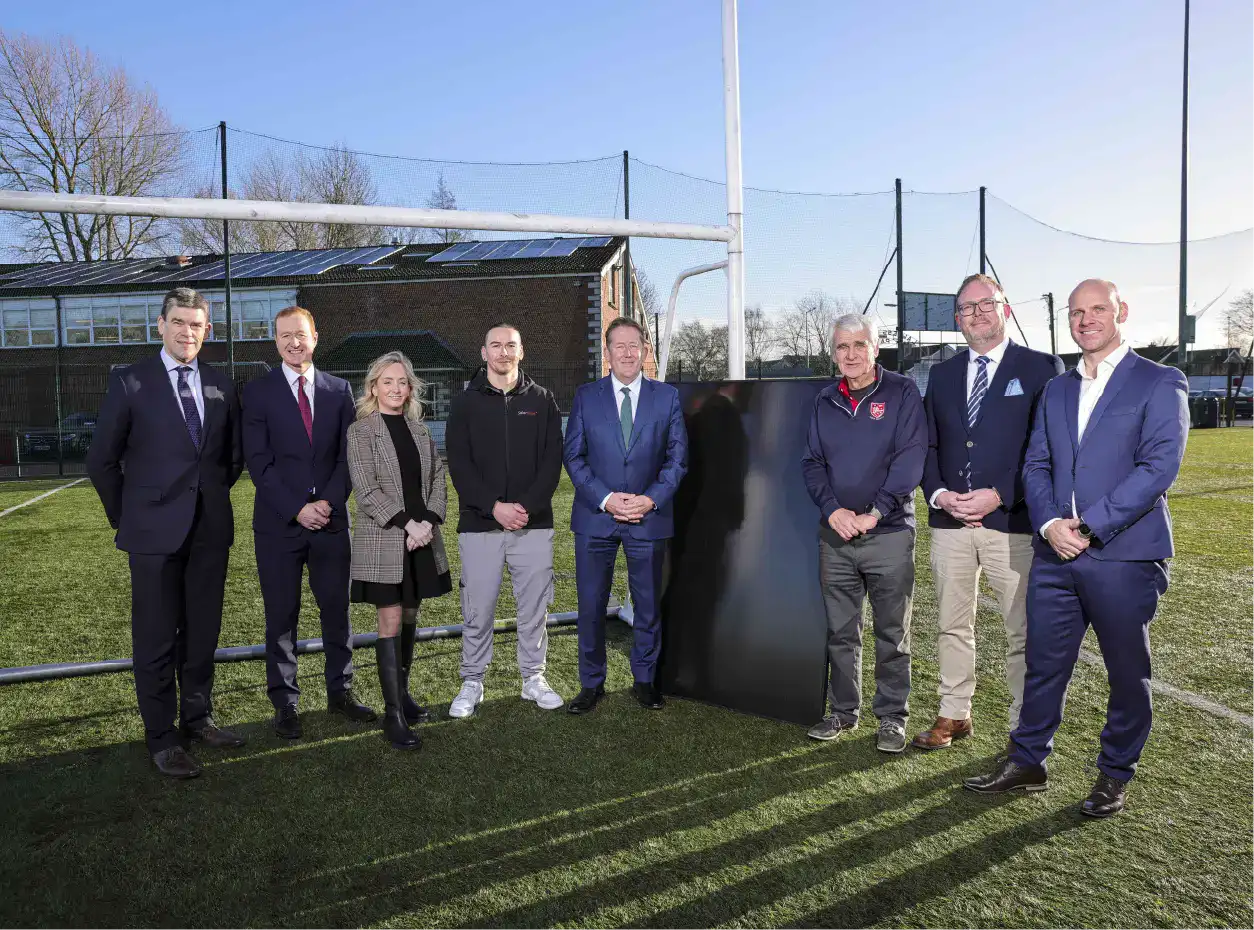
__wf_reserved_inherit
Solar Ireland announces Ireland reaches 1 GW rooftop solar milestone

Reaching 1 GW shows that rooftop solar works – financially, environmentally and practically. Whether you’re a homeowner or business owner, now is one of the best times ever to invest in solar. At Activ8, we’ve helped thousands of customers make the switch with high-quality systems, expert installation and full support through the SEAI grant process.

Thinking about solar? Get in touch with Activ8 today and see how much you could save while powering your future with clean energy.
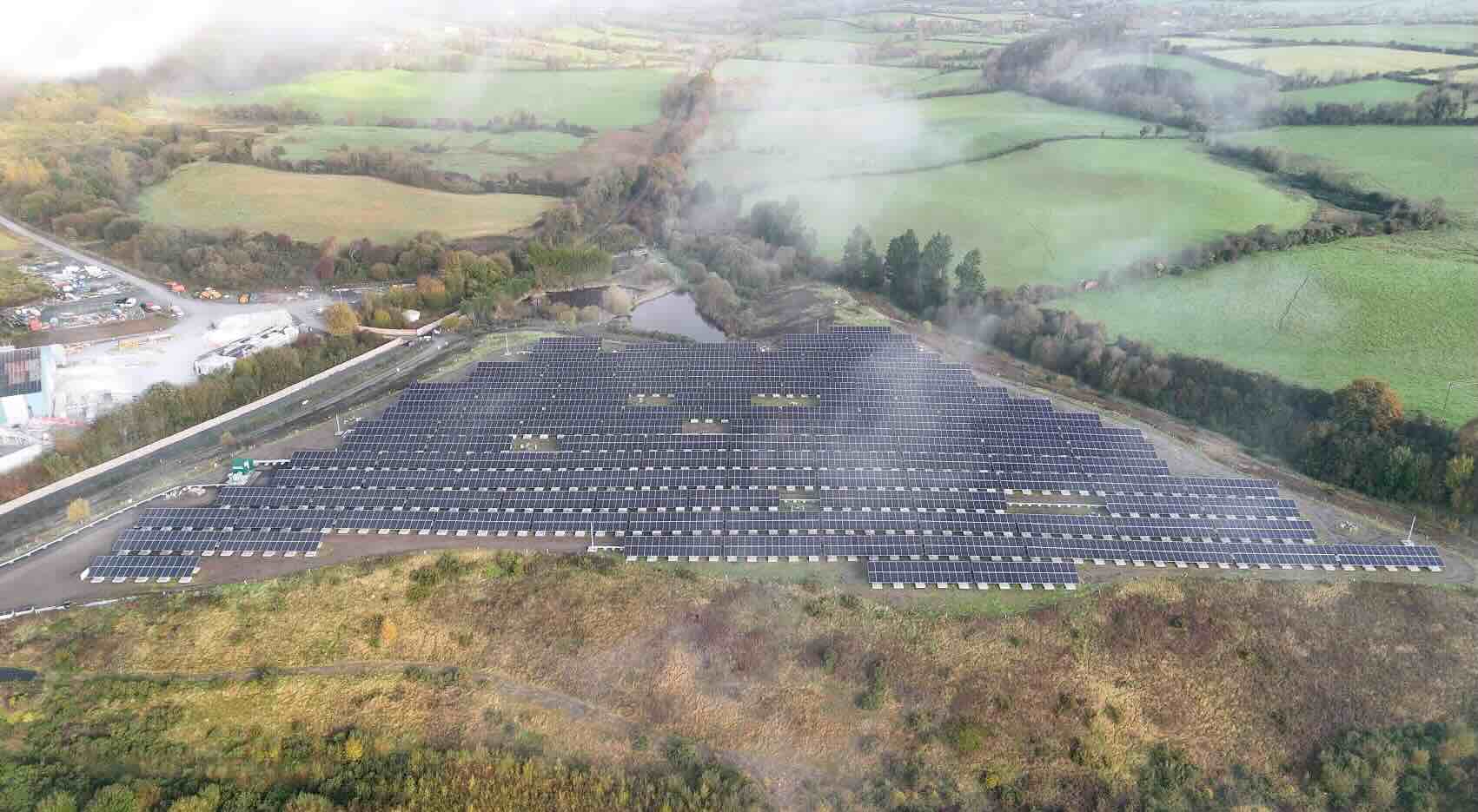
December 15, 2025

In Kingscourt, County Cavan, a once-unused landfill site is now generating clean electricity thanks to a powerful partnership between Activ8 Solar Energies, SSE Airtricity, and Gyproc Ireland (Saint-Gobain).

The new 2.5MW commercial solar farm features 3,556 Canadian Solar PV panels, each rated at 705 Wp, producing an impressive 2,145 MWh of renewable electricity annually. That’s enough to power 15% of Gyproc’s total electricity needs while avoiding approximately 502 tonnes of CO₂ emissions every year

Through a funded Power Purchase Agreement (PPA) with SSE, the project was delivered with no upfront cost to Gyproc. Activ8 designed and installed the system with a ballasted mounting structure, ensuring the landfill cap remained fully intact while maximising solar generation and long-term performance.

“This project proves that even complex sites can deliver real sustainability gains through innovation and collaboration” Martin Mulholland, Commercial Operations Director of Activ8 Energies.

The Kingscourt solar farm is Saint-Gobain’s first solar installation across the UK and Ireland, marking a significant step in the company’s decarbonisation journey. It stands as a model of how manufacturing facilities can integrate renewable energy on unconventional sites, reducing dependence on grid electricity while advancing national and corporate climate goals.

“What’s happened here between SSE, Activ8, and ourselves through a PPA, we’ve delivered a project in a very difficult environment with a lot of challenges and they’ve all been worked through and it shows” John Crosse, Supply Chain and Circularity Director at Saint-Gobain.

Behind-the-meter solar farms are still relatively rare globally, but their advantages are significant: direct, cost-stable energy supply, reduced grid dependence, and long-term certainty.
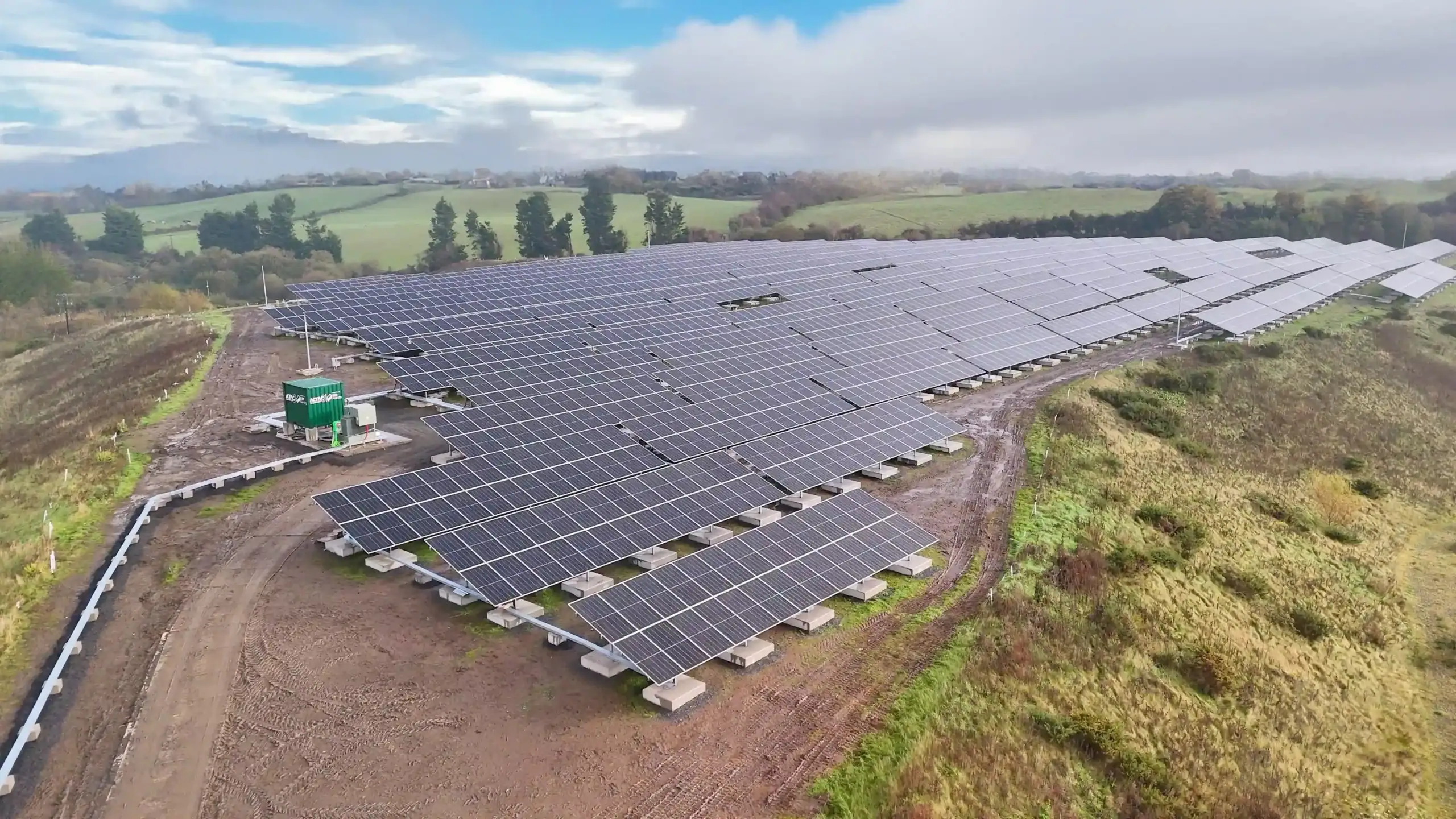
__wf_reserved_inherit
Gyproc solar farm installed by Activ8 Energies in Kingscourt, Co. Cavan

At Activ8 Solar Energies, we’re proud to have delivered this landmark project safely, sustainably, and on schedule. The Kingscourt solar farm not only helps Gyproc Ireland meet its decarbonisation targets but also stands as a testament to Ireland’s growing renewable energy potential.

By combining technical expertise, smart financing, and a shared vision for sustainability, we’ve turned a landfill into a source of clean, dependable power—lighting the way for industries across Ireland to follow. If you want to learn more about our work, read our commercial solar case studies.
November 14, 2025

Activ8 Solar Energies is proud to announce that we have been awarded Solar Rooftop Project of the Year for our landmark installation at Glenpatrick Spring. The award was presented at the inaugural Irish Renewable Energy Awards, held at the Dublin Royal Convention Centre, an event jointly delivered by Wind Energy Ireland and Solar Ireland to celebrate the innovators transforming Ireland’s energy future.

This recognition honours the very best in rooftop solar across residential, commercial, industrial, and public buildings. Projects are judged on customer service, health and safety, installation quality, post-installation support, delivery excellence, stakeholder engagement, and measurable environmental and economic impact. We are honoured that our work at Glenpatrick Spring stood out among exceptional renewable energy projects completed in 2024 and 2025.

The Glenpatrick Spring installation represents one of the most technically advanced and intricately designed rooftop solar systems in Ireland. Today, 18% of Glenpatrick’s total energy needs are met by solar, lowering reliance on the national grid, cutting operating costs, and improving local air quality.

Spread across 10 roofs and 18 building orientations, the system incorporates more than 2,800 high-efficiency TOPCon N-type solar panels, each precisely configured to extract maximum yield from a uniquely challenging site.

To optimise performance, the installation was strategically divided into North and South zones, each with its own independent LV supply point and custom-engineered inverter stations. One station was elevated 10 feet above ground to overcome structural limitations, while the other was positioned at ground level for optimal operability—solutions that ensured zero compromise in system performance.

The rooftop system generates approximately 1,522,006 kWh per year, significantly reducing Glenpatrick Spring’s dependence on imported grid electricity. At an average energy cost of €0.22/kWh, this delivers annual savings of more than €330,000.

Since energising in mid-2024, the installation has delivered consistent and meaningful results for Glenpatrick Spring. “Since going live in mid-2024, our solar installation has consistently contributed to our energy needs—delivering 17.5% of our site’s total power in the first six months, and maintaining a 18% contribution year-to-date in 2025. This shift has led to a 16.5% reduction in energy costs from 2023 to 2024, a direct financial benefit of our investment in renewable infrastructure. Environmentally, the impact is equally significant:to date, our solar system has avoided 580 tonnes of CO₂ emissions, with projected avoidance of at least 3,166 tonnes over the next five years.” – JadePower, ESG & Contracts Manager, Glenpatrick Spring.
__wf_reserved_inherit
Activ8 Solar Energies wins Solar Rooftop of the Year at the Irish Renewable Energy Awards 2025
(L-R): Niall Geoghegan, Brian Hanratty, Benedict Ennis (MD Low Carbon Energy), Paul McCabe, Martin Mulholland, Judy Walsh, Jessie Long, Ronan Power (CEO of Solar Ireland), Ciaran Marron.

Winning Solar Rooftop Project of the Year is a meaningful recognition of the technical expertise, engineering precision, and client-focused project delivery that Activ8 brings to every installation.

We extend our sincere thanks to Glenpatrick Spring for their trust and collaboration, and to the Irish Renewable Energy Awards for shining a spotlight on the people and projects driving Ireland toward a more sustainable future.

At Activ8, we remain committed to leading the way in high-quality solar solutions—helping homes, businesses, and communities power their future with clean, renewable energy.
November 14, 2025

Activ8 Energies, Ireland’s largest commercial solar panel installer, has been confirmed as the sponsor of TG4’s new property series, Buildings Beo. The sponsorship was secured in partnership with Buymedia, Ireland’s leading ad-tech platform for media planning, buying and measurement.

The six-part series, presented by Carrie Crowley and produced by New Departures Media, will air on TG4 from Wednesday, November 19th at 8:30 p.m. It follows the restoration of heritage buildings across Ireland, from forgotten mills to historic schoolhouses, as communities work together to bring them back to life.

The partnership reflects a perfect synergy between Activ8 Energies’ mission to build a sustainable future and Buildings Beo’s celebration of renewal, community, and cultural pride.

“At Activ8 Energies, we’ve always believed that real progress means respecting our past while investing in the future,” said Ciaran Marron, CEO of Activ8 Energies. “Buildings Beo captures that spirit beautifully, it’s about breathing new life into Ireland’s heritage through passion, collaboration and purpose. In the same way, our work with renewable energy is about creating positive change that endures for generations to come.”

__wf_reserved_inherit
Activ8 Energies proudly sponsor TG4’s new property series, Buildings Beo

Buymedia recognised the strong alignment between Buildings Beo and Activ8’s brand values, providing a powerful platform for Activ8 Energies to connect with communities nationwide through storytelling that highlights sustainability, innovation, and Irish resilience.

Fergal O’Connor, CEO and Founder of Buymedia, said “Our focus is always on finding authentic connections between a brand’s purpose and the content it supports. Buildings Beo and Activ8 share a vision of renewal through architecture and community as well as sustainable energy. Together, they represent a brighter, more sustainable and forward-thinking Ireland.”

Activ8 Energies’ sponsorship of TG4’s new series, Buildings Beo, reaffirms Ireland’s commitment to renewable energy, and to the communities, culture, and heritage that makes this island unique.
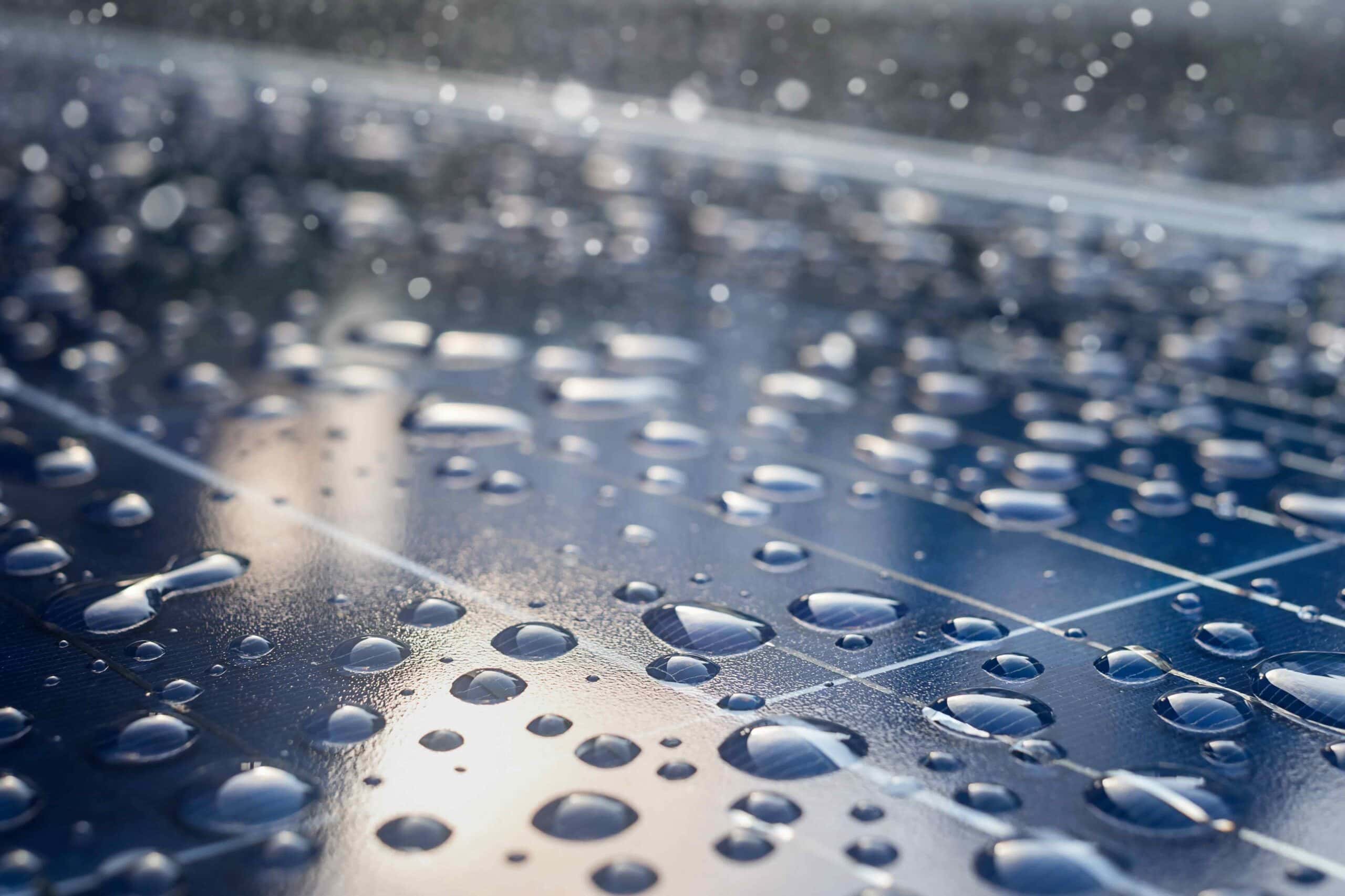
November 13, 2025

Having been around since the 7th Century B.C., solar energy may not be a new concept, but it has greatly evolved over time. Today, there is renewed emphasis on its usage as much of the world gets serious about sustainability. 

If you’re unfamiliar with how solar energy works and the numerous benefits it can provide, this guide will cover all the bases for business owners, homeowners,and curious individuals alike. 

How Do Solar Panels Work?

Let’s start by simply defining what a solar panel is, and that’s a purpose-built panel designed to absorb the rays of the sun, subsequently turning that sunlight into energy for generating electricity and/or heating.

Solar panels that produce electricity are known as solar photovoltaic modules or ‘PV’ for short. These panels generate direct current (a one-dimensional flow of charge, like a battery) electricity when exposed to sunlight. You’ll likely be familiar with their signature tiled aesthetic, having seen them on the roofs of homes and businesses.

Panels that produce hot water, meanwhile, are known as solar thermal collectors, or solar hot water collectors.

How does it work, though? As noted, the panels generate direct current electricity, which is then converted to alternating current (AC) via an inverter. This electricity is then used to power whatever household items and appliances require it.

Excess electricity produced by solar panels can be stored in a battery or a separate storage solution. This is particularly useful given the overall reliance on sunlight, and the differing amounts of it available during the year.

As the Sustainable Energy Authority of Ireland (SEAI) points out, around 75% of electricity produced from solar PV systems in Ireland occurs between the months of May to September.

Types of Solar Panel Systems

As noted, there are different types of solar panel systems available, so it’s important to carefully consider what one is right for you.

Having installed over 25,000 solar panels across Ireland since 2007, we’re confident that Activ8 Solar Energies can provide what you’re looking for.

We estimate that a move to our solar PV panels will lock in your own electricity prices for over 25 years, and you can expect to save up to 70% on your bills.

Residential

We have a range of great and affordable options for the solar-minded homeowner.

Our exclusive 445W panels are engineered by Activ8 Energies in Ireland specifically is sourced specifically to meet challenging and ever-changing Irish weather conditions, meaning it’s highly adaptable, not to mention durable, considering the panel will only ever come from the exclusive Tier 1 rating of solar panels. 30 years of performance warranty comes as standard, as does a 25-year product warranty.

Our pleasingly compact and lightweight Solis Solar Inverter boasts 97.7% max efficiency, while our intelligent Eddi eco-smart energy diverter redirects surplus power to a designated heating appliance. This enables you to stop exporting energy back to the grid and saves money on your energy bill.

And speaking of surplus power, our partnership with Duracell ensures the most efficient charging experience possible.

If you’d like to get a sense of what your own home may look like with an Activ8 system in place, you can check out multiple detailed case studies here.

Commercial

For businesses looking to adopt or improve solar power methods, the process is a touch more complex – but don’t worry, we’re here to guide you through it step by step.

Our approach begins once you make a direct enquiry with our commercial team. From there, we’ll carry out a feasibility study to determine suitability, initial costs, and potential savings. We will also look at every potential commercial grant that may be available to you, and oversee that process in its entirety.

We’ll examine what financing models may be available, and engage in planning and environmental studies before communicating with local authorities on your behalf and seeking to submit a planning application.

Once we get the green light, it’s onto the design and project management stage, and all the operation and maintenance that comes with it. But don’t just take our word for it – feel free to look over the many commercial projects we’ve successfully implemented to date, or contact us directly with any questions you may have.

How Many Solar Panels Do I Need in Ireland?

By now, you’re likely asking yourself the question – ‘How many solar panels do I need?’. It’s a totally fair question, but the answer will be different depending on your specific set of circumstances.

The general estimate for an average Irish home is 10 though several determining factors are in play for any installation, including:

  • The amount of electricity you consume in your home or business
  • The time of day you are inhabiting the space
  • The orientation of your roof in terms of exposure to sunlight
  • How much space you have available on the roof
  • The efficiency of the panels themselves
  • Your desired budget

We strongly recommended availing of a professional assessment before making any major decisions. With that in mind, you may contact an expert member of our team on 0818 929 828, 042 969 0352, or get your solar quote online today.

How Long Do Solar Panels Last?

If you’re new to the solar-powered world, you’ll naturally have some degree of apprehension when it comes to making a long-term commitment. Lifespan is, of course, a key consideration when entering into this new endeavour.

On average, solar panels last between 20 and 30 years, with their general efficiency reducing substantially towards the end of this period of time. Wear-and-tear is a big part of this, as is the cumulative effect that weather itself can have on the panels, so it’s of great importance that you keep an eye on maintenance as and when necessary.

We mentioned it a little while ago but it’s worth repeating – our certified panel comes with 30 years of performance warranty and a 25-year product warranty.

What are the Benefits of Solar Energy in Ireland?

Hopefully by now you’ve come to appreciate the many benefits of choosing solar energy, both for you individually and the world at large.

A reminder; a commitment to solar energy will:

  • Reduce your energy bills up to 70%
  • Afford you more overall energy independence
  • Increase the value of your property
  • Reduce your carbon footprint, helping the environment

If this sounds like the right move for you and you’re ready to obtain a personal assessment, get a free quote with Activ8 today.

November 12, 2025

As more homeowners across Ireland install solar PV and battery systems, one question keeps coming up:

“If the power goes out, will my solar system keep my house running?”

It’s a fair question — and one we completely understand.
After all, no one likes the thought of being left in the dark during a storm.

The reality? Solar and battery systems can help during short outages, but they’re not designed to replace the grid entirely. Here’s why.

When Power Cuts Usually Happen

Most outages happen in winter, often at night, and usually during bad weather — exactly when solar generation is at its lowest.

Even if you have a home battery, it’s typically already been working hard that evening to reduce peak-time electricity use or to store energy during cheaper night-rate hours.

So when a blackout hits, your battery may already have done its job for the day — leaving little stored energy to fall back on.

Why “Off-Grid” Isn’t as Simple as It Sounds

For a solar system to run your home when the grid is down, it needs to be able to isolate itself completely from the ESB network.

That means:

  • Re-wiring your fuse board to separate essential loads
  • This mitigates the power heavy loads from accidentally draining your back up energy too quickly
  • Installing isolation equipment that can safely disconnect from the grid
  • Ensuring everything meets Safe Electric and SEAI standards

This isn’t part of a standard solar installation — and it shouldn’t be.
It’s a specialist setup designed only for specific cases, carried out by certified electricians.

To be clear:

All Activ8 electricians are fully qualified and RECI-registered, and every one of them completes our 12-week Activ8 Solar Academy training.

We’re more than capable of this type of work — we simply choose not to offer off-grid changeover installations because, in most homes, they’re not a practical or necessary solution.

For a solar system to run your home when the grid is down, there needs to be adequate energy on standby to power the home.
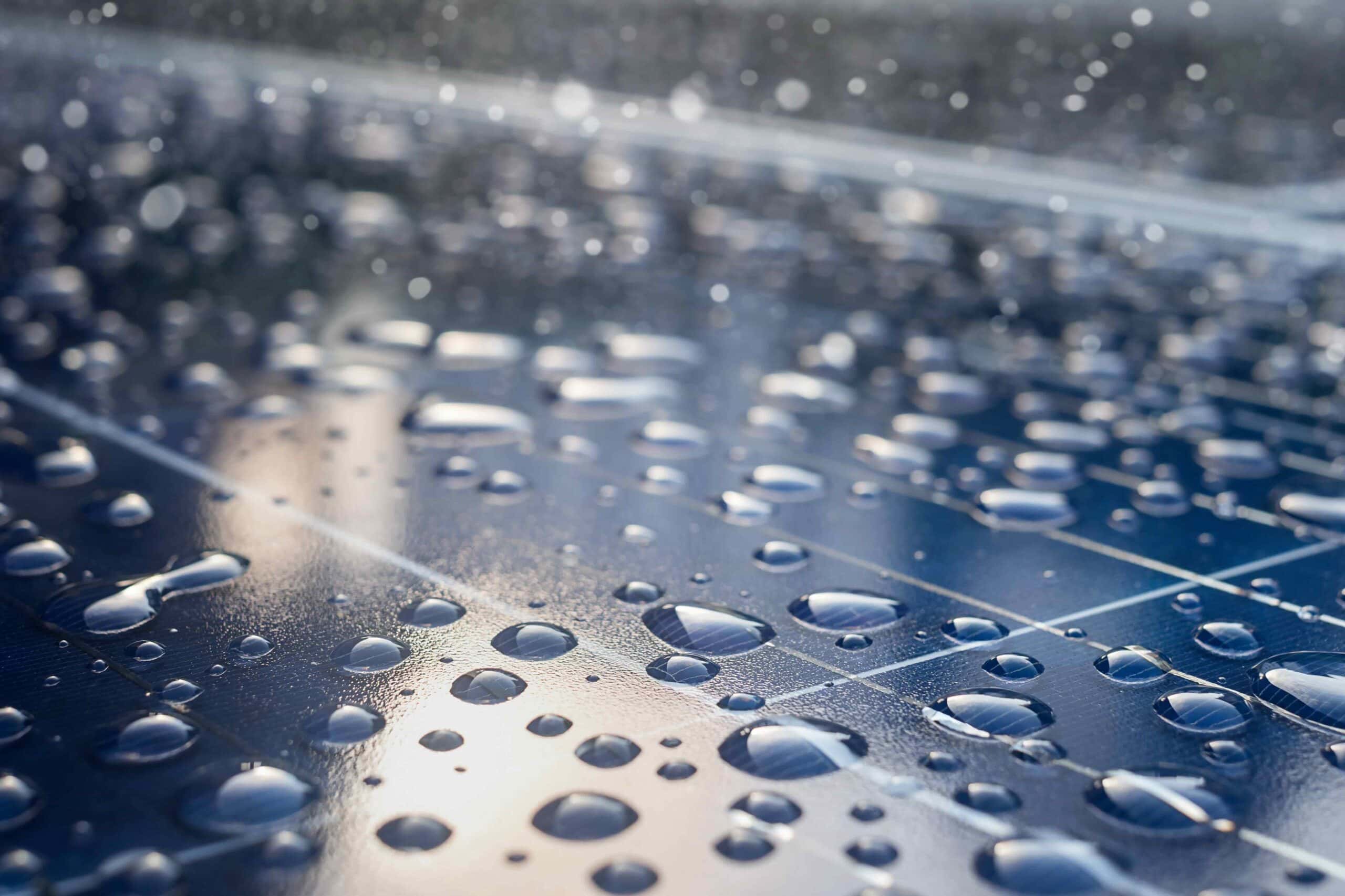
  • This entails increasing the number of batteries needed which are set aside for power outages. We would suggest a minimum of 5-15kWs depending on the homes usage which should be always available.  
  • These batteries can be recharged through solar the next day if they go empty, but again, assuming weather conditions and time of year for storms, it is not guaranteed to do so.
  • This is an expensive addition to a system, which will only be availed of on power outage.
__wf_reserved_inherit

What You Could Expect from a “Back-Up” Solar System

Even if everything is installed correctly, it’s important to understand what such a system can realistically do.
In the event of a power cut, it could keep your essential loads — lights, fridge, broadband, heating controls — running for a period of time.
But it wouldn’t be life as usual.

You’d need to limit the use of high-draw appliances like kettles, ovens, hobs, washing machines, dryers, showers, and hairdryers. And depending on weather conditions, your battery may or may not recharge from solar generation the next day.

In short: it can help you get by, but it won’t fully replace the grid during extended outages.

What Activ8 Installs as Standard

Every Activ8 solar installation includes a dedicated back-up socket — built right in.

If there’s a power cut, this socket allows you to:

  • Plug in an extension lead
  • Power a few essentials directly from your battery
  • Make use of whatever stored energy remains at that moment

It’s a simple, safe, and short-term solution — perfect for keeping lighting, your broadband running, or your fridge ticking over.

But it’s not designed to power your whole home or keep everything running for hours on end. Once that stored energy is used, the system will wait for grid power to recharge.

When to Consider a Generator

For those living in rural or high-impact areas where power cuts can last a day or two, a small generator with a changeover switch can still be the most reliable option.

It works independently of the grid, daylight, or your battery’s state of charge — meaning you can keep key circuits running for as long as needed.

And just to be clear:

We’re not promoting fossil fuels.

A generator is simply a short-term, practical back-up option — not a permanent or everyday energy source.

Our Focus: Everyday Reliability

At Activ8, we design solar PV and battery systems to perform efficiently, safely, and sustainably every single day of the year.

Our goal isn’t to over-engineer for rare events — it’s to make sure your system works brilliantly 99% of the time.
That’s what gives you real value, reliability, and energy independence.

Key Takeaways

  • Power cuts usually occur when solar and batteries are least effective
  • True off-grid systems need specialist isolation work
  • Every Activ8 system already includes a back-up socket for short-term use
  • Our electricians are fully qualified and Activ8-trained
  • For longer outages, a generator connection is a practical short-term option
  • Solar and batteries are about everyday savings and sustainability, not long-term off-grid living

In Short

Solar PV and batteries are incredible technologies — they make your home more efficient, resilient, and sustainable.
But when it comes to back-up power, the key is to stay realistic and practical.

At Activ8, we’ll always give you the honest picture — so you can make smart energy decisions that work for  your home, your budget, and the Irish weather.    

Our  knowledgeable team will help you through every step of the process, from solar grant applications to  installation.
November 6, 2025

We are absolutely delighted to announce that Activ8 Energies has once again been awarded Green Energy Supplier of the Year 2025 at Ireland’s Climate Change Leadership Awards! Winning this prestigious title for the second consecutive year is a powerful testament to our unwavering commitment to Ireland’s renewable energy future and our mission to create a cleaner, greener, and more sustainable world.

This back-to-back recognition highlights not only the strength of our vision but also the consistent effort, innovation, and dedication of our incredible team, our trusted partners, and the thousands of customers who continue to believe in what we do. Together, we are shaping the future of green energy in Ireland.
__wf_reserved_inherit
Activ8 Energies being presented with Green Energy Supplier Award at Ireland’s Climate Change Leadership Awards 2025

The 2025 awards ceremony, once again gathered Ireland’s leading sustainability champions from policymakers and innovators to business leaders and community advocates, all united by a shared goal of accelerating the country’s climate action journey. Winning Green Energy Supplier of the Year for two years in a row is a milestone we’re incredibly proud of. It reflects the trust our customers place in us, the expertise of our installation teams, and the passion that drives every person at Activ8 Energies. Every solar panel installed, every home powered by renewable energy, and every conversation about sustainability moves us closer to our shared vision of a carbon-neutral Ireland.

As we celebrate this achievement, we’re looking firmly to the future. The work doesn’t stop here — it intensifies. We remain focused on innovation, excellence, and impact, determined to keep leading the charge towards a brighter, more sustainable tomorrow.

To everyone who has been part of this journey — thank you. This award is yours as much as it is ours.
October 6, 2025

Activ8 Solar Energies has been officially recognised for its outstanding contribution to renewable energy, winning the Best Energy Achievement in Utilities at the 2025 Best Energy Achievement Awards. This accolade reflects the company’s unwavering commitment to sustainability, innovation, and operational excellence in Ireland’s green energy sector.

Launched in 2021, the Business Energy Achievement Awards celebrate businesses taking a leadership role in sustainability. The programme recognises initiatives that:

  • Reduce overall energy consumption
  • Transition to cleaner sources like solar or wind
  • Implement strategic energy purchasing plans
  • Develop innovative solutions to manage and reduce carbon footprints

The award judges commented; “From their Net Zero HQ and Solar Academy to record-breaking products and AI tools, they are setting the pace for innovation in the solar sector. With a clear strategy, customer-focused solutions, and technologies, Activ8 demonstrates exceptional commitment, leadership, and impact in sustainability.”
__wf_reserved_inherit
Activ8 Energies & SSE Airtricity at the Business Energy Achievement Awards Night 2025

The awards cover a wide range of industries, winners are selected by a distinguished panel of industry experts, academics, and stakeholders, ensuring a transparent and rigorous evaluation process. Activ8’s win in the Utilities category underscores its position as a national leader in renewable energy adoption and sustainable operations.

‍
Winning the Best Energy Achievement in Utilities award is a testament to Activ8’s holistic approach, combining innovation, operational excellence, employee engagement, and community impact. With a clear strategy for growth Activ8 continues to set the benchmark for renewable energy leadership in Ireland and beyond.
September 29, 2025

Activ8 isn’t just celebrating; it’s reaffirming its position as a benchmark for excellence and change. The company is proud to announce its recognition as a Requalifier Winner at the 2025 Deloitte Ireland’s Best Managed Companies Awards, a testament to its sustained growth, relentless innovation, and a company culture that continues to inspire progress.

The Deloitte Awards remain the gold standard for management and business performance across Ireland. Standing shoulder-to-shoulder with the nation’s leading companies, Activ8 once again proves its role as a driving force in renewable energy and a champion of sustainable business.

Since its inception in 2007, Activ8 has installed over 250,000 solar panels across Ireland, serving more than 20,000 customers and creating a measurable impact on Ireland’s clean energy transition. With more than 230 employees and a state-of-the-art headquarters in Carrickmacross, Monaghan, the company has grown into Ireland’s longest-established and most trusted solar energy provider.

As one of Ireland’s leading renewable energy companies, Activ8 Solar Energies has earned national recognition for innovation, sustainability and customer excellence. Over the past 18 months, the company’s achievements have been recognised at the Green Awards, All-Ireland Sustainability Awards, Business Energy Achievement Awards, Climate Change Leadership Awards, Health & Safety Excellence Awards, and the Guaranteed Irish Business Awards, as well as through Deloitte Best Managed Company status. These accolades reflect Activ8’s leadership across renewable energy, sustainability, business performance, customer experience and operational excellence.

As Activ8 continued to grow, it also strengthened its governance structures through the appointment of an Independent Non-Executive Director. Bringing valuable external insight and strategic oversight to the board, the role has enhanced decision-making and accountability, helping position the business for its next phase of sustainable growth and long-term success.
__wf_reserved_inherit
Activ8 Energies at Deloitte Best Managed Companies Awards Night 2025

Ciaran Marron, CEO of Activ8, expressed his pride in the team’s continued success:
“To be recognised again at the Deloitte Awards is an honour that reflects the passion, dedication, and innovation of every single member of our team. This isn’t just about requalification, it’s about reaffirming our mission. Sustainability and success are not opposing forces; they go hand in hand. We’re asking policymakers to match this ambition with supportive measures so Ireland can truly embrace a greener, cleaner future.”

The Deloitte Ireland’s Best Managed Companies Awards are highly competitive, rigorously evaluating everything from business strategy and culture to financial performance and innovation. To requalify is not only to succeed but to sustain that success at the highest level, a challenge that Activ8 continues to meet head-on.

This latest recognition marks another milestone in Activ8’s journey. Far from resting on its achievements, the company sees this award as a springboard to go further, faster. With a clear vision, a dedicated team, and a relentless drive to innovate, Activ8 is committed to leading Ireland’s renewable energy revolution and setting the standard for what’s possible in the clean energy sector.
September 26, 2025

Whether you’ve landed your dream home or are setting about transforming a fixer-upper, the benefits of home improvement extend well beyond a fresh coat of paint. 

More and more people in Ireland are taking steps to make their home more energy-efficient. Naturally, at Activ8 Energies, we’re big believers in the benefits of solar panels and the power they provide, so we make it our mission to help on this journey. 

With that in mind, let’s look at the specific home improvement grants available.

Understanding Home Improvement Grants in Ireland

Unsure where to start? At Activ8, we have a quick and easy questionnaire you may wish to fill out to get a better feel for your own situation.

In terms of the different types of grants available to homeowners in Ireland, the Sustainability Authority of Ireland (SEAI) is the country’s national sustainable energy body, working at every level of Irish society to encourage the use of clean energy and efficiency. 

It is also the primary outlet offering the kind of energy-focused grants that could help with your house renovation plans. The SEAI offers homeowner-focused grants under four different schemes; Better Energy Homes, Warmer Homes, One Stop Shop and National Home Energy Upgrade. 

The Better Energy Homes Scheme

As the name suggests, the Better Energy Homes grant is designed to boost your home towards a more energy-efficient and overall beneficial lifestyle. 

What Home Improvement Options Are Available?

There’s a healthy range of specific grants on offer to help you spruce up your home while harnessing clean renewable energy in the process. 

We’ll look at each one individually in detail in a moment, but in terms of the broad overview, you can apply for grants related to home insulation, heating controls and heating systems, and solar heating and solar power modifications. 

General Eligibility 

To qualify for this scheme, you need to meet one of the following criteria: 

  • Owner-occupier
  • Non-private and/or commercial landlord of tenanted property
  • Company including Owner Management Companies
  • Approved Housing Body
  • Registered Charity
  • Holiday Home

The home in question must have a Meter Point Reference Number (MPRN) and must be built and occupied before 2011 for insulation and heating controls, or 2021 for heat pumps and renewable systems. 

It’s worth reading through the comprehensive SEAI Homeowner Application Guide before proceeding with the grant you have in mind. 

The median costs of individual energy upgrades, as collated by the SEAI, may be viewed here. 

How to Apply

There are two ways in which you can apply for the Better Energy Homes scheme. 

The first option is a manual application where you select an SEAI-registered contractor and apply for the grant using the SEAI online system. 

If successful, the grant will be paid directly to the applicant or contractor, under the condition that the relevant works have been fully carried out, and the necessary forms – Request for Payment and Declaration of Works – have been submitted. 

If this option suits you best, you can jump into the step-by-step guide here.

Alternatively, you could go with a ‘One Stop Shop’ that takes all the admin off your hands, managing the entire project on your behalf. You can check out the list of SEAI partners which includes Activ8 Energies here. 

Insulation Grants (Attic and Wall)

Let’s explore those specific different grants in front of you, starting with insulation. 

You’ve two options here – attic insulation and wall insulation. Each individual grant offers a fixed value, breaking down as follows:

Attic Insulation

According to the SEAI, attic insulation is often the most cost-effective upgrade made to a house. 

  • Apartment*: €800
  • Mid-Terrace House: €1,200
  • Semi-Detached / End of Terrace House: €1,300
  • Detached House: €1,500 

*To note, the roof insulation grant is only available for top-floor apartments or an apartment where the roof is a genuine heat-loss element. An apartment with other separate apartments located directly above is not eligible. 

Cavity Wall Insulation

The process of injecting cavity walls with insulation from the outside. 

  • Apartment*: €700
  • Mid-Terrace House: €800
  • Semi-Detached / End of Terrace House: €1,200
  • Detached House: €1,700

Internal Insulation (Dry Lining)

This is where insulation boards are fixed to the inside of external walls. 

  • Apartment*: €1,500
  • Mid-Terrace House: €2,000
  • Semi-Detached / End of Terrace House: €3,500
  • Detached House: €4,500

External Wall Insulation (The Wrap)

In which insulation materials are fixed to the outer surface of external walls. 

  • Apartment*: €3,000
  • Mid-Terrace House: €3,500
  • Semi-Detached / End of Terrace House: €6,000
  • Detached  House: €8,000

To note, SEAI grant funding can only be issued once per property for each type of works, so choose wisely. Any property that has previously availed of wall insulation via the Better Energy Homes scheme – or any other government scheme – cannot receive additional support for further wall insulation modification.

Heating System Upgrade Grants

Looking to stay warm and make a positive impact on the environment – and your bank balance – in the process? 

Upgrading to a renewable energy heating system is the way to go. There are two key grants available to help you achieve this: 

Heat Pump System Grant

An overall guide on exactly how heat pumps work is available here.

Your home must be well-insulated in order to get the maximum benefits that a heat pump can offer. It should also be noted that the SEAI grant only refers to first-time installations, and does not cover replacement on a pre-existing pump. 

You’ll need to establish where your home stands on both of those factors before proceeding with an application, and so a technical assessment may be required. 

The technical assessment is necessary if you do not have a valid Building Energy Rating (BER) assessment or if your BER assessment reveals that your home has high heat loss – greater than 2.3 on a heat loss indicator. 

You do not require a technical assessment if your valid BER assessment places your heat loss indicator at 2.3 or below. 

In the event of moving ahead with the assessment, the SEAI offers a €200 grant (payable only alongside the overall heat pump grant). To qualify for this, you must use an SEAI-registered technical advisor, and complete the heat pump installation and any additional fabric/insulation upgrades required.  

If you meet all outlined criteria, you can complete and upload a Self-Declaration Form.

As for the different types of heat pump system grants available and how much they’re worth, you can find the breakdown below:

Air to Water

This is the most common heat pump system, extracting heat from external air through an outside unit. 

  • Apartment (Any): €4,500
  • Mid-Terrace Detached / Semi-Detached / End of Terrace House: €6,500

Exhaust Air to Water

Similar to the above, though this system includes mechanical extract ventilation and heat recovery from your property. 

  • Apartment (Any): €4,500
  • Mid-Terrace Detached / Semi-Detached / End of Terrace House: €6,500

Ground Source to Water

This heat pump system involves the use of the earth as a source of renewable heat. 

  • Apartment (Any): €4,500
  • Mid-Terrace Detached / Semi-Detached / End of Terrace House: €6,500
  • Water to Water

    This system uses open water – lakes, rivers, streams – as a heat source. 

  • Apartment (Any): €4,500
  • Mid-Terrace Detached / Semi-Detached / End of Terrace House: €6,500
  • Air to Air

    This distributes heat through air units – it does not provide hot water, however. 

    • Apartment / Mid-Terrace Detached / Semi-Detached / End of Terrace House: €3,500.

    As for the best method of controlling your heat pump system?

    Heating Controls Grant

    A smarter and more cost-effective way to heat your home, heating controls afford you the chance to get the balance just right, matching your heating and hot water schedules to how you go about your day. 

    The SEAI Heating Controls Grant is valued at €700 and may be applied for by all homeowners, including private landlords, whose homes were built and occupied before 2011 – this is defined as the date when your electricity meter was installed. 

    You will not be eligible for this grant if you are applying for, or have previously claimed, a Heat Pump System grant. This is because such a system must incorporate heating controls as part of the grant works. 

    Solar Panel Grants in Ireland

    Shifting gears now to solar panels and the benefits they provide – at Activ8 Solar Energies, we’ve successfully installed over 22,500 solar panels across Ireland since 2007.

    The SEAI, meanwhile, has identified an incredible 335% increase in solar energy in Ireland in recent years. 

    Let’s drill down into the available grants, and the overall benefits of installing solar panels on your property. 

    The SEAI Solar PV Grant (2025 Update)

    The SEAI’s solar electricity grant helps you install solar photovoltaic (PV) panels in your home. You are eligible to apply for this grant, providing: 

    • You are a homeowner or private landlord 
    • The home has been built and occupied before 31 December 2020
    • No previous funding for solar PV has been provided

    The solar PV grant offers €700 per kilowatt peak (kWp) up to 2kW:
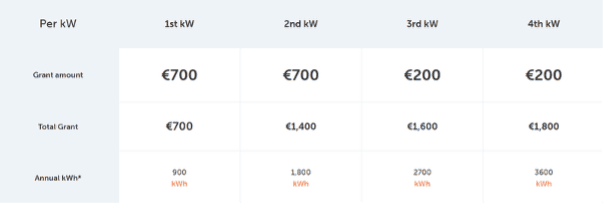
    __wf_reserved_inherit

    To qualify for the SEAI solar electricity grant, you must ensure that you have created an application and received official grant approval before proceeding with any works. 

    If you are successful in your application, the subsequent work must be carried out inside eight months – the grant will expire beyond this timeline. 


    Benefits of Solar Panels (Beyond the Grant)

    We estimate that a move to our solar power panels will lock in your own electricity prices for over 25 years, and you can expect to save up to 75% on your bills. 

    Feel free to use our grant calculator to see how it all adds up for you. 

    What’s more, a commitment to solar energy will afford you more energy independence, increase the value of your property, reduce your carbon footprint, benefit the overall environment, and provide a warmer, more comfortable home.

    Navigating the Grant Application Process

    Ready to submit the all-important paperwork for the grant you want? Let’s first make sure we have everything we need. 

    Before applying, the SEAI advises you to read through the relevant guides – such as the Better Energy Homes scheme application guide or the Solar PV Scheme application guide and terms and conditions, speak with a registered company – this includes Activ8 Solar Energies – and arrange a Building Energy Rating (BER) assessor. 

    Ensure you have the following before proceeding with your application: 

    • A registered and active email address (for online portal applications)
    • For a paper-based application form, contact the SEAI on 01 808 20 04 or email solarpv@seai.ie 
    • Your home address, including your Eircode
    • Your bank details in the form of your IBAN and BIC
    • Your 11-digit Meter Point Reference Number (MPRN) – you will find this at the top of your electricity bill
    • The year in which your house was constructed 
    • The name of your chosen solar PV company
    • The size of the system you intend to install – ask your solar PV company for this

    As is the case with any application, patience is a virtue, so give it a little time while you wait to hear back. 

    If your application is successful, you will receive a grant approval email or postal letter from the SEAI. Your chosen solar PV company will also be informed and provided with the relevant grant documents related to your installation. 

    If you decide to go with Activ8, we take care of the entire grant process for you so you don’t have to worry about it, get started today.

    Remember, you cannot proceed with any works until approval has been granted. 

    Common Mistakes to Avoid

    We’ve covered many of the ‘do’s’ when it comes to grant application, and now we’re going to list some of the things you should absolutely not do as part of the process: 

    Deadline

    Don’t miss it! Overdue applications are unlikely to be treated with sympathy. 

    Confusion / Lack of Clarity

    As covered in the previous section, being as thorough as possible is of paramount importance – details, details, details! 

    Don’t submit anything vague or indecipherable – it’s vital that those reviewing your application understand precisely what you intend to implement, and the specifics of the related environment. Present clean and clear information throughout. 

    Oh, and it might sound like it goes without saying but – be sure the grant you’re applying for is 100% the grant you want to apply for. 

    Budgeting

    A very important one – plan accordingly in terms of your budget and don’t submit unclear or over-inflated prices that could result in either an unnecessary back and forth conversation or outright rejection. Secure precise quotes ahead of time.

    Starting Work Early

    You’re excited to upgrade and improve and that’s a great feeling, but don’t jump the gun and begin any installation work until your grant is approved. For a start, there’s always the chance that it might not get the green light, and even if it does, grant funding rarely applies to retroactive costs you may have already incurred. Be patient.

    Being Too Patient

    That said, there is such a thing as being too stoic about the situation. Yes, you need to allow for time to pass following your application submission, but if you haven’t heard anything back after a couple of weeks, it’s no harm to contact the relevant department and request some clarity. Keeping track of your own paperwork here will be a big help. 

    Frequently Asked Questions (FAQ)

    Am I eligible for a home improvement grant? 

    Yes, you are eligible for a home improvement grant under the Better Energy Homes scheme, providing you meet one of the following criteria: 

    • Owner-occupier
    • Non-private and/or commercial landlord of tenanted property
    • Company including Owner Management Companies
    • Approved  Housing Body
    • Registered Charity
    • Holiday Home

    The home in question must have a Meter Point Reference Number (MPRN) and must be built and occupied before 2011 for insulation and heating controls, or 2021 for heat pumps and renewable systems. 

    How much money can I get from a home improvement grant?

    This will vary depending on the kind of residence you occupy and the specific grant you are looking to avail of. The various denominations are outlined above, but if you need a shortcut, you can visit the SEAI website here. 

    How long does it take to get approved for a grant? 

    According to the SEAI, the current time for grant payment approval is four to six weeks after all documentation has been correctly completed and submitted. 

    If your home is inspected and reworks are required, your contractor will need to make a return visit to carry out the works in question. This will likely impact the timeframe of expected payment. 

    Can I apply for multiple grants at the same time?

    Yes, though you cannot apply for the same specific grant twice. 

    Conclusion

    By now, you should hopefully understand the different home improvement grants available in Ireland and can set about selecting what works best for you. 

    If you require any further assistance or just want to talk through it all with one of our friendly and dedicated experts at Activ8 Solar Energies, you can get a free consultation today – get in touch with us here.
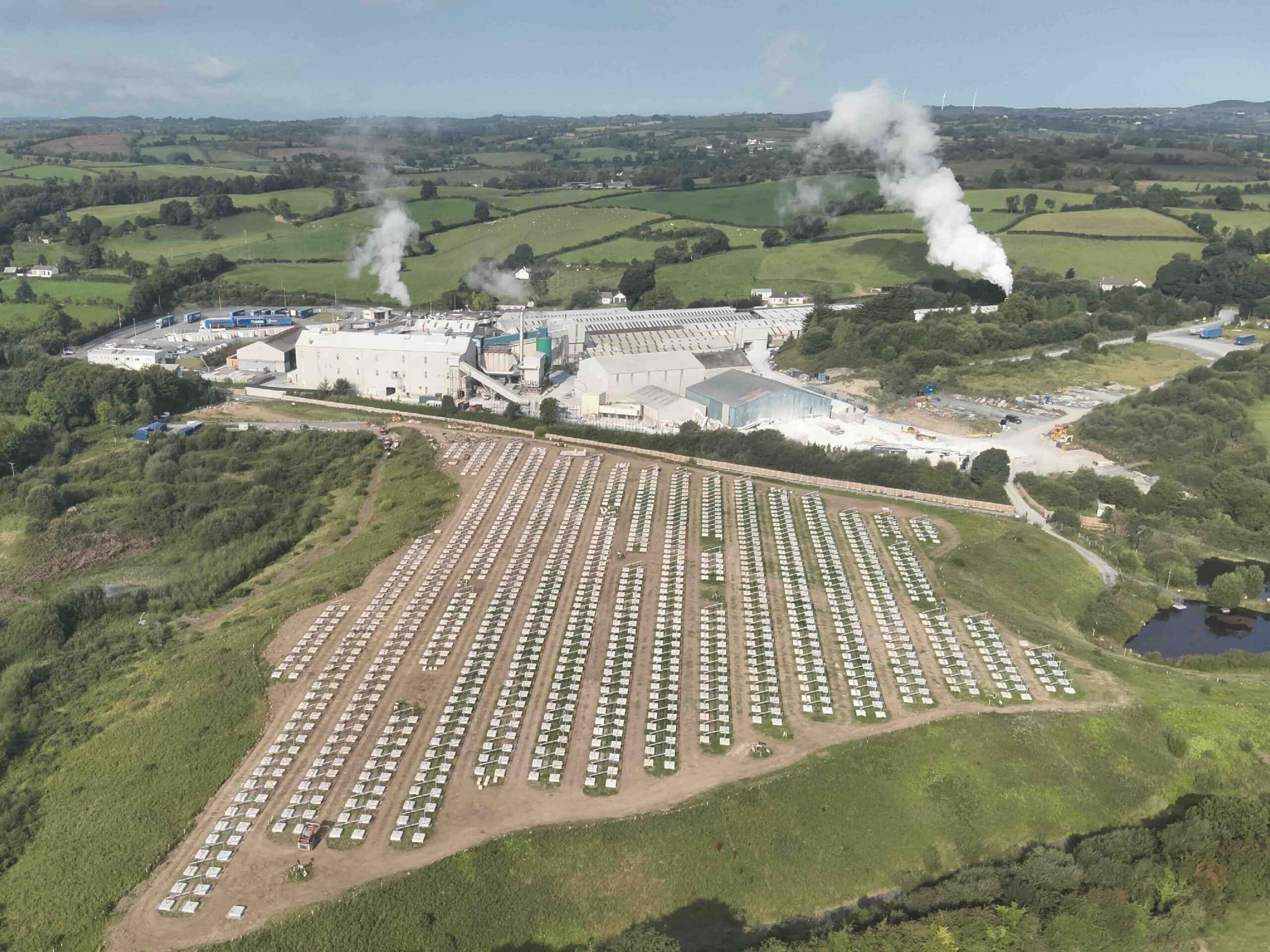
    August 26, 2025

    Cutting Carbon, Not Capital

    Martin Mulholland, Director of Commercial Operations, Activ8 Energies

    When I speak with business leaders across Ireland, one theme comes up again and again: they want to take action on sustainability, but the upfront cost of large solar projects can feel like a roadblock. That’s exactly the challenge our partnership with SSE Airtricity is designed to solve.

    Through a Power Purchase Agreement (PPA), companies can have a solar PV system installed, operated and maintained on their premises without any upfront investment. Instead, the business commits to buying the electricity generated at a fixed, competitive rate over the term of the agreement. It’s a simple structure that gives instant access to renewable energy, shields against unpredictable energy markets, and supports the transition to net zero.
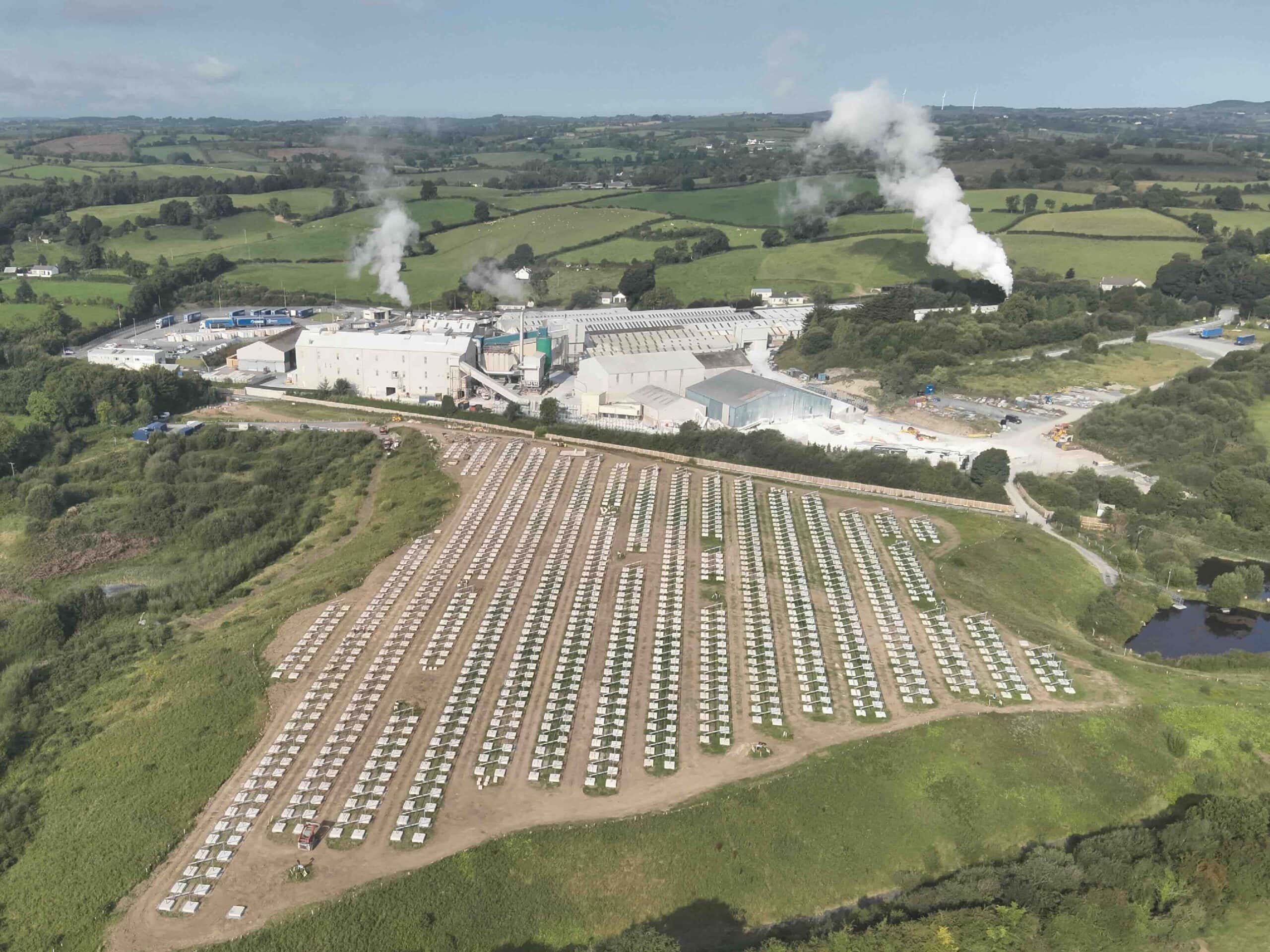
    __wf_reserved_inherit
    Gyproc, Co. Monaghan

    At Activ8, we’ve delivered more than 20,000 solar installations across Ireland, from family homes to some of the country’s largest commercial projects. Partnering with SSE Airtricity means our clients get the best of both worlds: proven solar expertise and the long-term backing of a trusted supplier. Together, we’re able to structure projects in a way that delivers certainty, reliability, and real long-term value.

    The beauty of a PPA is that it removes the capital barrier. A manufacturing plant, logistics hub or food processor can switch on clean energy at scale without touching their balance sheet. From day one, they’re cutting carbon and locking in predictable energy costs, a powerful combination in today’s volatile market.
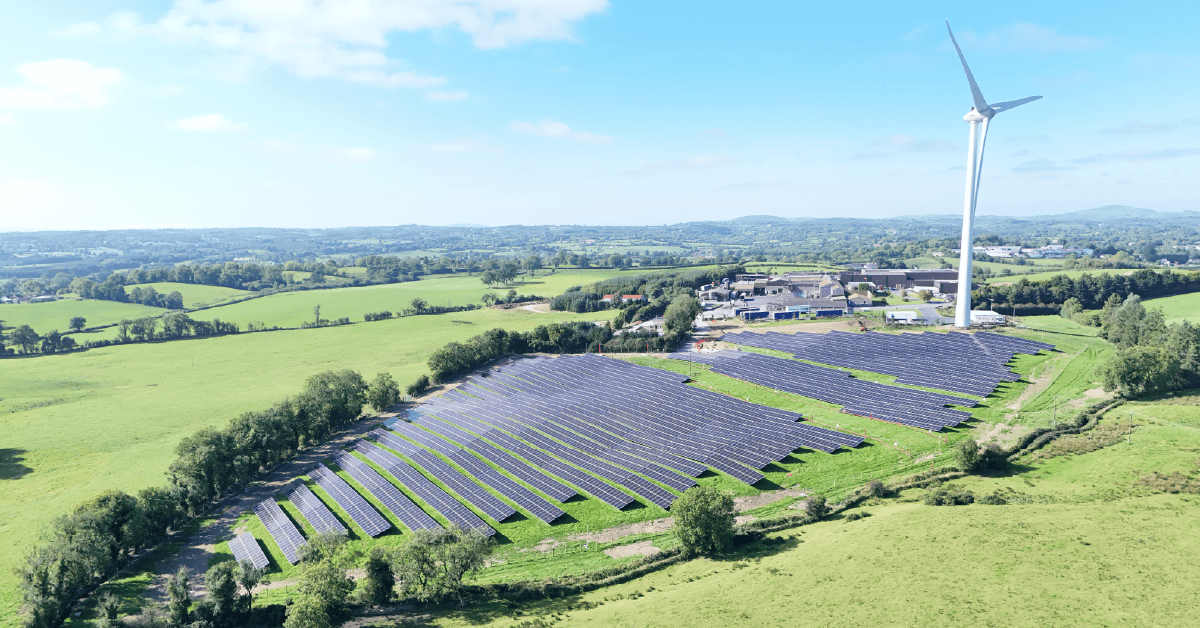
    __wf_reserved_inherit
    Liffey Meats, Co. Cavan

    And let’s not overlook the bottom line. Every cent saved on energy is a cent that can be reinvested in people, processes, and growth. Predictable rates help with planning, reduced exposure to price shocks strengthens competitiveness, and being able to point to genuine sustainability progress enhances a company’s reputation with customers, investors and employees alike. In short, PPAs allow businesses to protect profits today while building resilience for tomorrow.

    That’s why I believe PPAs are one of the most practical tools available to Irish industry right now. By working together, Activ8 and SSE Airtricity are making sure companies can act decisively, cutting carbon without cutting into capital.

    For more information on Power Purchase Agreements and what’s involved click here.
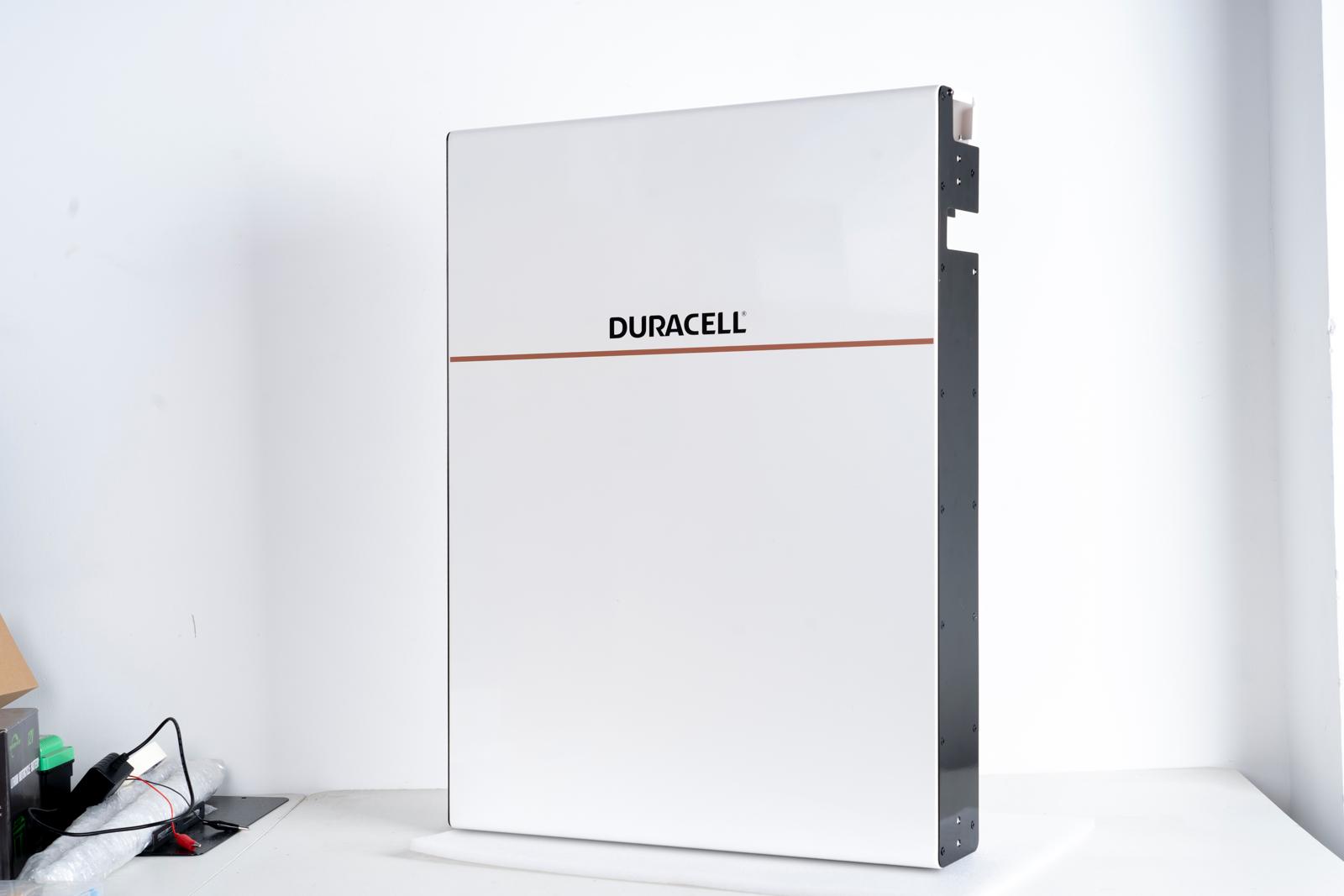
    August 26, 2025

    Solar power is an incredible, natural way to build your life around, but as with any big change in life, there’s a bit of a learning curve – though not much of one, we promise!

    You may have wondered about the viability of switching to solar energy given the fact that the sun isn’t always blazing down from the sky above, especially in Ireland. 

    Indeed, as the Sustainable Energy Authority of Ireland (SEAI) points out, around 75% of electricity produced from solar PV systems across the country occurs between the months of May to September. 

    So, how does a solar power user guarantee just as much efficiency and enjoyment in those darker times? Why, with solar power battery storage, of course.

    Understanding Solar Battery Storage

    First, a quick refresher on how solar power works. As you probably already know, a solar panel absorbs the rays of the sun, turning the sunlight into energy that is then used to generate electricity and/or heat. 

    Think of the panel like a battery generating a direct one-dimensional current. The thing about batteries, of course, is that they have a finite supply of power, unless you can quickly and easily recharge them. 

    With solar power, that can be a little tricky, especially in a situation like we mentioned earlier where a country like Ireland cannot guarantee blazing sunshine around the clock.

    As noted, the panels generate direct current electricity, which is then converted to alternating current (AC) via an inverter. This electricity is then used to power whatever household items and appliances require it. 

    Excess electricity produced by solar panels can be stored in a battery or a separate storage solution. 

    Benefits of Home Power Solar Battery Storage in Ireland

    Committing to solar energy brings with it a range of positives for you and those around you – even future generations of people are likely to gain an advantage. 

    A move to solar power will: 

    • Reduce your energy bills significantly 
    • Afford you more overall energy independence 
    • Increase the value of your property
    • Decrease your reliance on fossil fuels
    • Reduce your carbon footprint

    And in order to cement all of the above, you’ll need to invest in a proper storage solution. Thankfully, at Activ8 Solar Energies, we have that very much covered. 

    Types of Solar Batteries Available

    Let’s take a look at the different solar panels available to you, and how storage comes into play.

    Our exclusive 445W ATLAS panels are engineered by Activ8 Energies in Ireland specifically to meet challenging and ever-changing Irish weather conditions, meaning it’s highly adaptable, not to mention durable, considering the panel will only ever come from the exclusive Tier 1 rating of solar panels. 30 years of performance warranty comes as standard, as does a 25-year product warranty.

    Our pleasingly compact and lightweight Solis Solar Inverter boasts 97.7% max efficiency, while our intelligent Eddie co-smart energy diverter redirects surplus power to a designated heating appliance. This enables you to stop exporting energy back to the grid and saves money on your energy bill. 

    And speaking of surplus power, our partnership with Duracell ensures the most efficient and sustainable charging experience possible. The top-of-the-range Dura5 battery works seamlessly with solar panels, or as a stand alone battery storage system. 

    During the day, it stores the excess energy generated by your solar panels, for use either at night or during periods of inclement weather. 

    Alternatively, the battery can be used without solar to draw low-cost electricity from the grid during off-peak hours, thus storing it for later use during peak periods. 

    The Dura5 also boasts the ability to charge and discharge in just one hour, allowing rapid access to energy reserves on demand. 

    We have three different types available: 

    Dura5 5kW

    This battery offers top-tier performance and safety with its lithium iron phosphate chemistry. It features a 10-year warranty, modular expandability up to 32 units, and supports both stackable and wall-mounted installations. 

    Dura5 10kW

    This system combines two 5.15 kWh Dura LiFePO4 batteries, delivering enhanced capacity. It also features the aforementioned 10-year warranty, modular expandability up to 32 units, and supports both stackable and wall-mounted installations. 

    Dura5 15kW

    For those in need of plenty of energy, the Dura5 15kW battery combines three 5.15 kWh Dura LiFePO4 batteries, delivering enhanced capacity. And yes, it also features the aforementioned 10-year warranty, modular expandability up to 32 units, and supports both stackable and wall-mounted installations. 

    Choosing the Right Solar Battery for Your Home

    Based on the above information, you should be able to glean the best fit for your home battery storage. 

    By and large, it’s going to come down to how much energy consumption you anticipate in your household, whether a constant set amount that functions throughout the year or, if possible, contrasting measures to reflect significant shifts in the seasons.

    Generally speaking, it’s probably not a bad idea to adopt a ‘have and not need than need and not have’ approach when it comes to something as integral as supplying your home with enough electricity and heat to get by. 

    As such, battery capacity and lifespan are going to play a major part here. All Dura5 batteries come with 10-year warranty so there’s no difference should you prefer to start small – your budget will likely also prove a factor – and potentially build up from there. 

    Solar Battery Storage Installation Process with Activ8 Energies

    Once you register your details with us, we will give you a call to organise an appointment with one of our solar consultants. 

    If you decide to go ahead with a move to solar upon our visit, a technical survey will subsequently be conducted before any installation and you’ll be contacted by our installations team regarding available dates that best suit you. If you’re considering a total home upgrade we can also guide you through the One Stop Shop process.

    We’ll also guide you through every step of the process and offer ongoing support throughout, should you need it – customer care is extremely important to us, as you can see via our reviews and ratings hub on Trustpilot. 

    FAQ

    How long will a solar battery last? 

    On average, a solar battery is expected to last for between 5 to 15 years. The Duracell Dura5 battery, however, boasts a lifespan of 8,000 cycles, which equates to approximately 20 years. It’s also purpose-built to withstand tough outdoor conditions.

    How much does a solar battery cost? 

    The Dura5 typically costs between €3,500 and €4,500. You can get a quote with us right away. 

    Is solar battery storage right for me?

    Generally speaking, this comes down to you and your lifestyle. Do you find yourself and your household consuming a large amount of energy to the point you require a surplus, particularly in evenings or autumn/winter months? If so, it’s certainly worth considering. 

    How do I maintain my solar battery?

    As noted, the Duracell Dura5 model is exceptionally durable, but that doesn’t mean you should neglect or mistreat it. If possible, store the battery in a cool, dry place, conduct regular efficiency and maintenance checks, keep it clean, and avoid overcharging. 

    Conclusion

    By now, you should have a fair idea of how a professional solar power battery storage system can benefit you as a homeowner, or even as someone running a small business. 

    Ready for solar? If you require any further assistance or just want to talk through it all with one of our friendly and dedicated experts at Activ8 Solar Energies, you can get a free consultation today – get in touch with us here. 

    August 26, 2025

    Perhaps the most pertinent and indeed valid question on your mind – are solar panels worth the investment? 

    Understanding the Solar Panel Landscape in Ireland

    There is a genuine, visible ‘solar panel community’ in Ireland, and it’s only getting larger.

    A report issued in October 2024 revealed that almost 400 solar farms are currently in development across the country. If successfully installed, they would double the amount of solar electricity targeted for generation by 2030. 

    Furthermore, it is estimated that the solar industry could be worth as much as an annual €2.7 billion to the Irish economy by the close of the 2020s. 

    The Irish Solar Energy Association (SEAI), meanwhile, has identified an incredible 335% increase in solar energy in Ireland in recent years – homeowners and businesses of all sizes are embracing either a move to solar, or a significant upgrade there of. 

    And with numerous government grants and incentives available to help you facilitate that move and reduce your costs, there’s never been a better time to switch on.

    The Irish Climate and Solar Panel Efficiency

    You may well think that ‘Ireland’ and ‘solar power’ don’t fit as naturally together as you’d like them to, given frequent inconsistency in our weather patterns and the difficulty in guaranteeing prolonged periods of sunshine, even in the summer months. 

    According to Met Éireann, Ireland’s annual sunshine totals for 2024 ranged from 1,163 hours to 1,377 hours, while the highest number of daily sunshine hours clocked in at 15.9 hours. For context, a ‘dull day’ is classified as a day with less than 0.5 hours of sunshine. 

    All this data can bring about some pretty common misconceptions when it comes to how solar panels function. 

    Yes, we’re talking about a purpose-built panel designed to absorb the rays of the sun, subsequently transforming into energy for generating electricity and/or heating. And yes, you are going to see the best results in spring and summer months. 

    But, a solar photovoltaic (or PV) system generates its energy from photons and radiation levels, meaning it functions in diffused light and on overcast and even rainy days. Meanwhile, our ATLAS Duo N-Type solar PV panel 445w is sourced specifically to meet challenging and ever-changing Irish weather conditions, and our partnership with Duracell ensures an incredibly efficient charging and surplus storage experience. 

    So, while you may have to brace yourself when leaving the house, you can rest assured that our solar PV set-up will keep things moving. 

    Calculating the Cost of a Solar Panel Installation

    The general estimate for solar panel installation in an average Irish home is around €10,000, though several determining factors are in play.

    Average Solar Panel System Costs in Ireland

    Not everyone’s solar energy journey is the same – you are your own individual with your own specific circumstances and needs, after all. Also, if you successfully apply for a solar-focused grant, that will help drive your overall costs down. 

    Consider the following elements: 

    • The amount of electricity you consume in your home or business 
    • The time of day you are inhabiting the space
    • The size of the system 
    • The orientation of your roof in terms of exposure to sunlight
    • How much space you have available on the roof
    • The efficiency of the panels themselves
    • Your desired budget 
    • If a government grant has been approved or denied

    We strongly recommended availing of a professional assessment before making any major decisions. With that in mind, you may contact an expert member of our team on 042 969 0352, or info@activ8energies.com.

    Additional Costs to Consider

    You will also need to factor in costs for additional materials such as inverters, batteries (should you require more storage in this regard), any necessary electric upgrades, and installation fees. Grants may be available in some cases to lighten the financial load. 

    How Solar Panels Save You Money

    The aforementioned costs are plain to see – getting set up with a solar panel system may not be cheap, but the long-term financial benefits are huge and really do pay off.

    Reduced Electricity Bills: Real-World Examples

    The great thing about the increasing trend in people adapting to solar energy is that it has resulted in many positive real-world case studies and testimonials that you can see for yourself before making your own long-term commitment. 

    “A well-detailed solar-PV system is a fantastic addition, and I only wish every family in Ireland could enjoy one.” – Irish Examiner

    “Money and fun were the unexpected benefits of installing solar panels.” – Guardian

    “A year of solar panels, and my electricity bill has been halved.” – TheEcho

    Looking at that last one alone, the writer notes that the bill in question dropped from roughly €1,300 per year to about €420, “thanks to the panels, battery, export payments, government credits, and habit changes”. 

    It’s also worth noting that a move to solar energy has become a more attractive option not just for you, but for the banks. As the Irish Independent points out, AIB, Bank of Ireland, and PTSB all offer low-cost loans under the Home Energy Upgrade Loan Scheme, which enables homeowners to borrow between €5,000 and €75,000. 

    Long-Term Savings and Increased Property Value

    Overall, a move to solar energy is going to significantly reduce your existing energy expenses, while also adding major value to your property. 

    We estimate that a move to our solar power panels will lock in electricity prices for over 25 years, and you can expect to save up to 75% on your bills.

    On average, solar panels last between 20 and 30 years. Our certified panel comes with 30 years of performance warranty and a 25-year product warranty.

    Selling Excess Energy Back to the Grid (Microgeneration)

    Under the Microgeneration Support Scheme offered by the Sustainable Energy Authority of Ireland (SEAI), homeowners may receive a payment for any residual electricity they export back to Ireland’s energy grid. 

    In summer 2024, ESB Networks estimated that 100,000 microgeneration customers in Ireland were connected to the national electricity grid. 

    The following rates per provider in terms of how microgeneration payment is calculated is accurate as of December 2024: 
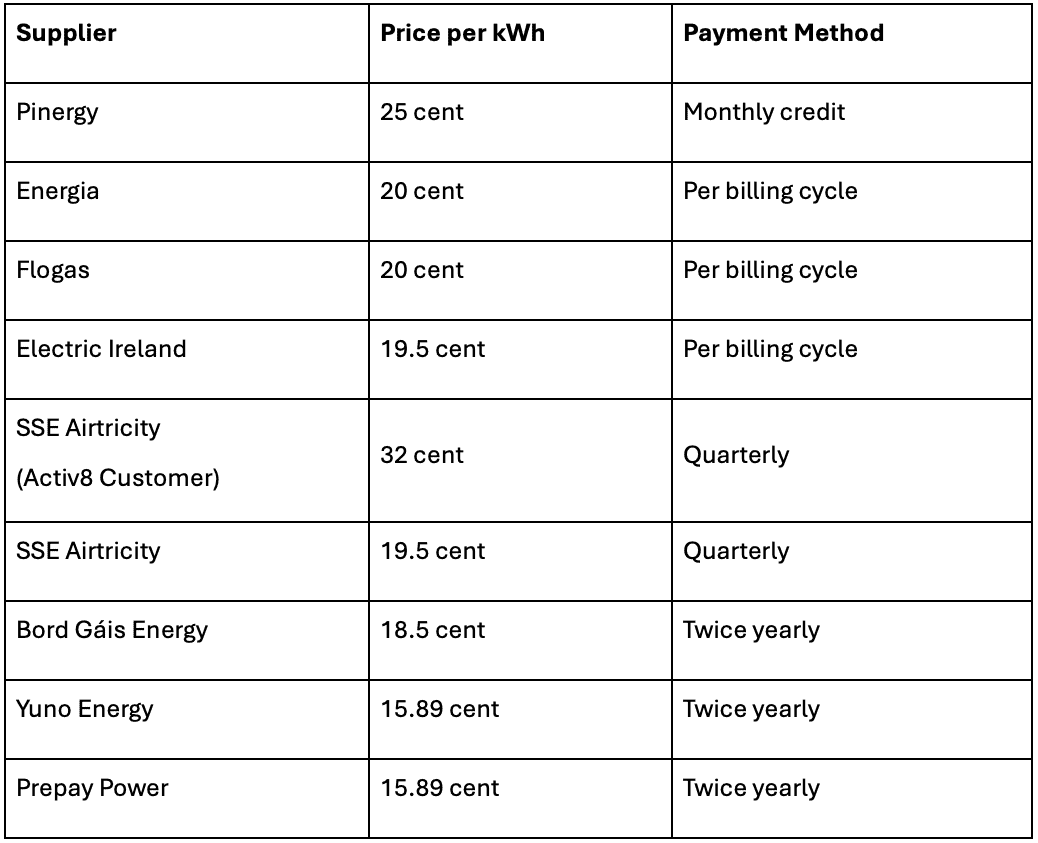
    __wf_reserved_inherit

    Solar Storage

    Alternatively, banking that additional energy with a dedicated solar power battery storage system will enable you to sidestep unnecessary high electricity prices later on.

    Factors Affecting Your Solar Panel ROI in Ireland

    As outlined above when calculating the costs associated with a solar panel installation, your overall return on investment is going to be influenced by many different factors. 

    These include: 

    • Roof orientation and angle 
    • Your specific energy consumption habits
    • The location of your property 
    • How much the installation cost
    • Amount of energy consumed
    • Potential upgrade and maintenance costs 
    • Available grants
    • ‘Before and After’ conventional energy cost comparisons
    • Successful microgeneration

    Real-Life ROI Examples: Solar Panel Success Stories in Ireland

    At Activ8 Solar Energies, we pride ourselves on our customer experience, so who better to illustrate the real-world benefits and positive return on investment that solar panels can bring than the people we’ve helped set up over the past two decades? 
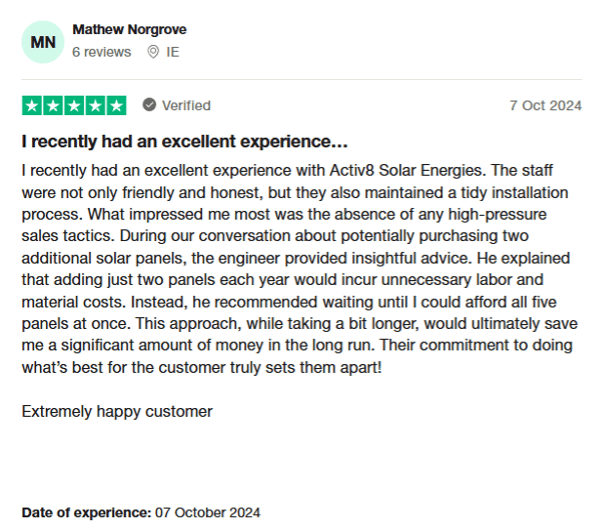
    __wf_reserved_inherit
    __wf_reserved_inherit
    __wf_reserved_inherit
    __wf_reserved_inherit
    __wf_reserved_inherit

    And if you’d like to look closer yourself, we encourage you to browse our visual collection of nationwide residential case studies here. 

    Is Solar Electricity Worth it in Ireland?

    The bottom line – is it worth getting solar panels? 

    As we’ve mentioned once or twice, committing to solar power is likely going to depend on a number of factors, including your own unique needs and circumstances.

    The case for ‘yes’ is highly compelling. Renewable and clean energy boosts both your own lifestyle and that of the overall ecosystem at large. You’ll also help lower the country’s reliance on imported oil and gas. 

    As for your own pocket (probably the most important element here, let’s be honest), you’ll see a major reduction in your energy bills, while introducing the possibility to profit by selling excess electricity back to the grid. Your property becomes more attractive with solar panels attached, too, if you’re looking to move on some day. 

    We won’t lie, there are some downsides to consider, but they’re largely up-front costs that will pay off in the long run, and it bears repeating that even though Ireland isn’t exactly Miami Beach when it comes to constant sunshine, solar panels still function strongly in diffused light, and solar battery storage can provide additional stability.

    Generally speaking, if you’re still on the fence when it comes to switching to solar energy, it’s probably a good idea to weigh up the ever-reliable ‘pros and cons’:
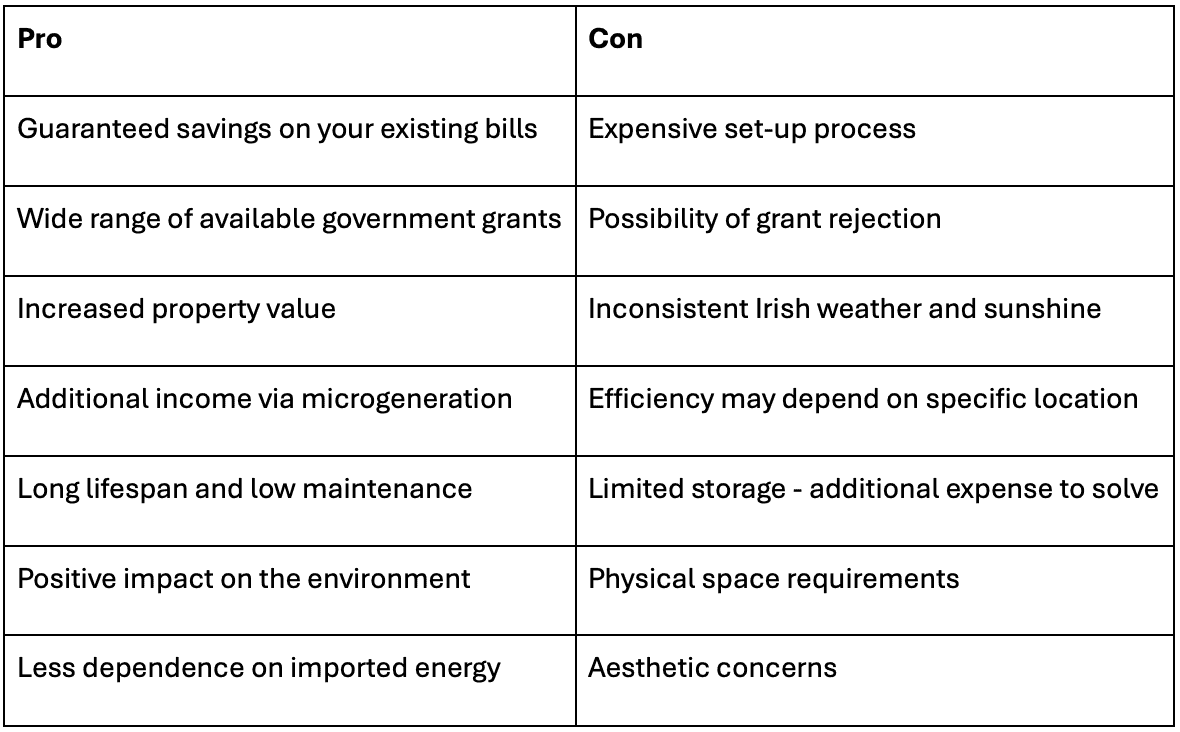
    Pros and Cons of Solar Panels in Ireland

    __wf_reserved_inherit

    Calculating Your Potential ROI with Activ8 Energies

    Here’s the thing – yes, we want you to embrace solar energy for the good of the environment and the world at large, but we also want you to experience the financial benefits of doing so. 

    That’s why the team at Activ8 Solar Energies is so committed to your return on investment, from calculating it at the outset to making it a reality to enjoy for years to come. 

    We’ve guided homeowners across Ireland through this journey since 2007, and we’re ready and waiting for you to take the next step with us. We’re also an SEAI registered One Stop Shop service provider, meaning you can save even more on energy bills by powering your whole home with cleaner energy. For a free consultation with one of our dedicated experts – get in touch with us today.

    August 26, 2025