

All the latest solar related news in Ireland and around the world
September 29, 2026
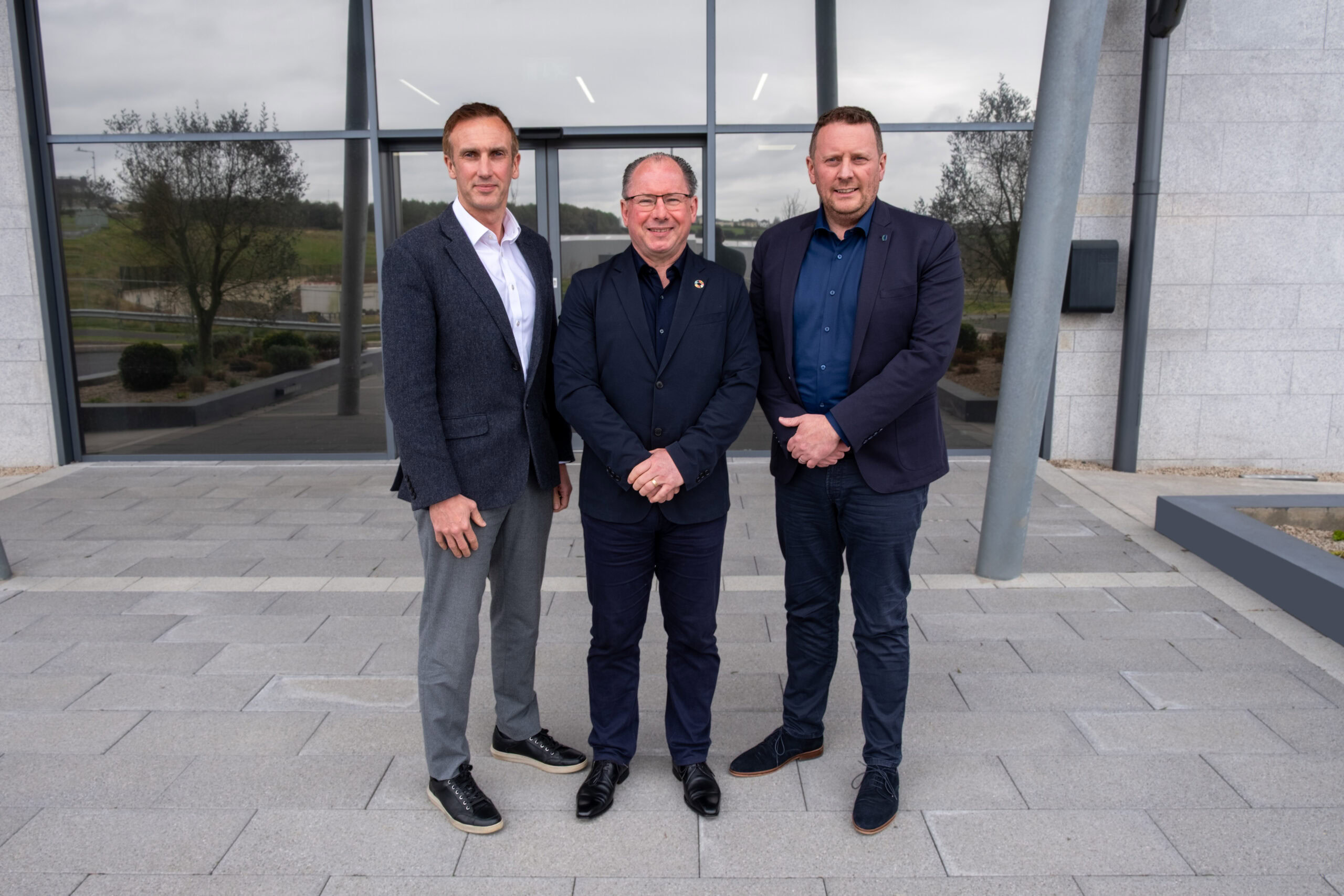
L-R Stephen Gallagher – MD SSE Airtricity, Barry Gavin – Activ8, Ciaran Marron – CEO, Activ8
The solar energy solutions provider aims to strengthen its board with Gavin’s senior sustainable finance and clean energy infrastructure expertise
Activ8 Solar Energies, Ireland’s leading solar provider, has appointed Barry Gavin as an Independent Non-Executive Director and Chairperson of the company’s board.
Barry brings over 25 years’ experience in sustainable finance and clean energy infrastructure, spanning C-suite executive, Chair and non-executive board roles with organisations including Gaelectric, CODEMA, An Post and FuturEnergy Ireland. He has extensive experience in corporate governance, strategy and investment, alongside sector expertise spanning the primary emitting sectors: power, heating/cooling, and transport, with experience across residential, commercial and industrial markets. This gives him a broad, cross-sectoral perspective on the challenges and opportunities associated with the energy transition. Barry is also an Adjunct Lecturer at UCD Michael Smurfit Graduate Business School, where he lectures in Sustainable Finance and Renewable Energy Finance.
He is a Fellow of the Chartered Institute of Management Accountants, holds an MBA from Dublin City University, has been approved by the Central Bank of Ireland to hold Pre-Approval Controlled Function (PCF) roles as an Independent Non-Executive Director, and is a member of the Institute of Directors.
Ciaran Marron, CEO and Founder of Activ8 Solar Energies, said: “Barry’s experience across sustainable finance and clean energy infrastructure is a significant addition to our board. He is a real authority in our sector, with a rare combination of executive and non-executive experience and a deep understanding of governance in regulated environments – all of which will support us well as we continue to grow.”
Commenting on his appointment, Barry Gavin said: “This is an exciting time to join Activ8. Over two decades, the team has built a strong position in the Irish solar market, providing a solid platform for the next phase of growth. I’m looking forward to working with Ciaran, the Board and the wider team as the business develops. The energy transition has been a significant part of my executive, board and academic work, and I’m pleased to bring that experience and perspective to Activ8.”
This appointment comes at an exciting time for Activ8, as the company celebrates 20 years in business, having recently launched its all-island funded solar initiative – worth up to €200 million – helping Irish businesses install on-site solar systems without upfront costs through long-term Power Purchase Agreements.
All the latest solar related news in Ireland and around the world
When people talk about installing solar panels in Ireland, the conversation usually starts with electricity bills.
Someone has seen a neighbour’s panels go up, or they’ve heard about the SEAI grant, and the first question is almost always about savings. But it doesn’t take long before another thought creeps in – usually from someone thinking a little further ahead, “What would it do for the value of the house?”
It’s a very Irish way of looking at things. Homes here aren’t just places to live; they’re long-term investments. Any upgrade, whether it’s an extension, new windows or a heating system, tends to be viewed through the same lens. If we put money into the house, will it come back to us someday?
Solar panels fall into that same category. They’re primarily installed to reduce electricity costs and improve energy efficiency, but they can also influence how a property is viewed when it eventually goes on the market.
Energy efficiency has quietly become one of the more important features buyers look at when viewing homes in Ireland.
A decade ago the BER certificate was something many people barely glanced at. Today it’s often one of the first things buyers notice when browsing property listings. That’s largely because running costs have become such a major concern.
Homes that are cheaper to heat and power naturally become more attractive.
Research and property commentary in Ireland increasingly link improvements in a home’s Building Energy Rating with higher resale values. An Irish Independent report examining energy upgrades noted that improving the energy efficiency of a home can significantly increase its value, reflecting the growing demand for properties that are cheaper to run.
Solar panels often play a role in those improvements because they generate electricity directly on the property and reduce reliance on the grid.
Solar PV panels produce electricity from daylight, which means the home needs to buy less electricity from the national grid.
In Ireland’s BER system, that matters because energy ratings are calculated partly on how much primary energy a house consumes. Generating electricity on the roof improves that overall efficiency.
Because of this, installing solar panels can contribute to improving a property’s BER rating. Higher ratings tend to appeal to buyers because they signal lower running costs and a home that has already been upgraded for modern energy use.
For someone comparing two otherwise similar houses, a stronger BER rating can make one property feel like the safer long-term option.
Another factor influencing property value is simply how common solar panels have become.
Drive through many housing estates in Ireland now and it’s clear the technology is no longer unusual. Panels are appearing on everything from new builds to older dormer bungalows and farmhouses.
That familiarity matters. When buyers see solar panels today, they’re less likely to view them as a novelty and more likely to see them as a practical feature. The assumption is that the home will be cheaper to run and already a step ahead in terms of energy upgrades.
While writing this, I asked a local estate agent whether solar panels really add value to a house. His answer was short and to the point: “Of course they do.”
Homes that include renewable energy technologies are increasingly seen as more future-proof in a market where energy costs remain unpredictable.
It’s important to keep the impact in perspective. Solar panels do not automatically increase a property’s value by a fixed percentage.
What they tend to do instead is strengthen the overall appeal of the house. Buyers often recognise that a property generating its own electricity comes with ongoing financial benefits.
Solar panel systems also have a long lifespan. Most modern panels are designed to operate for twenty-five years or more, meaning a significant portion of that lifespan will remain for any future owner.
That remaining generation potential can make the property more attractive, particularly when energy costs remain a regular topic in Irish households.
Studies examining solar installations internationally suggest homes with solar panels can sometimes sell for several percent more than comparable homes without them, largely due to the expected energy savings.
In reality, solar panels rarely exist in isolation.
Many homeowners who install solar also begin looking at other improvements such as insulation upgrades, heat pumps or battery storage. When those upgrades are combined, the result is often a home that is not only cheaper to run but also significantly more energy efficient.
That’s increasingly how energy upgrades are approached in Ireland today. Through the SEAI One Stop Shop programme, companies like Activ8 Energies assess how a house uses energy as a whole before recommending changes. Solar panels can then form one part of a wider plan designed to improve efficiency and long-term comfort.
When viewed in that broader context, the impact on property value often becomes clearer.
The simplest answer is that solar panels can contribute to property value, but not in a guaranteed or easily measurable way.
They improve energy efficiency, help strengthen BER ratings and make a property more appealing to buyers who are conscious of energy costs. As more homes adopt renewable technologies, those advantages are becoming easier for buyers to recognise.
For most homeowners, however, the real benefit appears long before the house ever goes on the market. Solar panels begin generating electricity from the moment they are installed, reducing reliance on the grid and lowering electricity bills.
If those same panels also make the property more attractive to a future buyer someday, that’s simply an added bonus.
March 19, 2026
At the start of February, I came home from a weekend away to discover our heating oil had run out. Typical timing — the weather was freezing. I ordered 300 litres the next day just to tide us over.
The cost? €300.
A month later, the price from the same supplier for the same amount had risen to €527.
Sudden jumps like that can feel shocking, but they’re not unusual in oil markets. And recent headlines suggest many Irish households may be facing similar surprises.
Home heating oil prices in Ireland have surged sharply in recent weeks, bringing renewed attention to the volatility of fossil fuel markets. According to recent reports, the average price for 500 litres of heating oil rose to over €800 — an increase of nearly 60% in less than a week following rising tensions in the Middle East.
For households that rely on kerosene to heat their homes, spikes like this highlight a broader reality: oil heating costs are closely tied to global energy markets, which can change quickly when supply disruptions or geopolitical tensions occur.
Unlike electricity or gas tariffs, heating oil is typically purchased in bulk and delivered directly to homes. Because of this, prices can respond rapidly to movements in global oil markets.
Heating oil is closely linked to crude oil and diesel prices, meaning that shifts in global supply or expectations about future shortages can quickly translate into higher prices for households.
For homeowners filling an oil tank once or twice a year, this volatility can make heating costs difficult to predict. One winter delivery might cost hundreds of euro more than the last.
One of the fundamental challenges with oil heating is that it depends entirely on imported fossil fuels.
Ireland imports the vast majority of the oil it uses for heating and transport. As a result, household heating costs are influenced by global supply conditions, currency movements and international demand.
This means events happening thousands of kilometres away can ultimately affect the cost of heating a home in Ireland.
For many homeowners, the recent price surge is a reminder that oil heating leaves households exposed to global fuel price swings.
Because of this volatility, many homeowners are beginning to look at alternatives that don’t rely on buying fuel.
Energy upgrades such as insulation improvements, solar electricity systems and heat pumps are increasingly being considered as part of a long-term strategy to reduce energy costs and dependence on imported fuels.
Heat pumps in particular have become one of the most widely discussed alternatives to oil boilers in Ireland.
Unlike traditional boilers that burn fuel to generate heat, heat pumps use electricity to move heat from the outside air or ground into the home.
Even when outdoor temperatures are low, modern heat pumps can extract heat energy and transfer it indoors to provide space heating and hot water.
Because they move heat rather than create it through combustion, heat pumps are highly efficient and can deliver several units of heat for every unit of electricity used.
One of the biggest advantages of switching from oil heating to a heat pump is that it removes the need to purchase heating oil altogether.
Instead of filling an oil tank and being exposed to global oil price swings, households rely on electricity to run the heating system.
Another factor making the switch more attractive for homeowners is the recent increase in government supports for heat pumps. From February 2026, SEAI grants for heat pump installations increased significantly, with homeowners now able to claim up to €12,500 towards the cost of a system, depending on the property type and upgrade works required.
The expanded grant combines support for the heat pump itself, upgrades to radiators or heating systems, and a renewable heat bonus for replacing fossil fuel heating such as oil boilers.
As Ireland’s electricity grid continues to incorporate more renewable energy such as wind and solar, electric heating systems are expected to play a growing role in the country’s energy future.
For homeowners who have experienced sudden jumps in oil prices, the appeal of a heating system that isn’t tied directly to global oil markets is becoming increasingly clear.
Heat pumps tend to work best in homes that are well insulated and designed to retain heat efficiently.
Many households therefore install them as part of a wider home energy upgrade that may include improved insulation, new windows or solar electricity systems.
Together, these improvements can significantly reduce the amount of energy a home requires while also lowering reliance on fossil fuels.
With grants now covering a significant portion of installation costs and energy prices continuing to fluctuate, many homeowners are starting to seriously consider switching from oil boilers to heat pump systems as part of a wider home energy upgrade.
For homeowners currently using oil boilers, switching heating systems is a significant decision that depends on factors such as insulation levels, home layout and available supports.
Activ8 Energies has delivered more than 25,000 home energy upgrades across Ireland, helping homeowners assess their heating systems, energy use and the potential for technologies such as heat pumps and solar electricity.
With the right combination of upgrades, many homes can reduce their reliance on heating oil while improving comfort and long-term energy stability.
March 19, 2026

Energy prices rarely stay still for long. In recent weeks, renewed tensions in the Middle East have once again raised questions about global energy markets and whether they could influence electricity prices across Europe.
While events like these don’t always lead to immediate changes in household bills, they highlight an important reality – electricity prices in Ireland are connected to international energy markets. When global fuel prices shift or supply concerns emerge, the effects can eventually ripple through the electricity system.
Understanding how energy price volatility works can help explain why bills change – and what homeowners can do to manage energy costs over time.
Energy price volatility simply refers to how much energy prices move up or down over time.
Some level of fluctuation is normal. Electricity prices respond to changing conditions like fuel costs, weather patterns, demand levels and generation capacity.
When markets are stable, those changes tend to be gradual. During periods of global uncertainty or supply disruption, prices can move more quickly.
Because electricity systems are interconnected across Europe, events far beyond Ireland’s borders can sometimes influence wholesale electricity prices here.
Ireland generates electricity from a mix of sources including wind, natural gas and imports from neighbouring markets.
While renewable energy plays a growing role, natural gas remains an important part of electricity generation. In many hours of the day, gas-fired plants help meet demand and set the wholesale price of electricity.
This means movements in global gas markets can have a direct impact on electricity costs across Europe, including in Ireland.
When gas prices rise due to supply concerns or market uncertainty, wholesale electricity prices can follow.
One aspect of energy markets that can surprise people is that prices sometimes move even when there hasn’t been a physical shortage of energy.
In recent days, there has been plenty of conversation among Irish motorists about petrol and diesel prices rising at the pumps, even though the fuel in storage may have arrived before the latest geopolitical tensions. It can leave people wondering why prices increase when the fuel itself was already there.
In reality, energy markets often respond to expectations about future supply rather than current inventories.
If traders believe supply could become constrained in the near future, prices can increase in anticipation of that risk. These movements are sometimes described as risk premiums in energy markets.
While these shifts happen at the wholesale level, they can eventually influence the tariffs offered to households. It’s one reason why many homeowners are starting to look more closely at ways to reduce how much of their energy consumption depends on global fuel markets.
For homeowners, energy price volatility mainly shows up through changing electricity tariffs.
Suppliers adjust their pricing based on wholesale market costs, infrastructure charges and regulatory factors. When wholesale prices rise for sustained periods, retail electricity prices can increase.
When markets stabilise, prices may also fall again. The key point is that electricity costs are partly influenced by factors outside any individual household’s control.
Although households cannot control global energy markets, there are ways to reduce the impact of price fluctuations over time.
These typically include improving insulation to reduce overall energy demand, choosing energy-efficient appliances, using electricity during off-peak tariff periods where available and generating some electricity at home through technologies such as solar panels. Each of these approaches helps reduce how much electricity needs to be purchased from the grid.
Solar power has become increasingly common across Ireland in recent years. Advances in panel efficiency, government grants and export payments have made systems more accessible for many households.
Solar panels generate electricity from daylight, allowing homes to use some of the power produced on their own roof during the day.
This doesn’t remove the need for grid electricity entirely, but it can reduce how much electricity needs to be purchased over the course of a year.
For some homeowners, producing part of their own electricity offers a degree of insulation from long-term energy price swings.
For homeowners exploring ways to manage long-term energy costs, understanding how your home uses electricity is the first step.
Activ8 Solar Energies has delivered more than 25,000 energy upgrades across Ireland, helping households assess their energy use, available supports and the potential for technologies such as solar. With the right system design, many homes can reduce their reliance on grid electricity while improving long-term energy stability.
March 19, 2026
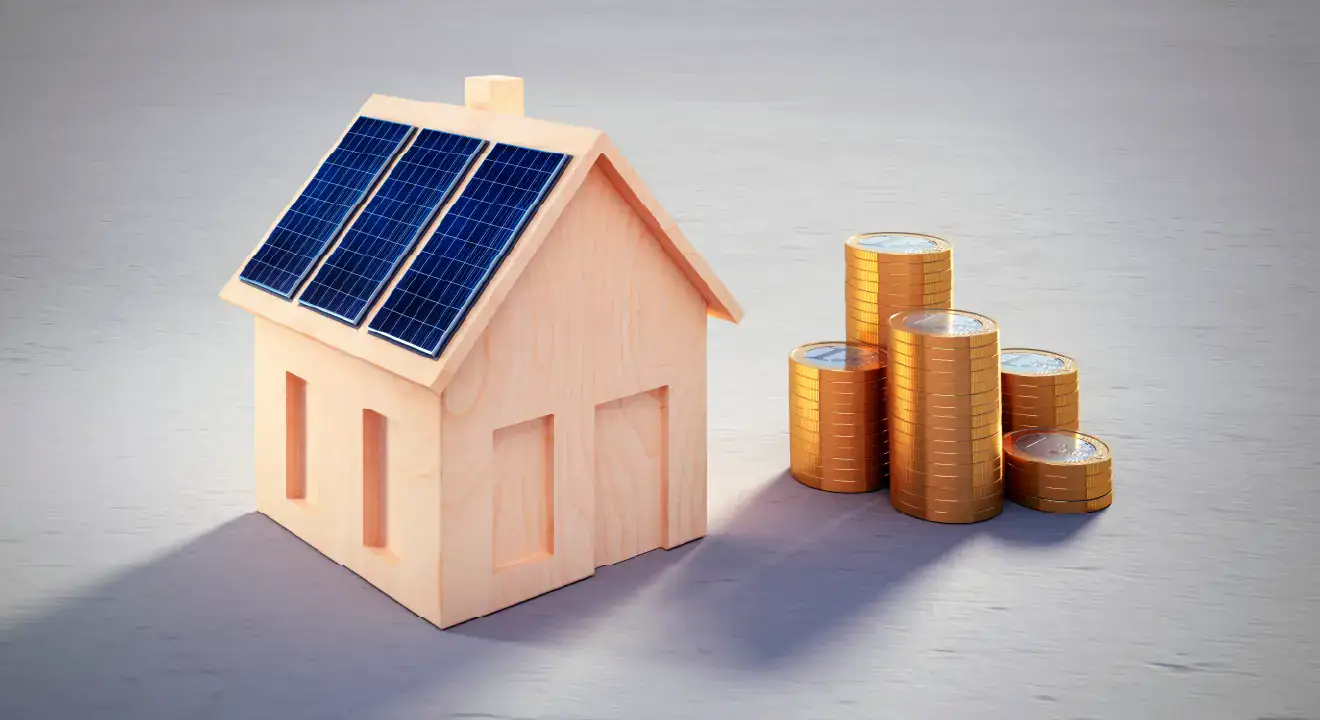
There has been a familiar topic back in the Irish news this week: rising energy prices.
With tensions in the Middle East raising concerns about global oil and gas supply, analysts are warning that electricity costs could increase again in the months ahead. Ireland, like much of Europe, remains exposed to fluctuations in global energy markets.
At the same time, the Irish Government has already ruled out new cost-of-living supports such as energy credits or excise cuts for households.
For many homeowners, that leaves a fairly obvious question:
Is there any way to protect yourself from rising electricity costs?
Increasingly, the answer people are exploring is generating some of their own electricity at home.
Electricity prices in Ireland are influenced by several global factors.
Gas remains a major source of electricity generation across Europe, and when global gas or oil prices rise, electricity markets tend to follow. Geopolitical tensions, supply disruptions and market speculation can all feed into price volatility.
For households, that volatility usually shows up months later as higher unit prices on electricity bills.
It’s one of the reasons energy costs have become such a recurring issue in Ireland over the past few years.
And unfortunately, it’s not something individual households can control.
This is where solar panels come into the conversation.
Solar PV systems generate electricity directly from daylight. That electricity is used in the home first – powering appliances, lighting, heating systems and other everyday electrical demand.
The more electricity your home generates itself, the less it needs to import from the grid.
That doesn’t mean solar panels eliminate electricity bills entirely. But they can significantly reduce exposure to rising grid prices over time.
In other words, part of your energy supply becomes something you produce yourself.
Another development that has strengthened the case for solar in Ireland is the microgeneration export scheme.
Under this system, homeowners receive payment for surplus electricity exported back to the grid.
That means solar panels aren’t just about reducing your own usage during the day — they can also generate value from electricity you don’t immediately use.
Activ8 customers who switch to SSE Airtricity can access export rates of up to 32c per kWh for surplus electricity exported to the grid.
That significantly improves the overall economics of solar generation.
Over the past few years, the conversation around home energy in Ireland has changed quite a bit.
Between rising electricity costs, improved solar technology and strong SEAI grants, more households are beginning to see solar panels not as a niche technology — but as a practical way to take some control over their energy costs.
Ireland may not be famous for endless sunshine, but solar panels generate electricity from daylight rather than heat. With long summer days and consistent daylight levels, well-designed systems perform very well here.
And as electricity prices fluctuate, generating even a portion of your own energy becomes increasingly valuable.
It’s important to be realistic.
Although it does happen, for an average household, solar panels won’t remove your electricity bill entirely, and they don’t eliminate exposure to the grid.
However, they can reduce reliance on it.
For many households in Ireland, solar panels become one part of a wider energy strategy that can also include improved insulation, heat pumps, battery storage and smarter energy use.
When these upgrades are planned together — often through an SEAI-approved One Stop Shop — the overall impact on comfort, efficiency and energy costs can be significant.
If electricity prices continue to fluctuate, more households are likely to look seriously at producing some of their own energy.
Solar panels offer one of the most direct ways of doing that.
Activ8 Solar Energies has delivered over 25,000 energy upgrades across Ireland, designing solar systems specifically around Irish homes, usage patterns and available SEAI supports.
The key is always proper planning – understanding how much electricity your home uses, how your roof performs and what level of generation makes sense.
While nobody can control global energy markets, generating some of your own electricity is one way to become a little less dependent on them.
March 19, 2026

The UK Minister for Aviation, Maritime and Decarbonisation, Keir Mather MP, today officially opened Liverpool John Lennon Airport’s (LJLA) new £3m solar farm during a visit to the airport.
The airport’s investment in the solar farm is a key part of its Decarbonisation Plan and a zero carbon future for the airport operation by 2040.
Activ8 Energies in partnership with SSE Airtricity and supported by our UK division, designed and installed the new solar farm, which is located within the airport perimeter fence on land to the east of the runway. It is capable of generating up to 3 MW (megawatts) of electricity, powering up to 25% of the airport’s current overall electricity demand.

The Minister opened the solar farm as part of a wider visit to also find out about the airport’s recovery since the pandemic, with 2025 being the airport’s busiest year ever.
Ciaran Marron, CEO of Activ8 Energies, commented, “We’re proud to have partnered with SSE Airtricity and Liverpool John Lennon Airport to deliver a system that will generate clean electricity on site for decades to come. This project also marks an important step in Activ8’s continued expansion in the UK, bringing our proven delivery capability to large-scale infrastructure projects.”
Benedict Ennis, Managing Director of Activ8 Energies UK, said, “This project is a direct result of the investment we’ve made in building and scaling our UK operation. It has given us the capability to deliver projects of this scale while supporting businesses across the UK in reducing energy costs and accelerating their transition to renewable power. Combined with Activ8’s proven track record, we are well positioned for continued growth, with a strong pipeline of projects already in development.”
John Irving, CEO Liverpool John Lennon Airport, added, “We really appreciate The Minister taking the time to meet with us today to see at first hand our recent progress and our commitment to minimising energy use and how we are working to reduce our CO2 emissions. Our new solar farm is the next part of our journey towards a zero carbon future by 2040.”
March 19, 2026

My parents are in their early seventies and live in a detached dormer bungalow in rural Ireland built in the early 1970s – one of thousands of homes that went up during what was often called the bungalow blitz.
Like many houses of that era, it was never exactly renowned for holding heat. Growing up, winter meant layers of clothing, a fire lighting ritual that could take half an hour, and a constant awareness that heat had a habit of disappearing out through walls, windows and anywhere else it could find. “Shut that door after you”, “were you born in a field?”, and “there’s an awful draught” were common utterances as winters were spent mostly decamped to the back sitting room.
Recently I called in for a cup of tea and my parents asked what I’d been working on. When I mentioned writing about solar panels and home energy upgrades, the conversation took an interesting turn.
It quickly became clear that while they’d heard a lot about solar panels, they weren’t short on questions either. Some sensible, some slightly suspicious – and all of them probably shared by thousands of other homeowners across Ireland.
Here are a few that came up. I haven’t covered some of the imaginative ones like “why don’t they put solar panels on windows?”…
This was the first question. And to be fair, it’s not just about solar panels – it’s the same question that gets asked when the washing machine packs in or the car starts acting up.
But it’s one many older homeowners quietly wonder about when it comes to bigger upgrades like solar.
The assumption is often that solar panels are only worthwhile if you’re planning years ahead. But in reality, most systems installed in Ireland today are designed to perform for decades.
Even in the shorter term, they begin generating electricity from day one. That means lower electricity bills immediately rather than years down the line.
For many households, the decision isn’t really about long-term resale value or complicated payback calculations. It’s simply about making the house easier and cheaper to run.
With SEAI solar grants currently available, the upfront cost is also significantly reduced compared with a few years ago — which is one reason many homeowners are choosing to install systems sooner rather than later.
At Activ8 Energies, we regularly work with homeowners in their sixties and seventies who simply want the house to be a bit more comfortable and predictable to run.
Another very common question. Myself and my brothers left the homeplace over twenty years ago, so it’s just the two of them there now. Electricity usage often drops once the house gets quieter, but that doesn’t mean solar panels suddenly stop making sense.
Even smaller households like my parents’ still run the basics every day – lighting, appliances, kettles, washing machines, televisions and increasingly things like heat pumps or electric cars.
Solar systems can be designed to suit the home’s actual electricity demand rather than assuming a large family.
In fact, smaller households often benefit from well-designed systems because they use a good portion of the electricity generated during the day.
And under Ireland’s microgeneration export scheme, any surplus electricity exported back to the grid can earn a payment – meaning unused power still has value.
This is one of the most persistent myths in Ireland. South-facing roofs are ideal, but they are far from essential.
Modern solar systems are frequently installed on east–west roofs, which still generate strong electricity output across the day. Ireland’s long daylight hours during spring and summer mean panels can perform well even without perfect orientation.
When systems are properly designed around the roof layout, shading and usage patterns, many homes that initially seem unsuitable turn out to be perfectly viable.
It’s something installers like Activ8 Solar Energies assess carefully before recommending anything – because the goal is always to design a system that actually works for the house rather than simply filling the roof with panels.
Given the age of many Irish homes, this is another understandable concern.
In most cases, roofs from the 1970s, 80s or 90s are structurally more than capable of supporting solar panels. The panels themselves are surprisingly lightweight and the mounting systems distribute the load evenly across the roof.
What matters more than the age of the house is the condition of the roof structure and tiles.
If the roof is in good condition, solar installation is usually straightforward. If work is needed, it’s typically identified during the initial survey stage before anything proceeds.
This question tends to surprise people.
Standard grid-connected solar systems automatically shut down during a power cut for safety reasons. That prevents electricity feeding back into the grid while engineers may be working on the network.
However, homes that include battery storage and backup capability can continue to power certain circuits during an outage.
This isn’t essential for most households, but it’s an option that some homeowners choose for added resilience.
Another worry is whether the technology will suddenly become outdated.
The reality is that solar panel efficiency improvements have slowed significantly in recent years. The major leaps happened in the early development phase. Today, improvements tend to be incremental rather than revolutionary.
In other words, the panels installed today are unlikely to become obsolete overnight.
Most manufacturers offer performance warranties of around 25 years, and systems commonly continue producing electricity well beyond that.
For homeowners, the bigger factor is simply installing a well-designed system in the first place.
Conversations like the one I had with my parents are happening in houses all over Ireland.
People aren’t necessarily chasing the latest technology trend. They’re simply trying to make sense of rising energy costs, Government grants and the growing number of options available.
For many households, solar panels become one part of a wider energy strategy that might also include insulation upgrades, heat pumps or battery storage.
Companies like Activ8 Solar Energies now help homeowners look at that bigger picture through the SEAI One Stop Shop approach, assessing how a home uses energy before recommending any changes.
In most cases, the real goal isn’t complicated technology, it’s simply a warmer house, steadier bills and fewer surprises.
And if the questions my parents asked are anything to go by, plenty of other Irish households are wondering exactly the same things.
March 18, 2026

Activ8 Solar Energies has announced the commissioning of a major rooftop solar installation at the Tayto Snacks production facility in Ashbourne, Co. Meath, representing an investment of over €1.17 million. The project marks Tayto’s largest renewables investment to date and a significant step towards onsite renewable energy generation.
The system now supplies approximately 10% of Tayto’s annual power demand and is expected to generate around 667 MWh annually. This will reduce carbon emissions by an estimated 146.17 tonnes of CO₂ per year.
The project comes as Irish manufacturers face rising electricity costs, grid constraints and tightening climate targets, accelerating a shift towards onsite generation as businesses seek greater control over energy supply.

“This project demonstrates what’s possible when iconic Irish brands take decisive action on sustainability,” said Ciaran Marron, CEO of Activ8 Energies. “Onsite generation is increasingly becoming core infrastructure for manufacturers. We’re proud to support Tayto Snacks in building long-term energy resilience while reducing carbon exposure.”
John O’Connor, Managing Director at Tayto Snacks commented: “This investment marks a major step forward in strengthening our energy resilience while reducing our carbon footprint. Generating over 667 MWh of clean electricity onsite each year, this installation directly supports Ireland’s climate ambitions and reinforces our long-term commitment to sustainable manufacturing”.
The rooftop system comprises 1,734 solar panels and uses Activ8’s ATLAS Duo N-Type bifacial solar panels, designed to maximise efficiency and reliability in Irish weather conditions
Representing Sustainable Energy Authority of Ireland (SEAI), Declan Meally, Director of Business, added: “This project showcases Irish businesses leading the way in renewable energy. Generating 10% of the site’s energy from rooftop solar here at Tayto Snacks is a significant achievement, and SEAI is proud to support it. Activ8, working in partnership with SSE, has delivered a strong model that more businesses should follow.”
The initiative was supported by grant funding from SEAI under the Non-Domestic Microgeneration Grant (NDMG) scheme. Planning and development for the project began in December 2024, with onsite works commencing in March 2025. The system is now fully commissioned and operational.

March 11, 2026

We are proud to announce that Activ8 Solar Energies has been named the Energy & Utilities Winner at the Guaranteed Irish Business Awards 2026. This follows on from winning the Green Energy Provider Award 2026 last week.
The award recognises businesses that demonstrate Positivity, Quality of Life, Enterprise, and Inclusivity. Activ8 Solar Energies was recognised for its measurable impact in accelerating solar adoption across Ireland, while creating jobs, investing locally, and supporting communities through education, sport, and climate action initiatives.
This year’s awards saw a record-breaking number of applications, with businesses evaluated against the organisation’s core beliefs: Positivity, Quality of Life, Enterprise, and Inclusivity.
Receiving the Energy & Utilities award recognises Activ8 Solar Energies’ role in leading Ireland’s energy transition through measurable impact, innovation, and a deeply embedded culture of sustainability.

For two decades, Activ8 has helped thousands of homes and businesses across Ireland take control of their energy through solar power, reducing carbon emissions while lowering energy costs. This award acknowledges not just technological leadership, but the company’s wider contribution to society and the economy.
Activ8 was recognised for its measurable impact in accelerating solar adoption across Ireland while creating jobs, investing locally, and supporting communities. Through initiatives in education, sport, climate action, and inclusivity, the company continues to drive positive change both locally and nationally.
By combining innovation, sustainability, and diverse talent, Activ8 is building a resilient organisation that supports customers’ evolving energy needs while helping deliver a fair and sustainable energy transition.
Through job creation, local procurement, and continued investment in renewable technologies, Activ8 Solar Energies demonstrates how enterprise can strengthen communities and contribute to a more sustainable Ireland.
Our mission remains simple yet ambitious: to build a better, fairer, and more sustainable Ireland for all.

March 6, 2026

We are incredibly proud to announce that Activ8 Solar Energies has been awarded the Green Energy Provider Award 2026 at the prestigious Green Business & Sustainability Awards, marking our second consecutive year receiving this national recognition.
Winning this award once was an honour. Winning it two years in a row is a powerful affirmation of our unwavering commitment to building a cleaner, greener, and more sustainable future for Ireland.
As one of Ireland’s leading renewable energy companies, Activ8 Solar Energies has earned national recognition for innovation, sustainability and customer excellence. Over the past 18 months, the company’s achievements have been recognised at the Green Awards, All-Ireland Sustainability Awards, Business Energy Achievement Awards, Climate Change Leadership Awards, Health & Safety Excellence Awards, and the Guaranteed Irish Business Awards, as well as through Deloitte Best Managed Company status. These accolades reflect Activ8’s leadership across renewable energy, sustainability, business performance, customer experience and operational excellence.
As Activ8 continued to grow, it also strengthened its governance structures through the appointment of an Independent Non-Executive Director. Bringing valuable external insight and strategic oversight to the board, the role has enhanced decision-making and accountability, helping position the business for its next phase of sustainable growth and long-term success.
Retaining the Green Energy Provider Award reflects the consistency of our vision and the strength of our delivery. It recognises:
At this year’s ceremony, held at the Clayton Hotel, we once again stood among Ireland’s most forward-thinking sustainability leaders, policymakers, and innovators. The evening celebrated collaboration, ambition, and the collective drive to accelerate climate action across the country.

This latest achievement follows our recent Green Energy Provider of the Year recognition and the prestigious Deloitte Best Managed Companies Award, further cementing Activ8’s position as a pioneer within the Irish solar industry.
Back-to-back success at the Green Business & Sustainability Awards highlights not only what we’ve achieved — but how we continue to evolve.
While we celebrate this milestone, our focus remains firmly on what lies ahead. The urgency of climate action has never been greater. As Ireland continues its transition toward renewable energy, Activ8 is more determined than ever to lead from the front — pushing boundaries, embracing innovation, and delivering real, measurable change.
Our mission remains clear:
To make renewable energy accessible, efficient, and impactful for homes and businesses across Ireland.
This achievement belongs to our incredible team, our trusted partners, and our loyal customers. Every solar panel installed, every system optimised, and every sustainability conversation contributes to this shared success.
Together, we are shaping a brighter, more sustainable Ireland — one installation at a time.
Here’s to continuing the journey.
March 3, 2026

Driving to visit my parents in rural Louth recently, I couldn’t help noticing two things.
Every second house seemed to be flying red and white flags as the county enjoyed its memorable run to the All-Ireland semi-finals.
And every fourth or fifth house seemed to have solar panels on the roof.
One reflected county pride, while the other reflected something else entirely.
More and more homeowners across Louth are looking for ways to reduce their electricity bills, make better use of renewable energy and future-proof their homes.
Which naturally leads to one question:
Are solar panels worth it in Louth?
For many homes, the answer is yes.
County Louth has experienced significant population growth in recent years, particularly around Drogheda and Dundalk, with many families commuting to Dublin while looking to reduce household running costs.
Modern homes, good roof space, growing EV ownership, rising electricity costs and an increasing focus on energy efficiency have all contributed to more homeowners considering solar.
Yes.
One of the biggest misconceptions is that Ireland simply doesn’t receive enough sunshine for solar panels to make financial sense. Spoiler alert – that’s wrong.
Fortunately, solar panels don’t need constant sunshine to generate electricity.
They generate electricity from daylight, which means they’ll continue producing power even on many overcast days.
Like the rest of Ireland, Louth receives plenty of daylight throughout the year, making it well suited to residential solar systems.
Every home is different, so savings depend on factors including your household electricity usage, roof size and orientation, whether you install battery storage, how much electricity you use during the day and your future plans for an electric vehicle or heat pump.
Many homeowners find solar helps reduce reliance on the grid while offering greater certainty over future electricity costs.
Homeowners in Louth may be eligible for the SEAI Solar PV Grant, helping reduce the upfront cost of installation.
The grant is available throughout Ireland, subject to eligibility criteria and current SEAI rules.
Activ8 Solar Energies can guide homeowners through the grant process as part of their installation.
If you’ve spent any time on the M1 recently, you’ll probably have noticed the number of electric vehicles continuing to grow.
For many households, solar panels and EV ownership are a natural combination.
Charging an electric vehicle using electricity generated from your own roof can significantly reduce running costs compared with relying solely on the grid.
Many homeowners first begin researching solar after hearing about BER ratings.
While solar panels aren’t the only factor that influences a BER rating, they can contribute positively to a home’s overall energy performance alongside improvements such as insulation and heating upgrades.
That’s one reason solar has become an increasingly popular choice for homeowners looking to improve both energy efficiency and long-term running costs.
For many homeowners, yes.
Louth combines modern housing, good solar conditions and increasing demand for lower energy bills, making solar an increasingly attractive long-term investment.
Every property is different, but for households looking to reduce electricity costs while improving energy independence, solar is certainly worth exploring.
Yes. Solar panels generate electricity from daylight rather than direct sunshine, making them effective throughout Ireland.
Yes. Eligible homeowners can apply for the SEAI Solar PV Grant.
That depends on your electricity usage, roof size, orientation and future energy requirements.
They can contribute positively to your home’s energy performance, alongside other energy-efficiency improvements.
No two homes use electricity in exactly the same way.
That’s why no two solar systems should be identical.
If you’d like to see what solar looks like on homes similar to yours, you can browse some of Activ8’s recent residential solar installations across County Louth.
With over 20 years’ experience and more than 25,000 installations across Ireland, Activ8 Solar Energies helps homeowners across Louth understand what solar could look like for their home, including battery storage, EV charging, available grants and projected savings.
If you’re thinking about installing solar panels in Louth, you can get in touch with the Activ8 team for a tailored assessment.
March 1, 2026
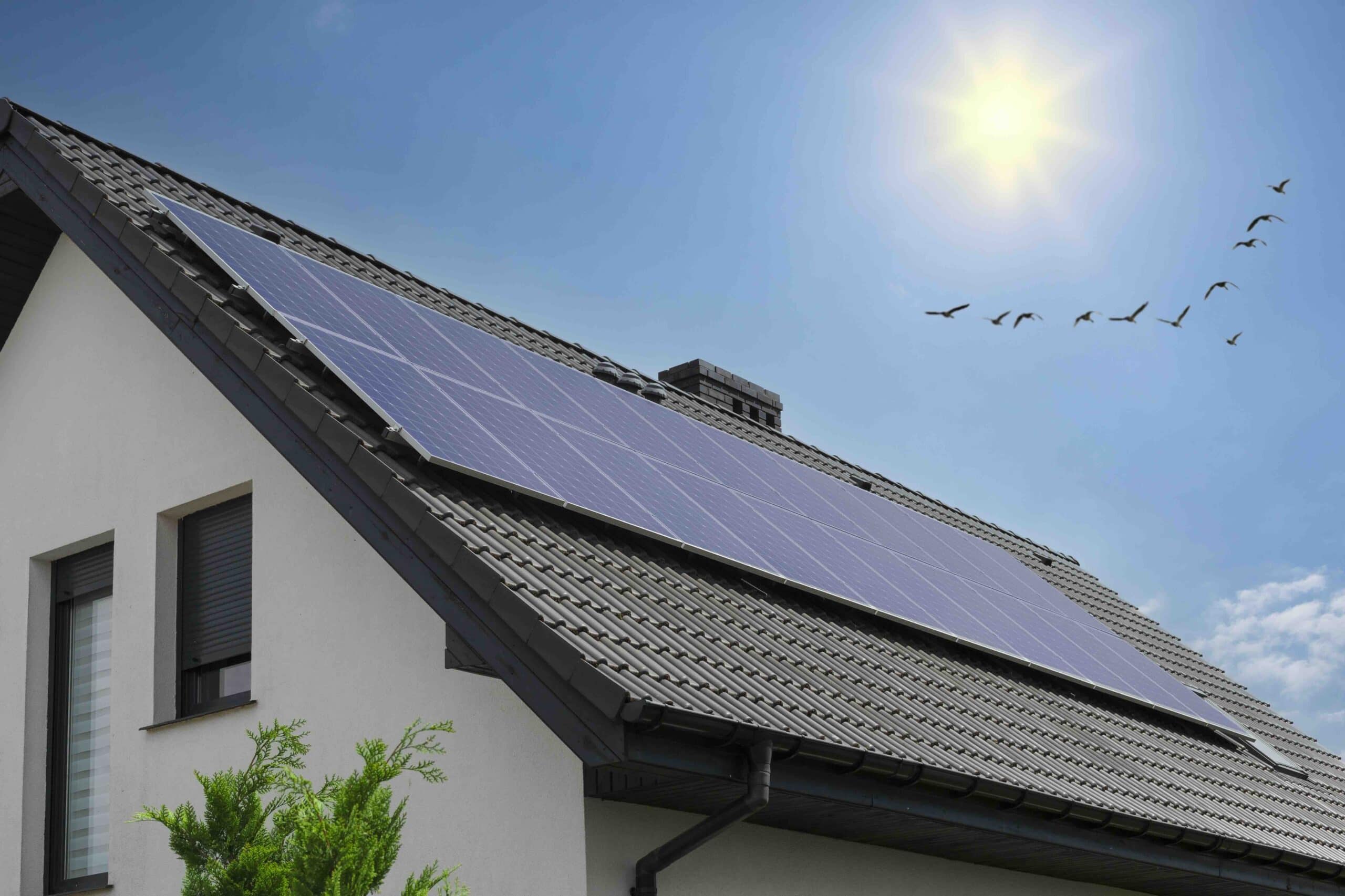
There’s still a surprising amount of confusion around one very simple question. What exactly do solar panels do? We’ve heard everything from, “Do they heat the radiators?” to “Are they just for hot water?” or even “Sure, we don’t get enough sun here anyway.”
Fair questions. As despite how common solar panels are becoming across Ireland, many homeowners aren’t entirely sure how they actually power a house.
So let’s strip it back and explain it properly, without the jargon.
First things first. Solar PV (photovoltaic) panels generate electricity, not heat.
They convert daylight – not just direct sunshine – into usable electrical energy. That electricity can then power electrical devices throughout your home. They don’t directly heat radiators, but produce electricity that your home uses in real time.
This is probably the biggest myth.
Solar panels don’t need blazing Mediterranean sunshine to work. They generate electricity from daylight, and Ireland has long summer days and strong daylight hours even when it’s overcast.
In fact, solar panels perform very efficiently in cooler climates. Excessive heat can actually reduce performance slightly – so Irish conditions are far from a disadvantage.
At Activ8 Solar Energies, systems are designed specifically for Irish weather patterns and usage habits. It’s not about chasing sunshine – it’s about designing correctly for the conditions we actually live in.
Here’s how it works in simple terms:
So during the day, your house runs on solar power first. The grid only supplies what your panels don’t cover.
It’s not complicated once you see it laid out – but it is often misunderstood.
This is where things have improved significantly in Ireland.
Through the microgeneration export scheme, homeowners now receive payment for surplus electricity exported back to the grid. With competitive export rates available, unused solar energy has real value.
For example, from 1st September 2025, new Activ8 Solar Energies customers installed on or after that date who switch to SSE Airtricity can access Ireland’s best export rate of 32c per kWh for surplus electricity exported to the grid.
This premium export incentive is designed to help homeowners get more value from the electricity they generate but don’t immediately use.
That changes the economics considerably compared to a few years ago.
It also means solar panels aren’t just about daytime usage – they’re about overall annual production.
That depends on the size of the system and the home’s electricity demand.
Some households offset a large portion of their usage while others offset a meaningful percentage. The key is correct system sizing.
What really matters is matching the panel output to the household’s actual consumption, making efficient use of the available roof space, and designing the system around how the home truly uses electricity.
That’s why at Activ8 Solar Energies, system design always starts with usage patterns – not guesswork.
Absolutely. Many Irish homes built in the 70s, 80s and 90s are ideal candidates. Roof structure, orientation and available space matter more than the age of the house itself.
South-facing roofs are optimal, but east–west systems also perform very well. Even homes that aren’t “perfectly positioned” often generate strong returns when designed correctly.
It’s just as important to be clear about this. Solar panels don’t necessarily completely eliminate your electricity bill or replace proper insulation. They also don’t directly heat your water or radiators, and they won’t work at night unless you have a battery.
They’re one part of a wider energy picture.
When combined with insulation, heat pumps and smart planning – often through an SEAI-approved One Stop Shop – they become far more powerful.
Between strong SEAI solar grants, competitive export payments, rising electricity costs, and improved system efficiency, more homeowners are choosing to generate their own electricity instead of relying entirely on the grid.
The conversation has shifted from “Do solar panels work in Ireland?” to “How much of our electricity could we produce ourselves?”
If you’re researching solar electricity in Ireland, the most important step isn’t guessing – it’s getting your home assessed properly.
Activ8 Solar Energies has delivered over 25,000 energy upgrades nationwide, designing systems specifically for Irish homes and usage patterns.
We look at your roof, your electricity demand, the SEAI supports available, and the long-term performance of the system – no hype or false promises, just clear information to help you decide what makes sense for your home.
Once you understand how solar panels actually power a house, the whole idea becomes much clearer and a lot more practical.
February 27, 2026

Irish people can be naturally sceptical. Even with the recent increase in heat pump grants, one of the most common reactions we still hear is, “Yeah, but what’s it actually going to cost me?”
It’s a fair question. Heat pumps are a serious upgrade, and nobody wants surprises halfway through the process. The honest answer? There isn’t one fixed price – because there isn’t one fixed type of home.
If you’re researching heat pump costs in Ireland, what really matters isn’t just the headline figure. It’s understanding what influences the cost in the first place.
One of the biggest factors affecting heat pump installation cost in Ireland is the size and layout of the property.
A detached home in rural Cavan will require a different system design than a mid-terrace house in Dublin. Larger homes typically require higher-capacity heat pumps, more extensive heat distribution and greater system output.
What matters most is that the system is correctly sized for the home. Oversizing or undersizing can affect comfort and long-term efficiency.
At Activ8 Energies, every heat pump installation begins with a full home assessment to ensure the system matches the property – not the other way around.
Heat pumps work best in homes that retain heat effectively.
That doesn’t mean you need a brand-new house, but it does mean attic and wall insulation matter, and your windows and doors play a big role in overall performance.
Sometimes small, targeted improvements make a big difference. Through Activ8’s SEAI-approved One Stop Shop, upgrades are planned together so heat is retained properly and warmth is distributed evenly throughout the home.
This coordinated approach often prevents unnecessary spending later.
Another key influence on heat pump cost is the current heating setup.
Some homes may need adjustments to their radiators, but that doesn’t automatically mean replacing every radiator in the house. The focus is on ensuring the system delivers steady, even warmth.
Other factors include pipework suitability, the location of the outdoor unit and electrical capacity.
Each home is different, which is why a proper survey matters more than a generic quote.
In Ireland, most homeowners install air-to-water heat pumps, which are particularly suited to our climate.
The specific model, output level and brand will influence cost – but more important than the brand is correct system design and installation quality.
At Activ8 Energies, we partner with trusted manufacturers like Mitsubishi and focus on planning first, installation second.
One of the biggest changes in 2026 has been the increase in heat pump grants.
Homeowners can now access grants of up to €12,500, significantly reducing the overall upfront cost.
When grants are applied properly:
As a One Stop Shop provider, Activ8 manages the SEAI grant process on behalf of homeowners – ensuring no available support is missed.
Some homeowners choose to combine grants with financing options such as the SBCI Home Energy Upgrade Loan, part of Ireland’s wider energy efficiency loan scheme.
This allows upgrades to proceed without waiting years to fund everything upfront.
When grants and finance are aligned properly, the transition becomes far more manageable.
Most “expensive heat pump” stories don’t come down to the unit itself. They come from systems that weren’t planned properly.
What really matters is that heat is retained effectively, warmth is distributed evenly and the system is correctly sized for the home.
When those basics are right, most homeowners find the numbers make a lot more sense.
Activ8 Energies has been delivering energy upgrades across Ireland for over 20 years, completing 25,000+ installations nationwide.
Our approach to heat pump installation in Ireland focuses on:
We don’t offer “off-the-shelf” pricing because homes aren’t identical. Instead, we design systems around how you live.
If you’re researching heat pump installation cost in Ireland, the best next step isn’t a rough online estimate – it’s understanding what applies to your home specifically.
With grants at their highest level ever and structured finance options available, there has rarely been a better time to explore your options.
Activ8 Energies can walk you through how the €12,500 grant applies to your home, what system would actually suit it, and what the real figures look like — so you can make a decision without guesswork.
Upgrading your heating doesn’t need to feel complicated. When it’s planned properly, it’s simply a practical step toward a warmer, more efficient home.
February 23, 2026

There’s been a noticeable shift in conversations about home heating this year. Since heat pump grants increased to up to €12,500, more Irish homeowners are actively considering making the switch — not just talking about it in theory.
But one question still comes up time and again, “What about the rest of the cost?”
Grants make a significant difference, but for many households, spreading the remaining cost sensibly is what turns a good idea into a realistic plan. That’s where the SBCI Home Energy Upgrade Loan comes in, part of Ireland’s wider energy efficiency loan scheme designed to support homeowners making sustainable upgrades.
This guide explains how the SBCI loan works, how it fits alongside heat pump grants, and how Activ8 Energies helps homeowners bring everything together through our SEAI-approved One Stop Shop.
The SBCI Home Energy Upgrade Loan Scheme is an Irish Government-backed loan designed to help homeowners finance qualifying energy upgrades such as:
It is specifically intended to work alongside SEAI grants, not instead of them.
Heat pump grants have increased to up to €12,500, significantly reducing the upfront cost of switching to renewable heating.
The SBCI loan can then be used to finance any remaining balance in a manageable way.
In practice, this usually means:
Rather than waiting until everything can be paid upfront, households can move ahead sooner — and begin benefiting from improved comfort and lower running costs straight away.
You don’t have to — but for many homeowners, it’s the simplest route.
When using Activ8 Energies’ SEAI-approved One Stop Shop, we:
This joined-up approach avoids piecemeal decisions and ensures upgrades work together properly — without unnecessary stress or paperwork.
Home energy upgrades work best when planned as a whole rather than tackled one piece at a time.
Using grants and finance together allows homeowners to:
What really matters is that heat is retained effectively, warmth is distributed evenly, and the system is correctly sized for the home.
Activ8 Energies has over 20 years’ experience delivering home energy upgrades, with 25,000+ installations completed across Ireland.
As an SEAI-approved One Stop Shop, we:
Rather than pushing upgrades, we focus on giving homeowners clear information so they can decide with confidence.
With heat pump grants now at their highest level ever, the SBCI Home Energy Upgrade Loan supporting affordable finance, and strong Government backing for home energy upgrades, there has rarely been a better time to improve your home’s comfort, efficiency and long-term running costs.
If you’re considering a heat pump and want to understand how the €12,500 grant applies to your home, whether the SBCI Home Energy Upgrade Loan makes sense for you, and how everything fits together under one coordinated plan, Activ8 Energies can guide you through it – clearly, calmly and without pressure.
February 23, 2026

We’re excited to announce that new customers who have their solar PV system installed with Activ8 and sign up with SSE Airtricity will benefit from Ireland’s best export rate of 32c per kWh for excess solar energy exported back to the grid.
This update builds on the continued partnership between Activ8 and SSE Airtricity, ensuring households across Ireland have access to some the best renewable energy incentives available.
What This Means

EnergiHub – Maximise your Savings!
Why Go Solar with Activ8?
A Smart Time to Switch
If you’ve been considering solar, now is the perfect time to act. By choosing Activ8, you’ll not only reduce your household energy bills but also take advantage of a market-leading export rate available only to Activ8 customers. We’re also an SEAI registered One Stop Shop service provider, meaning you can reduce energy bills even further.
Together with SSE Airtricity, we’re committed to providing greener, smarter, and more rewarding energy solutions for Irish households. Get a free quote here.
These terms (the “Terms and Conditions”) apply to the Microgen Premium rate (the “Offer”). The Offer applies a premium Clean Export Guarantee (“CEG”) payment to customers who avail of a solar and/or battery installation with Activ8 from 1 September 2025 until further notice. The Offer applies to new and existing domestic SSE Airtricity customers. These Terms and Conditions are in addition to: a. The terms and conditions associated with SSE Airtricity customers’ new or existing plans; and b. General Terms and Conditions for the Supply of Electricity and/or Gas by SSE Airtricity Limited to domestic premises in the Republic of Ireland (“SSE Airtricity General Terms & Conditions”) which can be found on our website at sseairtricity.com. The Offer is valid for two years from the date your solar panels are installed. The Offer will only become active once both your solar panels are installed and your electricity supply is registered with SSE Airtricity. If electricity supply registration occurs after your solar installation, you will only receive the Offer for the remaining time within the two year period. You will receive a premium rate of 12.5c per kWh for year one, moving to 7.5c per kWh for year two in addition to the SSE Airtricity standard clean export tariff kWh rate. After the expiration of the “Term” the SSE Airtricity standard clean export tariff will apply. SSE Airtricity reserves the right to cancel or amend the Offer or the Terms and Conditions at any time without prior notice. SSE Airtricity reserves the right to amend the value of the premium rate, at any time and without notice, including during the Term. *Ireland’s Best export rate as per rates 1 September 2025. Competitor and SSE premium rates subject to change. Full EnergiHub Ts&Cs are available at sseairtricity.com/energihub.
February 23, 2026

For years, many Irish homeowners have taken a “we’ll soldier on” approach to heating. A service here, a quick fix there and maybe, just maybe, one more winter out of the twenty-year-old boiler.
However, 2026 feels different.
Between rising energy costs, stronger Government grants and growing awareness around renewable heating, more households are looking at their heating systems not as something to patch – but something to properly rethink.
A heating upgrade isn’t just about replacing equipment. It’s about making the house feel consistently warm, reducing reliance on oil or gas, and putting a longer-term plan in place.
When people search for heating upgrades in Ireland, they often imagine a simple swap – old boiler out, new system in.
In reality, it’s usually broader than that.
A heating upgrade might involve moving from oil or gas to a heat pump. It might mean adjusting radiators so heat is distributed more evenly. In some homes, it includes insulation improvements so warmth doesn’t escape as quickly as it’s produced.
The goal isn’t just “more heat.” It’s warmth that stays where it should and feels steady throughout the day.
Ireland currently offers significant Government support through SEAI, with recent increases changing the conversation significantly.
Heat pump grants have recently increased to up to €12,500, making renewable heating more accessible than ever.
For many households, that level of support has shifted heat pumps from “maybe someday” to “why not now?”
The grant structure supports not just the unit itself, but the wider system adjustments needed to make it work properly.
Heating and heat retention go hand in hand. SEAI insulation grants remain available for attic and wall upgrades, helping homes hold onto the warmth they generate. In many cases, improving insulation first transforms how effective any heating system feels.
New windows and doors grants launching in March 2026 also form part of the wider heating picture.
They won’t generate heat – but they reduce heat loss, making any heating system more effective.
One common question we hear is whether there are still grants to replace oil boilers directly.
In most cases, Government support now focuses on renewable heating systems, particularly heat pumps. That reflects the broader national strategy – moving homes away from fossil fuels and toward long-term energy efficiency.
For homeowners currently using oil, that often means looking at heat pumps as the supported upgrade path.
Not necessarily. Some homeowners take a phased approach, while others choose a more coordinated plan.
At Activ8 Energies, through our SEAI-approved One Stop Shop, heating upgrades are planned as part of the bigger picture. That means insulation, heating systems and grant applications are aligned from the outset, reducing repeat disruption and missed supports.
It’s a steadier way of approaching what can otherwise feel like a big decision.
There’s been a noticeable shift this year. With heat pump grants at their highest level ever, broader Government backing for energy upgrades, and greater clarity around long-term energy costs, many households who were once hesitant are now actively planning. The conversation has moved from whether it’s worth it to how it can be done properly.
Activ8 Energies has over 20 years’ experience delivering energy upgrades across Ireland, with more than 25,000 installations completed nationwide.
As a One Stop Shop provider, we:
Rather than focusing on equipment alone, we focus on how the house performs once everything is working together.
If you’re researching heating upgrades in Ireland, you’re likely already at a crossroads – whether that’s an ageing oil boiler, uneven warmth in the house, or simply the feeling that it’s time to plan properly.
With stronger grants in place for 2026 and clear Government support behind renewable heating, there’s a genuine opportunity to upgrade with structure rather than urgency.
Activ8 Energies can help you understand what grants apply, what options suit your home, and how to move forward without confusion or pressure.
Upgrading your heating shouldn’t feel like another short-term fix. Done properly, it’s simply a step toward a warmer, more efficient home.
February 23, 2026

This is probably one of the most common concerns we hear.
Ireland isn’t exactly famous for tropical sunshine, so it’s understandable that people assume heat pumps need warm weather to work properly. In reality, modern air-source heat pumps are designed to perform efficiently in climates colder than ours – including Scandinavia.
Heat pumps don’t rely on heat from sunshine. They extract heat from the air, even at low temperatures, and upgrade it for use in your home. Irish weather is not a barrier – it’s what these systems are built for.
At Activ8 Energies, every heat pump system is designed specifically for Irish conditions.
Many homeowners believe heat pumps only work in new builds.
The truth is, most heat pump installations in Ireland are in existing homes. What matters isn’t the age of the house – it’s whether heat is retained properly and distributed evenly.
That doesn’t mean major disruption or tearing everything apart. In many cases, small, targeted improvements make a big difference. Through Activ8’s SEAI-approved One Stop Shop, we improve insulation where needed, optimise heat distribution and ensure the system is correctly sized for the home.
This concern often comes from poorly designed systems or incorrect expectations.
Heat pumps work best when they provide steady, low-temperature heat throughout the day. When sized and set up correctly, they can significantly reduce running costs compared to oil or gas — especially as energy prices continue to increase.
With heat pump grants now increased to up to €12,500, the upfront barrier has reduced dramatically, making the overall switch far more accessible for Irish households.
Some homes may need adjustments to their radiators, but that doesn’t automatically mean replacing every rad in the house. The focus is on ensuring warmth is delivered evenly and efficiently — without creating unnecessary work.
As part of Activ8’s One Stop Shop approach, each home is assessed individually so upgrades are practical, proportionate and planned properly from the outset.
Traditional heating systems tend to blast heat for short periods – radiators roaring into life, then cooling off again. Heat pumps work differently. They maintain a consistent indoor temperature throughout the day.
Homeowners often describe the result as a home with no cold starts in the morning, no dramatic temperature swings, and rooms that stay comfortably warm without constant adjustment.
Many Activ8 customers tell us their home simply feels right – warm, steady and comfortable day to day.
Most heat pump horror stories don’t come down to the technology itself. They come from systems that weren’t planned properly.
What really matters is that heat is retained effectively, warmth is distributed evenly and the system is correctly sized for the home.
That’s why Activ8 Energies focuses on planning first, installation second. With over 20 years’ experience and 25,000+ installations across Ireland, our role isn’t just to fit equipment – it’s to guide homeowners through the process with confidence.
Heat pumps are no longer a niche technology in Ireland. With grants at their highest level ever and more homeowners making the switch, they’re becoming part of everyday life.
But myths have a habit of sticking around long after they stop being true.
If you’re hearing mixed messages about heat pumps – especially after the recent grant increase – the most important thing is to separate outdated assumptions from real, up-to-date information.
And if you want help understanding whether a heat pump makes sense for your home, Activ8 Energies is there to help you plan it properly.
February 13, 2026

One of the biggest misconceptions is that a heat pump can simply replace an oil or gas boiler without any other changes.
A heat pump works differently. Instead of producing short bursts of high heat, it delivers steady, low-temperature warmth throughout the day. When a home is prepared properly, this results in very comfortable, even heat. When it isn’t, performance can suffer.
At Activ8, we focus on making sure the home is ready — gently improving insulation, heat distribution and overall efficiency where needed — so the system works quietly and comfortably in the background.
It’s easy to get caught up in brands, models and specifications. But the reality is that a heat pump is only one part of a wider system.
What really matters is that heat is retained effectively, warmth is distributed evenly throughout the home and the system is correctly sized to suit the property.
This doesn’t mean major disruption or unexpected costs. In many cases, small improvements — planned together — make a big difference. Through Activ8’s SEAI-approved One Stop Shop, upgrades are coordinated so everything works in harmony rather than in isolation.
Heat pumps require careful design, experience and aftercare.
An installer who simply fits equipment without fully assessing the home may leave homeowners with:
Activ8 Energies has been delivering energy upgrades across Ireland for 20 years, completing more than 25,000 installations nationwide. Our approach is based on planning first, installing second — and supporting homeowners long after the system is switched on.
Ireland currently offers unprecedented support for homeowners moving to renewable heating.
Heat pump grants have recently increased to up to €12,500, helping to remove much of the financial barrier that previously existed. When combined with other SEAI supports and proper planning, the overall transition becomes far more accessible.
As a One Stop Shop provider, Activ8 handles the full grant process on behalf of homeowners — from application to paperwork — ensuring no available support is missed.
Some homeowners worry that a heat pump won’t feel warm enough — especially compared to traditional radiators roaring into life on a cold January morning.
In reality, when installed correctly, the opposite is true. Heat pumps provide:
Many Activ8 customers tell us the house just feels right — consistently warm, without thinking about it.
Another common pitfall is tackling energy upgrades in isolation — changing one element without considering the bigger picture.
Windows, insulation, heating and ventilation all work together. Improving one without the others can limit the benefits. That’s why many homeowners choose a One Stop Shop approach, where upgrades are planned sensibly and carried out in the right order, with minimal disruption.
At Activ8 Energies, our role isn’t just to install heat pumps — it’s to guide homeowners through the process with clarity and confidence.
We:
It’s a calmer, more straightforward way to upgrade — without guesswork.
For many Irish households, switching to a heat pump is about more than efficiency or grants. It’s about peace of mind. No oil deliveries to chase or emergency drums in the shed. No standing outside in the cold, torch in hand, hoping the tank lasts another week.
Just consistent, reliable warmth running in the background.
If you’re considering a heat pump and want to avoid the common mistakes, Activ8 Energies can help you plan the right solution for your home, at your pace, with support every step of the way.
February 13, 2026

Rising energy costs and colder homes have put a renewed focus on windows and doors, and in response, the SEAI has launched a new standalone Windows & Doors Grant to help homeowners improve comfort and reduce heat loss.
Applications open on Monday 2nd March 2026, giving homeowners the option to upgrade windows, doors, or both — either as a single improvement or as part of a wider home energy upgrade.
It’s a welcome addition to Ireland’s home energy grants, but an important question remains:
Is upgrading windows and doors enough on its own?
The grant is available to a wide range of property owners, including:
To qualify, the property must:
Applicants can apply for:
To qualify:
Many homes already meet this requirement, particularly if attic and wall insulation is already in place.
To qualify:
If insulation upgrades are needed to meet the required standard, SEAI grants are also available for attic and wall insulation, helping homeowners avoid unexpected costs.
Grant values depend on property type and the measures installed.
These grants contribute meaningfully toward the cost of upgrades, especially when combined with other energy improvements.
Homeowners have two routes:
You can:
A One Stop Shop like Activ8:
For many homeowners, this route removes complexity and avoids piecemeal decisions.
New windows and doors can:
But they don’t generate heat, and they don’t address how efficiently your home is heated or how heat is distributed.
That’s why many homeowners use the windows and doors grant as a starting point, not the final step.
At Activ8 Energies, we often see homeowners upgrade windows or doors first — then later realise that combining them with insulation or heating upgrades would have delivered far greater comfort and value.
Through Activ8’s SEAI-approved One Stop Shop, windows and doors can be integrated with:
This ensures each improvement complements the next — without repeated disruption or missed grant opportunities.
Activ8 Energies has 20 years’ experience delivering home energy upgrades, with 25,000+ installations across Ireland.
As a One Stop Shop provider, we:
Whether windows and doors are your first step or part of a bigger plan, our role is to make the process clearer and easier.
With new windows and doors grants launching in March 2026, enhanced heat pump grants of up to €12,500 already available, and strong government support for home energy upgrades, there has rarely been a better time to improve your home’s comfort and energy efficiency.
If you’re unsure whether windows and doors are enough on their own — or how they fit into a wider upgrade — Activ8 Energies can help you explore your options and plan your next step with confidence.
February 13, 2026

One of the biggest misconceptions Activ8 Energies hears is that heat pumps need warm weather to work effectively. In reality, modern air source heat pumps are designed specifically for cool, temperate climates like Ireland’s.
Heat pumps extract heat from the air even at low temperatures, and today’s systems perform efficiently year-round. Countries colder than Ireland, such as those in Scandinavia, have been successfully using heat pumps for decades. The question isn’t whether they work here — it’s whether your home is properly prepared for one.
At Activ8 Energies, we’ve found that a heat pump performs best when it’s matched properly to the home it’s installed in.
Well-insulated homes retain heat, allowing a heat pump to run efficiently at lower temperatures. Poor insulation forces the system to work harder, increasing running costs and reducing comfort.
That’s why Activ8’s One Stop Shop service is so important. Rather than installing a heat pump in isolation, we assess your home holistically — insulation, ventilation, heating distribution and controls — and upgrade what’s needed to make the system work properly.
Many Irish homes were designed around oil or gas boilers operating at high temperatures. Heat pumps work differently, delivering consistent low-temperature heat.
This doesn’t automatically mean replacing everything — but radiators, pipework and controls may need upgrading. Recognising this, the Government has expanded the heat pump grant to include:
That’s how the new €12,500 maximum heat pump grant is structured — and Activ8 Energies manages this entire process for customers through our One Stop Shop.
The increased heat pump grant, available from 3rd February 2026, is designed to remove one of the biggest barriers to adoption: upfront cost.
Importantly, the grant applies not just to new applications, but also to applications already in progress with SEAI(where payment has not yet been processed). This has made heat pumps a far more realistic option for many households that were previously unsure.
At Activ8 Energies, we guide customers through:
You deal with one experienced team from start to finish.
A common question Activ8 receives is whether heat pumps are only suitable for new builds. The answer is no — but older homes need a more considered approach.
Rather than treating a heat pump as a standalone product, we look at how your home works as a whole and make sure everything is aligned for comfort and efficiency.
This means checking insulation levels, heat distribution and system sizing so your heat pump runs smoothly, quietly and cost-effectively from day one. In many cases, small adjustments made at the outset can significantly improve performance and long-term running costs — helping homeowners get the best possible value from both their system and the available grants.
The Government’s increased grants reflect this reality, acknowledging that whole-house upgrades are often necessary for heat pumps to perform properly in Ireland.
While upfront costs often dominate the conversation, long-term performance is what really matters. When installed correctly in a suitably upgraded home, heat pumps offer:
Many Activ8 customers choose to combine solar panels and heat pumps, maximising self-generated electricity and reducing reliance on the grid — an approach that aligns perfectly with Ireland’s energy future.
With over 25,000 installations completed and nearly 20 years’ experience, Activ8 Energies is one of Ireland’s most trusted home energy upgrade specialists.
Our One Stop Shop service means:
From grant applications and financing options to installation and aftercare, Activ8 supports homeowners at every step — ensuring heat pumps are not just installed, but installed properly.
If you’re considering a heat pump, now is the time to explore whether your home is ready — and what upgrades could make it work best for you.
February 13, 2026

If you’re considering solar, you’ve probably wondered whether it’s “sunny enough” here, particularly when it seems to have rained every day so far in 2026. The truth is: solar panels work very well in Ireland—because they generate electricity from daylight, not heat. Even on overcast days, modern solar PV systems can produce meaningful power.
At Activ8 Solar Energies, we’re Ireland’s solar experts celebrating our 20th year in business with over 25,000 installations on the island of Ireland, so we’ve seen first-hand how solar performs through Irish winters, windy coastal conditions, and long bright summer evenings.
Solar panels (also called solar PV panels or photovoltaic panels) convert light into electricity. Here’s the simple flow:
Yes. Ireland gets plenty of daylight hours across the year, and panels can generate power from:
Solar panels are electrical devices, and extreme heat can reduce efficiency. Ireland’s moderate climate can help panels run at a stable temperature.
Rain naturally washes away dust and pollen, helping maintain performance without frequent manual cleaning.
While winter days are shorter, long summer daylight hours help balance annual output.
Roof direction and pitch
Trees, chimneys, and nearby buildings can reduce output—especially if shading is consistent across the day. Good system design helps minimise shading impact.
Two Irish homes with solar panels can see very different results depending on panel quality, inverter performance, and installation standards.
Generate DC electricity from daylight.
Converts DC into AC so your home can use it, and supports monitoring and safety features.
Stores surplus electricity generated during the day so you can use it later (evenings / low-light periods).
Most systems include app-based monitoring so you can see:
Solar generation generally peaks in:
In winter, output drops due to shorter days—but systems still generate power in daylight.
Try to run high-usage appliances when the sun is up:
If you’re out during the day and home mostly at night, battery storage can help you use more of your own solar.
Monitoring helps you spot patterns and optimise usage as daylight changes by season.
Yes, but output is lower due to shorter daylight hours. They still generate electricity in daylight, even on cloudy days.
No. Solar PV panels generate from daylight, so they can produce power in overcast conditions.
No. Panels are designed for outdoor exposure and handle rain, wind, and cold weather when installed correctly.
Yes. Ireland has strong daylight levels across the year, and modern PV technology performs reliably in Irish conditions.
Solar panels in Ireland aren’t about chasing perfect sunshine—they’re about using daylight efficiently, even in real Irish weather.
At Activ8 Solar Energies, we’re Ireland’s solar experts celebrating our 20th year in business with over 25,000 installations on the island of Ireland. If you want a tailored recommendation based on your roof and household usage, we can help.
Contact Activ8 Solar Energies to discuss the right solar PV setup for your home.
January 28, 2026

If you’ve installed solar (or you’re thinking about it), it’s normal to wonder what happens after the system goes live. Do you need to clean solar panels? Do they require regular servicing? And will Irish weather affect performance?
The good news is that solar panels are very low maintenance, especially compared to many other home upgrades. They have no moving parts, they’re built to withstand Irish conditions, and for most homeowners, the main “maintenance” is simply keeping an eye on system performance through monitoring.
At Activ8 Solar Energies, we’re Ireland’s solar experts celebrating our 20th year in business with over 25,000 installations on the island of Ireland, and we’ve installed systems in every type of setting—from coastal homes to rural properties and busy suburban rooftops.
In most cases, solar panels do not need regular hands-on maintenance.
However, like any electrical system, a solar PV setup can benefit from:
Most of the time, your panels will keep generating electricity quietly in the background—without you having to do anything.
Usually, no—and this surprises a lot of homeowners.
Ireland’s frequent rain helps naturally wash away:
That said, there are a few situations where cleaning may help improve performance.
You might consider cleaning if you notice:
A key point: solar panels don’t have to look spotless to work well, but heavy soiling can reduce output.
The best way to know isn’t by guessing—it’s by checking your monitoring app.
If your system is producing noticeably less than expected (and weather conditions are normal), it may be worth checking for:
A simple routine:
If the numbers drop suddenly or stay unusually low, that’s when cleaning or a system check can be worthwhile.
If you do decide to clean your panels, safety comes first.
Avoid:
If your panels are easily reachable (like on a flat roof extension), you can:
For most homes in Ireland, the safest option is a professional clean—only when needed.
Solar panels themselves rarely need servicing, but your solar PV system includes other components that may require attention over time, such as:
So while solar panels don’t need “servicing” like a boiler, it’s smart to treat the full system as something worth checking occasionally.
Here are the most common things homeowners experience:
Often caused by:
Sometimes the system is still generating perfectly, but the app shows no data due to:
Inverters protect your home and the grid. Occasional faults can occur, including:
If you see repeated errors, it’s worth contacting your installer.
A simple maintenance approach is best.
This keeps the system running efficiently without overcomplicating it.
Solar panels are built for harsh outdoor environments, including:
Most panels and mounting systems are designed and tested to withstand tough conditions. The real factor is installation quality—secure mounting, correct waterproofing and safe electrical setup.
If your system includes battery storage, it’s still low maintenance, but there are a few best practices:
Good quality batteries are designed to run automatically with minimal input from the homeowner.
The best maintenance tool isn’t a brush—it’s your monitoring app.
Monitoring helps you:
Many issues are resolved faster when they’re caught early.
You should contact a professional if:
For most homeowners, solar panel maintenance is simple:
And if you want maximum peace of mind, choosing an experienced installer with strong aftercare makes all the difference.
At Activ8 Solar Energies, we’re Ireland’s solar experts celebrating our 20th year in business with over 25,000 installations on the island of Ireland, and we support homeowners long after installation day.
Contact Activ8 Solar Energies if you’d like advice on maintaining your solar PV system or improving performance.
Usually not. Irish rain naturally washes most dirt away. Cleaning is only needed if heavy soiling or bird droppings are reducing performance.
Most homes don’t need cleaning more than once every few years (if at all). Monitoring your output is the best way to decide.
It’s possible if panels are safely reachable, but avoid climbing on roofs. Never use pressure washers or harsh chemicals.
Solar panels don’t need annual servicing like boilers, but occasional professional inspections can help spot issues early.
Checking your monitoring app regularly. It helps you spot changes in performance and alerts you to faults.
Your system may still be generating electricity. Monitoring outages are often caused by WiFi/router changes and can usually be fixed quickly.
January 28, 2026
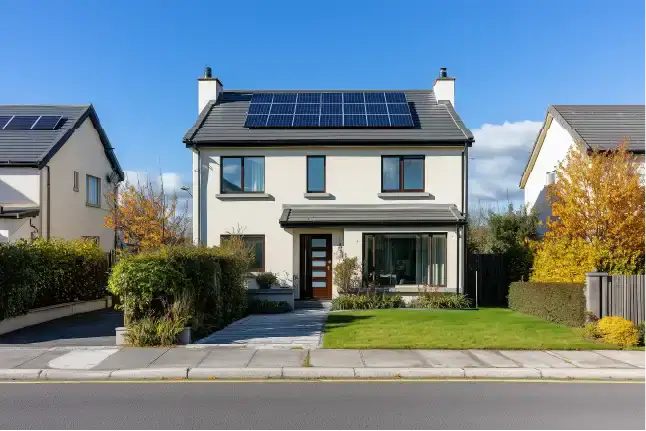
If you’re thinking about installing solar panels, one of the first questions you might have is whether you need planning permission. It’s a smart thing to check early, because the rules can depend on your roof type, where you live, and how your home looks from the street.
The good news is that most solar panel installations in Ireland are exempt from planning permission, meaning homeowners can often install solar without making a formal application. You do not need planning permission to install solar panels to the roof of your property. You can also install freestanding solar panels as long as you meet certain conditions.
At Activ8 Solar Energies, we’re Ireland’s solar experts celebrating our 20th year in business with over 25,000 installations on the island of Ireland, and we regularly help homeowners understand what to expect before installation day.
In most cases, no—planning permission is not required because solar panels may fall under exempted development.
That said, exemptions come with conditions. The easiest approach is:
“Exempted development” means you can carry out certain home improvements without applying for planning permission—so long as you stay within the rules.
Solar panels are commonly included in exemptions, but the details vary depending on:
Even if solar is often exempt, there are situations where you may need to check more carefully.
If your property is a protected structure, different rules can apply. Installing solar panels may require planning approval due to conservation requirements.
If your home is located in an Architectural Conservation Area, exemptions may not apply—or may have stricter conditions.
Panels placed on highly visible roof sections (especially on the front of the property) may be more likely to raise planning concerns depending on the local authority and location.
A garden or ground-mounted solar setup can sometimes require additional checks, depending on:
Most residential solar PV systems in Ireland are installed on the roof because it:
A standard domestic solar PV system is designed to fit neatly to the roofline using secure mounting hardware.
Flat roof solar systems often use angled mounting frames to optimise generation.
This can raise slightly different considerations compared to panels that sit flush on a pitched roof, including:
A good installer will design the system to be safe, stable, and visually appropriate.
Planning permission is only one part of the picture.
Even when planning permission is not required, your solar installation must still be:
This matters hugely in Irish conditions where wind, rain, and roof integrity are key considerations.
If you’re unsure, the safest approach is to:
It’s far easier to confirm early than to deal with planning questions later.
If you’re asked to provide details (for example, when checking exemption status), you may need:
In most standard cases, no—your ability to apply for the SEAI Solar PV grant usually depends more on:
However, if you need planning permission and haven’t secured it, you should resolve that before installation.
Many homeowners want quick reassurance around practical issues like:
These are all normal concerns—and they can usually be answered quickly once your roof layout and property type are reviewed.
Before installing solar panels, it’s worth confirming:
Once these are confirmed, most homeowners can proceed confidently.
Planning permission sounds daunting, but for many homeowners, solar PV is a straightforward upgrade.
At Activ8 Solar Energies, we’re Ireland’s solar experts celebrating our 20th year in business with over 25,000 installations on the island of Ireland, and our team can guide you through the steps, assess your roof, and help you understand what applies to your home.
Contact Activ8 Solar Energies today to get expert advice and a tailored solar quote.
In most cases, no. Solar panels are often considered exempted development, but exemptions come with conditions.
You may need permission if your home is a protected structure, located in an Architectural Conservation Area (ACA), or if the installation falls outside exemption limits.
Yes, roof-mounted solar panels are the most common domestic installation and are often exempt once they meet standard conditions.
Sometimes. It depends on the size, placement, and visual impact. A quick check with your installer is recommended.
If you’re uncertain—especially with protected buildings or conservation areas—it’s a good idea to confirm early.
Usually not, but if planning permission is required for your property, it should be addressed before installation.
January 28, 2026

In 2025, 33,048 residential solar PV systems were installed across Ireland, up from 28,423 in 2024. That’s an increase of over 16% year on year, confirming that solar energy is becoming a mainstream choice for Irish homeowners.
Rising electricity costs, greater awareness of government supports, and growing confidence in solar performance in Irish weather are all contributing to this sustained growth.
The table below show how solar panel installations were distributed by county in 2025, highlighting where adoption is strongest.
| County | Solar Panel Installations (2025) |
|---|---|
| Solar Panels Dublin | 6,326 |
| Solar Panels Cork | 4,324 |
| Solar Panels Galway | 2,035 |
| Solar Panels Limerick | 1,888 |
| Solar Panels Kildare | 1,851 |
| Solar Panels Meath | 1,619 |
| Solar Panels Tipperary | 1,365 |
| Solar Panels Clare | 1,229 |
| Solar Panels Wexford | 1,229 |
| Solar Panels Kerry | 1,189 |
| Solar Panels Mayo | 1,089 |
| Solar Panels Waterford | 1,021 |
| Solar Panels Wicklow | 1,013 |
| Solar Panels Louth | 884 |
| Solar Panels Donegal | 792 |
| Solar Panels Kilkenny | 773 |
| Solar Panels Westmeath | 623 |
| Solar Panels Sligo | 622 |
| Solar Panels Offaly | 588 |
| Solar Panels Laois | 574 |
| Solar Panels Roscommon | 455 |
| Solar Panels Cavan | 413 |
| Solar Panels Carlow | 372 |
| Solar Panels Monaghan | 320 |
| Solar Panels Longford | 232 |
| Solar Panels Leitrim | 222 |
When compared with 2024 figures, the 2025 data shows that the majority of counties – 85% – recorded an increase in solar panel installations. Growth was not limited to major cities or commuter belts — uptake rose across a broad mix of urban, rural and coastal counties.
While counties such as Dublin and Cork continue to account for the highest overall volumes, strong growth was also evident across Munster, Connacht and parts of the Midlands. Even counties with more modest population sizes are now seeing consistent year-on-year adoption.
Overall, the figures underline a clear national trend: solar energy is no longer a niche or region-specific choice — it’s becoming mainstream across Ireland.
Several factors are driving this continued rise in solar installations:
Together, these factors are helping solar move from “nice to have” to a practical long-term investment for many Irish homes.
If solar panels are being widely installed in your county, it’s a strong indicator that they can work effectively on similar homes nearby. With around 85% of Irish counties seeing year-on-year growth in solar panel installations in 2025, it’s clear that more homeowners than ever are choosing to generate their own electricity. If you’re considering solar, you wouldn’t be alone — thousands of households across Ireland will become part of the solar boom this year.
At Activ8 Solar Energies, we’ve completed over 25,000 installations across Ireland and are celebrating 20 years in business. Our systems are designed for Irish conditions and installed by our own experienced teams, with most home installations completed in a single day.
If you’re curious about what solar could do for your home, now may be the right time to explore your options.
January 28, 2026

Heat pumps have become one of the most popular home energy upgrades in Ireland — offering cleaner heating, lower carbon emissions, and a more future-proof alternative to oil and gas boilers.
Now, there’s growing attention on mooted plans to increase retrofit grant support, including reports that heat pump subsidies could rise to cover up to 80% of eligible costs.
If those changes are confirmed, it could make switching to a heat pump significantly more affordable for Irish households — particularly when combined with other upgrades like insulation and solar PV.
At Activ8 Energies, we help homeowners upgrade their homes through our SEAI One Stop Shop service, managing the full journey from initial assessment through to grant paperwork and project delivery.
While the final details are still pending confirmation, recent reports suggest that retrofit grant supports are expected to increase — with one proposal indicating:
At present, the SEAI Heat Pump Systems Grant offers support of up to €6,500 for homeowners installing a heat pump system.
If the proposed increase goes ahead (up to €9,600), that would be an increase of up to €3,100 per home compared to today’s maximum grant level.
Ireland’s retrofit strategy has increasingly focused on improving home efficiency and reducing fossil fuel dependence. Heat pumps are a major part of that because they:
Heat pumps are most effective when installed as part of a planned energy upgrade — not as a simple “boiler swap”.
A heat pump doesn’t generate heat in the traditional way — it moves heat from outside air into your home.
A heat pump retrofit typically involves:
This is why the grant conversation matters: the best results come from doing the retrofit properly, not rushing the install.
Even with higher grants, one challenge remains: Retrofits can feel complicated.
Homeowners often worry about:
That’s where Activ8’s One Stop Shop service helps.
Activ8 Energies provides an SEAI One Stop Shop service, meaning we can manage your home energy upgrade process from start to finish.
This can include:
If you’re considering a heat pump and want to avoid juggling multiple installers, the One Stop Shop approach is designed to remove that stress.
This depends on your home and timing — but for many homeowners, it’s worth starting the assessment stage now, because:
The key is not just securing more grant funding — it’s ensuring you end up with a heat pump system that performs efficiently for years.
To get the best performance (and comfort), heat pumps often work best when paired with:
A One Stop Shop approach makes it easier to plan these upgrades together instead of doing them in bits and pieces.
There have been reports of proposed increased retrofit grants, including discussion of up to 80% subsidy support for heat pumps.
At present, the SEAI heat pump grant is up to €6,500 depending on your home and the system.
Some reports suggest support could rise to up to €9,600 in eligible cases, depending on final rules and eligibility.
In most cases, yes. Heat pumps work best in well-insulated homes with improved energy efficiency.
A One Stop Shop is a managed retrofit service that helps homeowners plan upgrades, coordinate works, and handle grant paperwork.
Yes — Activ8 Energies supports homeowners through the One Stop Shop route, helping manage the process from assessment through to completion.
If heat pump grants increase as expected, it could make a full home retrofit far more affordable for Irish households — but it’s still important to get the upgrade designed properly.
Activ8 Energies can help you plan the right retrofit pathway through our One Stop Shop service, ensuring your home is heat pump-ready and your upgrade journey is properly managed.
Contact Activ8 Energies to start your retrofit assessment and explore your options.
January 28, 2026